
TOP NEWS AFFECTING THE STOCK MARKET THIS WEEK:
The Fed Just Hiked Rates For The First Time In Years: What This Means For Stocks Over The Next 3 Months... (Source)
Stocks Mentioned: $VIAV, $RKLB, $LRCX
Let me start with the basics because if I don't, you'll end up being very confused. First, what is an "interest rate"? To keep it simple, an interest rate is just the cost of borrowing money. When rates are low, borrowing is cheap, so companies take out loans to build, hire, and grow, and regular people spend more freely. When rates are high, borrowing gets expensive, wallets tighten, and the whole economy downshifts. So for example, if rates are 0% then that means you don't have to pay anything to borrow money. That would sound great to almost anybody. I'm sure you can imagine how many loans people would take out and how much money they would be spending if they could borrow money from the banks for free. The opposite is also true. Imagine if interest rates were 50% (this is exaggeration) and what that would mean for the economy. People struggle when they have to pay interest of 5%, let alone 50%. So as you can imagine, this is why lower rates tend to be more favorable to the markets, while higher rates, tend to be less favorable. Hopefully this makes sense. Now, this matters enormously for the stock market, because stocks are basically bets on future company growth. When rates drop, that future gets cheaper to finance and stocks tend to rip higher. When rates rise, that future gets more expensive and stocks, especially fast-growing "growth stocks" that live and die on borrowing to expand, tend to get hit the hardest. That is the entire reason the financial world holds its breath every time the rates gets changed.
So who changes the interest rates? A group inside the Federal Reserve called the Federal Open Market Committee, or FOMC. This group is made up of 12 people with one in particular that leads the group. We refer to that person as the "Chair". The current Chair is Kevin Warsh and 8 times a year, him and the other FOMC members meet and decide whether to hike rates, cut them, or leave them alone. These decisions move markets by the billions and this past week was no different. On September 16, the committee voted unanimously to raise its key interest rate by a quarter percentage point, or 25 basis points, bringing the target range to 3.75-4%. What makes this notable is that it was the first interest rate hike since July 2023. After sitting on their hands all year, the Fed finally decided to make a move.
Here's where history usually tells a grim story, and I want to be straight about that. Rate hikes have historically been rough on stocks, and roughest of all on growth names. When money gets more costly, those far-off profits are worth less today, and investors sell. If you looked only at the textbook, you'd expect this hike to be a headwind (bad for stocks). But this time carries a genuinely unusual mix of signals, and ignoring that would be lazy. Here's a few reasons why it may not be as "gloom" as some may make it seem:
First of all, a lot of the pain from the Iran war and a higher rate environment is arguably already baked into prices. Growth stocks have been selling off for quite some time leading up to this rate decision as the markets were pricing in the high possibility of getting an increase in rates. Many high-risk, high-reward names have dropped anywhere from 30-60% from their highs, mainly in tech and tech-adjacent sectors. This repricing in these high-growth sectors have made the stocks within them look a lot more attractive valuation-wise. The risk-reward on these names after getting cut in half has priced in most of the downside potential, which would indicate to us that we are closer to the bottom than the top in this market. Some of those names include: Viavi (VIAV), Rocket Lab (RKLB), and Lam Research (LRCX).
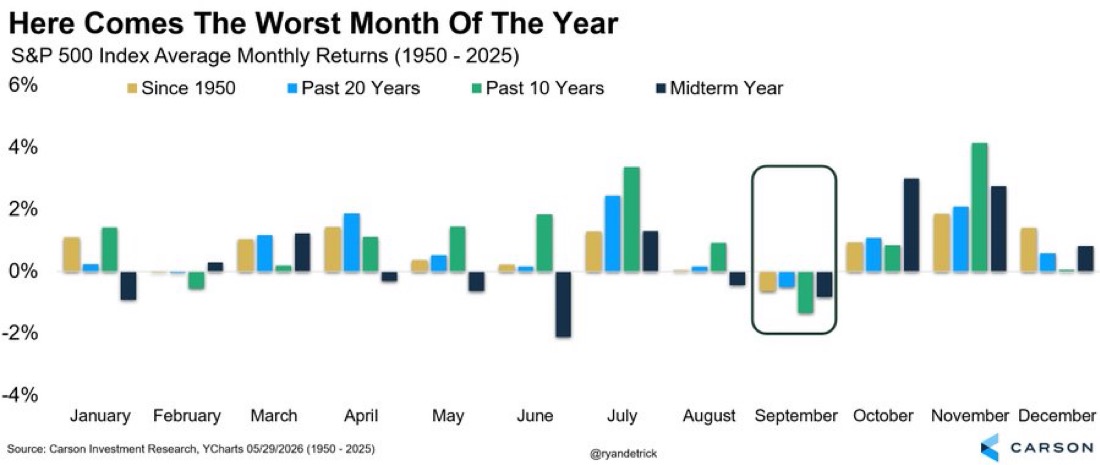
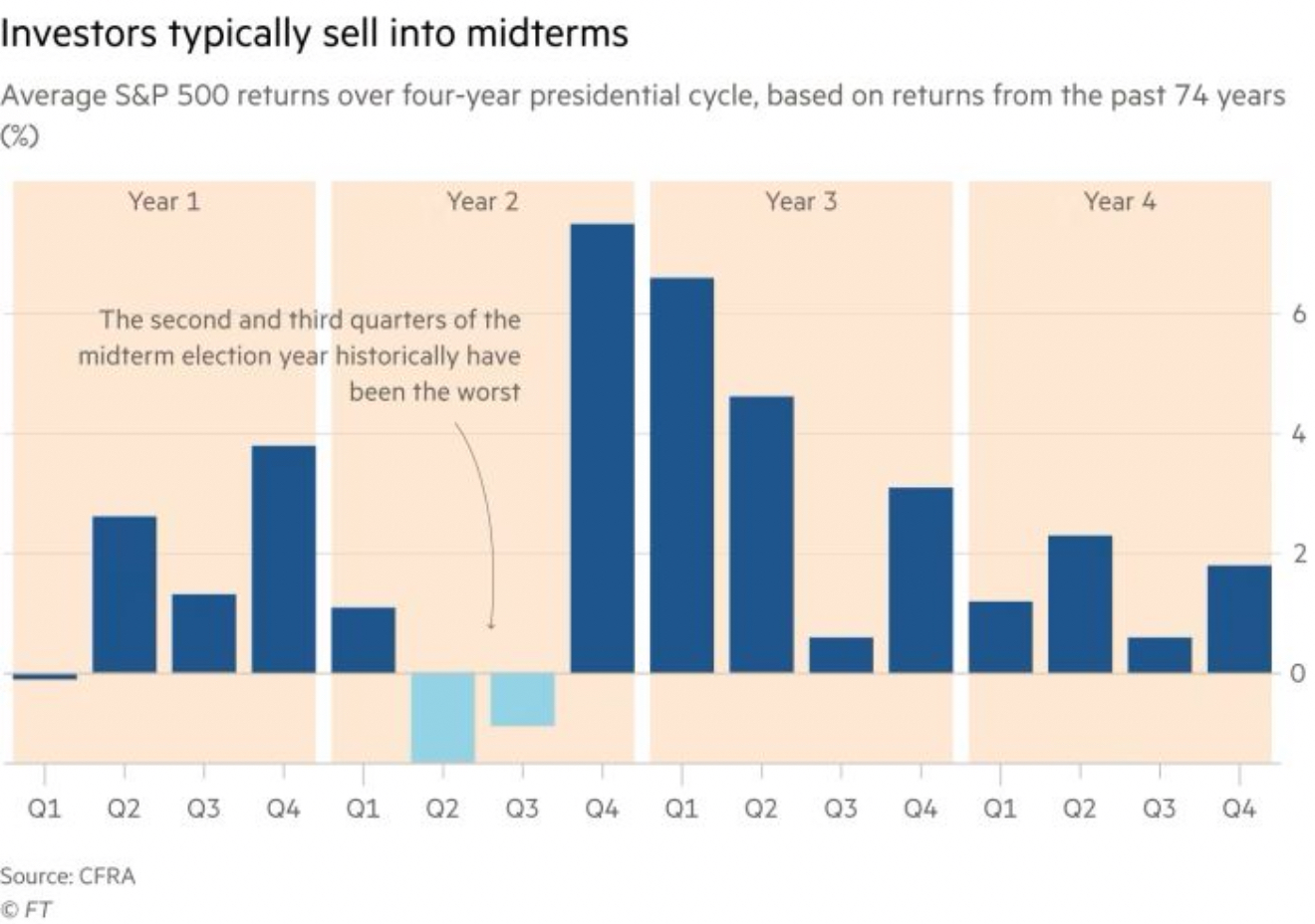
Second, seasonality data leans in an interesting direction. September is historically the market's weakest month, but the final stretch of the year, roughly November into year-end, tends to be one of the strongest. A market that has already sold off heading into a historically bullish window is a very different setup than a market riding high into a rate hike. This is another reason why stocks could see a rally despite the normally negative rate hike, as you can see below:
Finally, there are the potential catalysts to move the market higher, and this is where it gets interesting, though I'd caution against treating any of them as sure things. Biggest of all is the Iran war. Trump has publicly said the U.S. is "hopefully" nearing the end of the conflict, and any real resolution could pull oil prices down, cool the inflation that forced this hike in the first place, and remove a giant cloud hanging over the market, as can be seen below:
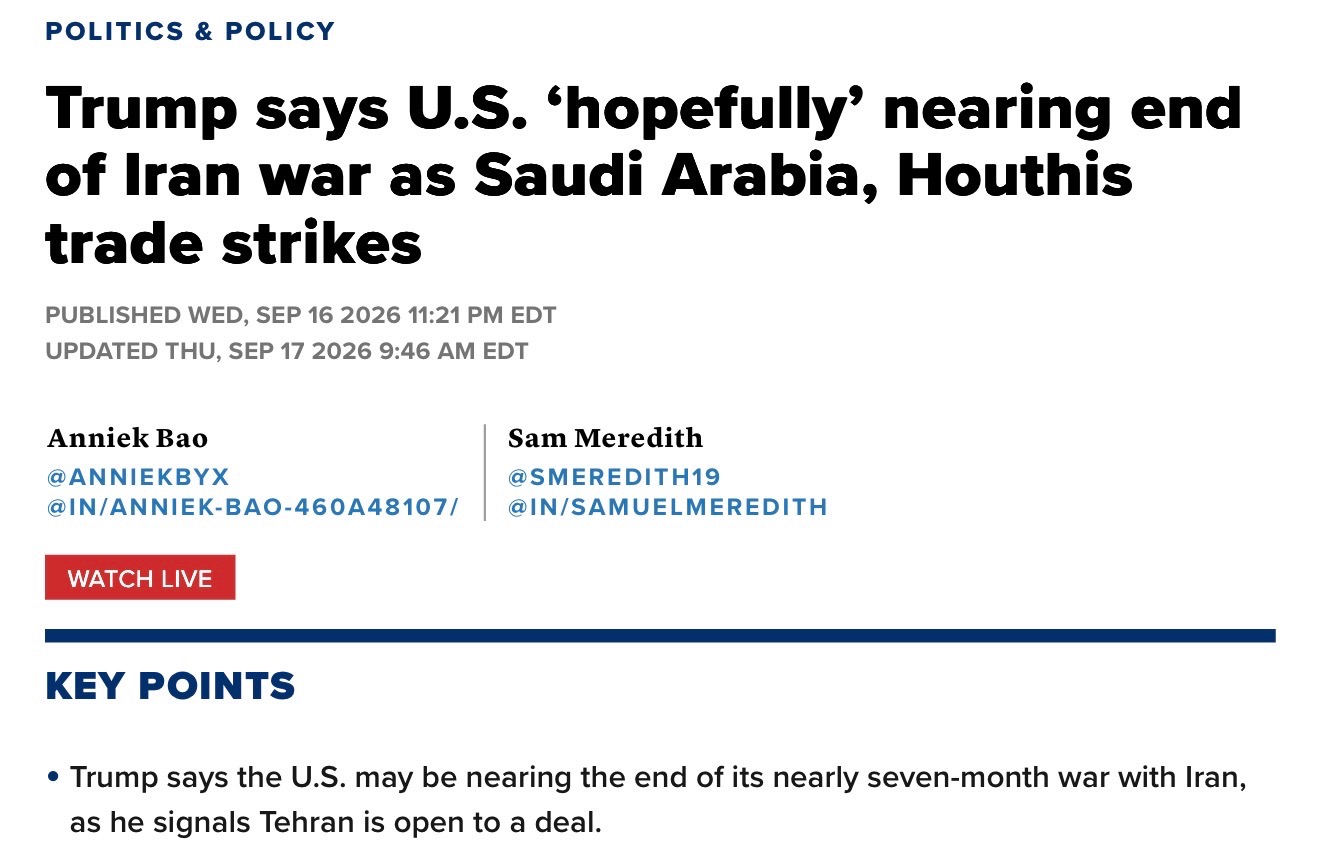
That said, the war is not actually over, fighting has flared repeatedly, and some analysts warn it may continue for a long time if talks stall, so this catalyst is a maybe, not a lock. The other potential catalyst is that we may be seeing "the light" at the end of the rate-hiking tunnel. The market is currently pricing in only 2 additional hikes: one for this year (my guess is December after the mid-term elections) and the second one for next year, as can be seen below:
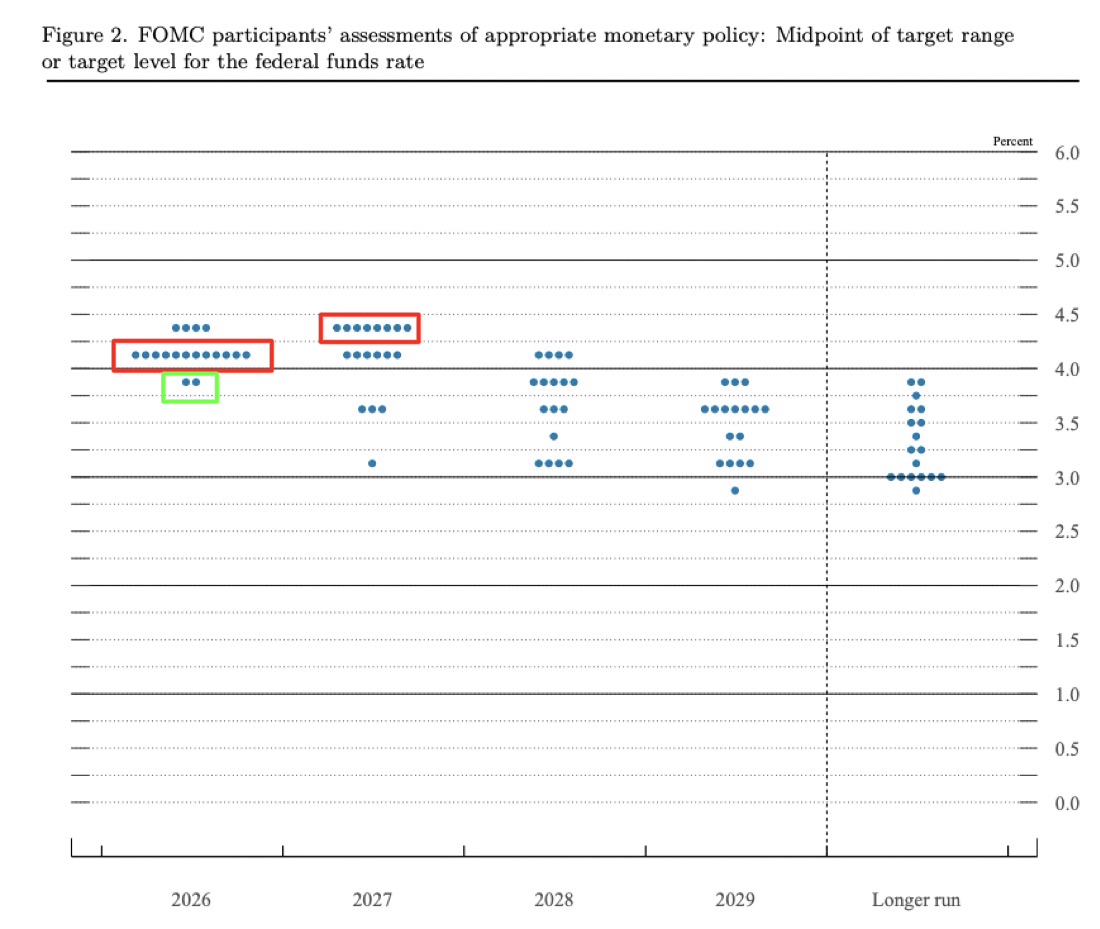
Markets are forward-looking machines, so if that's truly all there is, stocks could rally in anticipation of the hikes ending, well before they actually stop. BUT... if that outlook worsens and expectations jump from a couple of hikes to four, five, or six, then stocks would almost certainly sell off hard on that news, because the finish line just got moved way back. Finally, and this is the one people underestimate, this is a midterm election year as I've mentioned, with the midterms landing November 3, 2026. Sitting presidents historically have a strong incentive to see the market climb into an election, because a green stock market tends to help their party at the polls, which means there's political motivation working in favor of a higher stock market even in a hiking environment. None of these guarantees anything, but stacked together they complicate the simple "hikes are bad" narrative.
So where does that leave us? Rates are a major variable for the direction of the market and the FOMC just decided to make their first move in years this past week by increasing rates to the 3.75-4% range. History says hikes hurt stocks and hurt growth names most, and that remains the base case worth respecting. But this cycle is layered with wildcards: a market that's already sold off into a historically bullish season, a possible off-ramp to the Iran war, a rate path that currently shows only modest further tightening (which could let stocks rally early), and a midterm-year incentive for the market to grind higher. The honest read is that the bearish gravity of rate hikes is real, but so are the bullish counterweights, and the tug-of-war between "only a couple more hikes" and "oh no, it's actually many more" is probably the single biggest swing factor from here. I'm watching how those forces resolve, not betting the farm on either script.
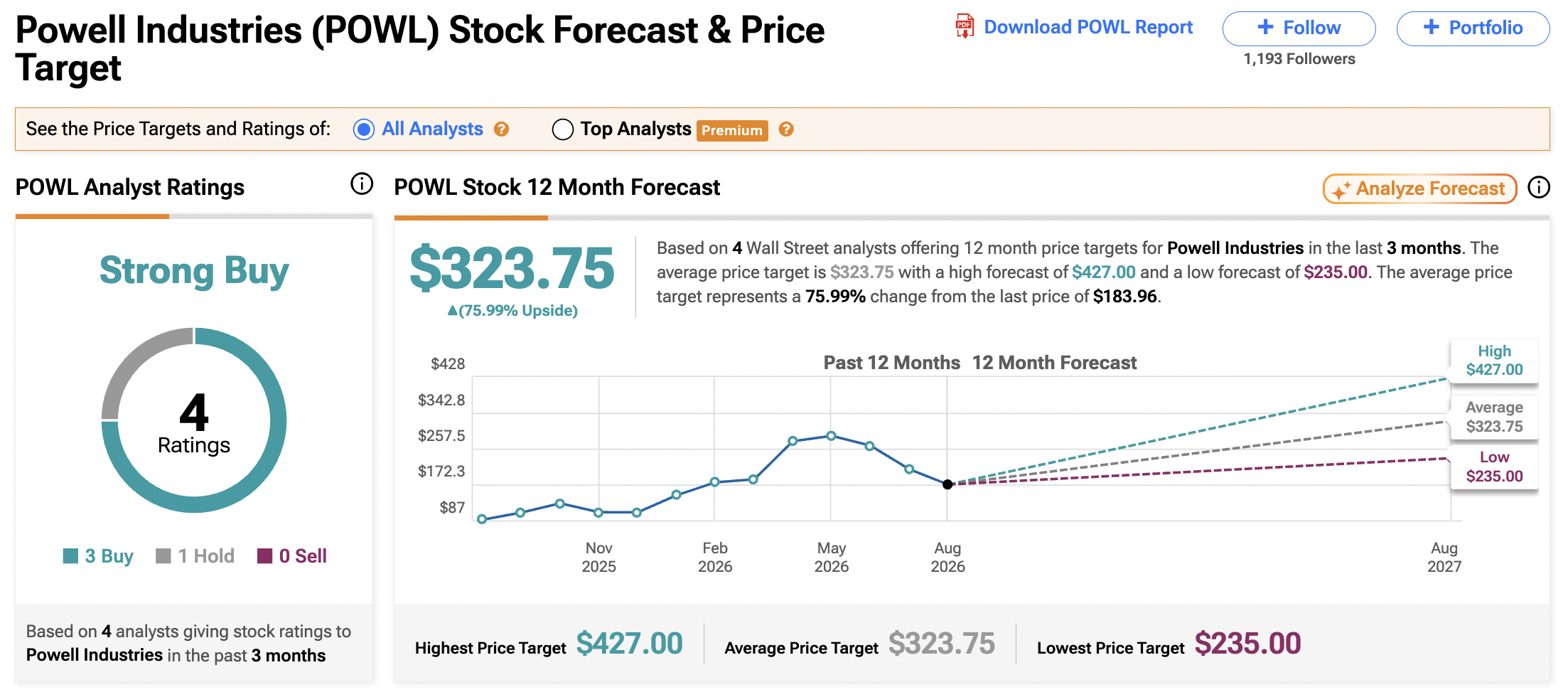
Stock Spotlight: Powell Industries (POWL) (Source)
Stocks Mentioned: $POWL
We're back with another stock spotlight and staying on a theme we've been circling for a while now: the picks-and-shovels companies quietly powering the AI boom from behind the scenes. This week the name on our radar is Powell Industries, and it's an interesting one because of what it doesn't do. Powell doesn't generate electricity like a solar farm or a wind turbine, and it doesn't bill you for power like your local utility. Instead, it builds the heavy-duty "traffic cops" and "surge protectors" that safely manage enormous amounts of electricity inside giant industrial facilities. Think about the little metal breaker box in your garage: plug in a toaster, a microwave, and a hair dryer at once and the breaker trips so your house doesn't catch fire. Now scale that up by a million, to an AI data center or an oil refinery that eats as much power as an entire city. A household breaker would vaporize. Those facilities need massive, room-sized electrical equipment to route and control that power safely, and that is exactly what Powell makes.
Their two headline products are worth understanding because they explain the whole business. The first is "switchgear," which is just large, heavily armored metal cabinets packed with industrial-grade switches and circuit breakers that direct electricity and shut off faults before they cause damage. The second, and the more clever one, is the Integrated Power Control Room, or PCR. Instead of shipping loose parts to a job site, Powell builds an entire weather-proof room inside its own Houston factories, packs it with all the electrical gear, tests the whole thing, and then ships the finished "room" straight to the customer. It's the difference between mailing someone a pile of furniture parts versus delivering a fully assembled, inspected room ready to plug in. That factory-built, plug-and-play approach saves customers a huge amount of on-site labor and time, which matters a lot when a project is running on a tight schedule.
What makes us interested in Powell is that it sits at the intersection of three big trends all pulling in the same direction. The first is the AI and data center boom: AI chips require an astronomical amount of power, and tech giants racing to build data centers keep hitting what people call the "power bottleneck," because you can't just plug a supercomputer grid into the street. Powell's custom equipment is the gateway that safely feeds energy into those server farms, and the demand is showing up in the orders (more on that in a second). The second trend is grid modernization: the U.S. electrical grid is aging, and the shift toward electric vehicles, heat pumps, and renewable energy is piling more stress onto it, so utilities are spending billions upgrading substations, which are the facilities that step power up or down as it moves across the grid. The third is the boom in U.S. manufacturing and liquefied natural gas (LNG) export terminals, all of which need ultra-reliable electrical infrastructure to avoid costly shutdowns.
Then there's the "moat," which is investor shorthand for a durable advantage that keeps competitors from easily copying a business, like the water around a castle. Powell's comes down to trust in situations where failure is catastrophic. Its equipment isn't cheap, off-the-shelf gear anyone can order online; every piece is custom-engineered for a specific mega-project, which takes decades of engineering expertise to do well. And because a single equipment failure at a data center or refinery can cost the operator millions of dollars per hour, customers don't gamble on unproven, cheaper rivals. That reluctance to switch away from a trusted supplier is what's called a "high switching cost," and it's a powerful thing to have working in your favor. The clean-room factory advantage we mentioned earlier reinforces all of it. Powell also tends to get pulled into projects early by the big engineering-and-construction firms that plan these multibillion-dollar facilities, so it's often designing the electrical heart of a project before rivals even get a look.
Where the story really comes together is the "backlog," which is simply the running list of orders customers have signed and committed to pay for but that Powell hasn't built yet. It's one of the cleanest windows into a company's future revenue. In its most recent quarter (reported in August 2026), Powell posted a record backlog of $2.4 billion, up nearly a billion dollars from a year earlier, on the back of a record $934 million in new orders in that quarter alone. That includes a landmark data center contract worth more than $400 million, the single largest order in company history. On top of that, the balance sheet is pristine: zero debt and over $600 million in cash, which means that in a world where high interest rates make borrowing expensive, Powell is funding its own factory expansions without leaning on the bank. We're not fans of the electricity suppliers and utilities themselves, but we are drawn to the industrials building the equipment that harnesses all this power demand and makes it efficient, and Powell keeps landing right in the middle of it.
"Super Investor" Spotlight: Chuck Akre (Source)
Stocks Mentioned: $MA, $MCO, $BN, $KKR, $FICO, $ROP, $V, $CSGP, $CPRT, $ORLY, $ABNB, $CCC, $CRM, $AMT, $BRK.B, $NOW, $GSHD, $SOPH, $PRMd
Most people in the investing world know Chuck Akre as one of the great long-term investors, the founder of Akre Capital Management and the man behind what he famously called his "three-legged stool" approach to picking stocks. Like every major institutional player, Akre Capital is required to disclose its public holdings every quarter through a 13F filing. As a sidenote for newer readers, a "Super Investor" is just our term for a major institutional player, think massive corporations, elite hedge funds, or billionaire-run funds, whose quarterly stock disclosures give the rest of us a rare window into where the world's smartest capital is flowing. Akre sits firmly in that group, and his filing is one I always look forward to because it represents one of the purest expressions of quality-focused, buy-and-hold investing you'll find anywhere.
Akre's reputation is built on patience and an obsession with business quality. His whole philosophy centers on finding exceptional companies, run by exceptional people, that can reinvest their profits at high rates of return for years on end, and then simply holding them. That approach shows up loud and clear in this portfolio. It's a concentrated book of high-margin, capital-light compounders, the kind of businesses that throw off enormous cash and can keep growing without needing to plow money back into factories or heavy assets. What jumps out immediately is how dominated the top of the book is by financial data, ratings, and payment network businesses, which have long been some of Akre's most beloved names.
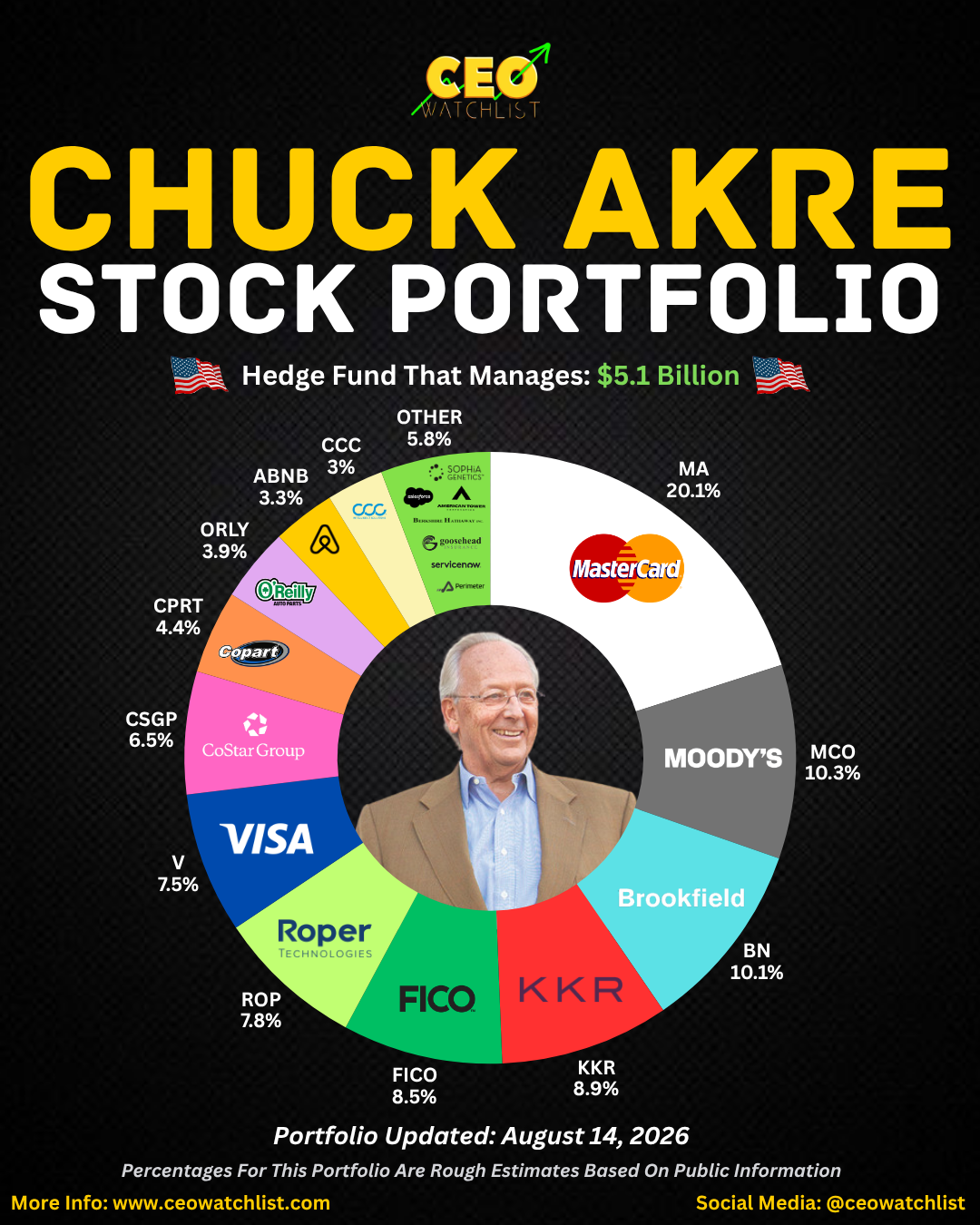
Here's a full breakdown of every stock in Chuck Akre's public stock portfolio:
- Mastercard (MA) – 20.1%
- Moody's (MCO) – 10.3%
- Brookfield (BN) – 10.1%
- KKR (KKR) – 8.9%
- Fair Isaac (FICO) – 8.5%
- Roper Technologies (ROP) – 7.8%
- Visa (V) – 7.5%
- CoStar Group (CSGP) – 6.5%
- Copart (CPRT) – 4.4%
- O'Reilly Automotive (ORLY) – 3.9%
- Airbnb (ABNB) – 3.3%
- CCC Intelligent Solutions (CCC) – 3%
- Other (CRM, AMT, BRK.B, NOW, GSHD, SOPH, PRM) – 5.8%
The theme running through this portfolio is the toll-booth business model, and it's a masterclass in Akre's philosophy. Mastercard and Visa sit at the top as the classic payment network compounders, businesses that take a tiny cut of an enormous and growing volume of transactions without carrying much cost to do it. Right alongside them are Moody's and Fair Isaac, two companies that effectively own their corners of the credit ratings and credit scoring world. These are the kinds of wide-moat, pricing-power businesses that Akre has held for years, and the concentration here shows just how much conviction he has in them.
The rest of the book fills out the same quality-compounder mold. Brookfield and KKR give him exposure to the alternative asset management boom, Roper Technologies and CoStar Group represent his love of sticky software and data businesses, and names like Copart and O'Reilly are classic under-the-radar compounders with dominant positions in their niches. We will continue to monitor Chuck Akre's portfolio, as well as dozens of other hedge funds and politicians and will continue to report on them every week to you all with updates on any new stock buys they make.
INSIDER STOCK TRADES FROM THE WEEK:
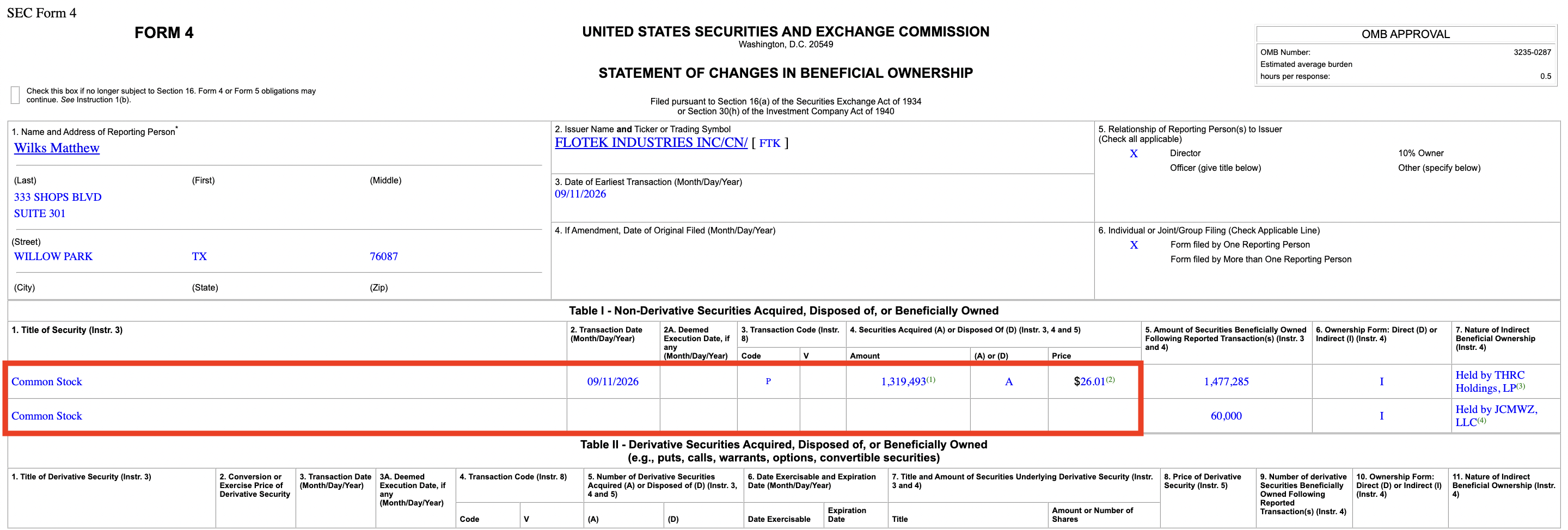
1. Flotek Industries (FTK) - Matthew Wilks (Director) bought over $34,300,000 of FTK at an average price of $26.01/share on September 11, 2026, but it wasn't reported to the public until September 15, 2026. (Source)
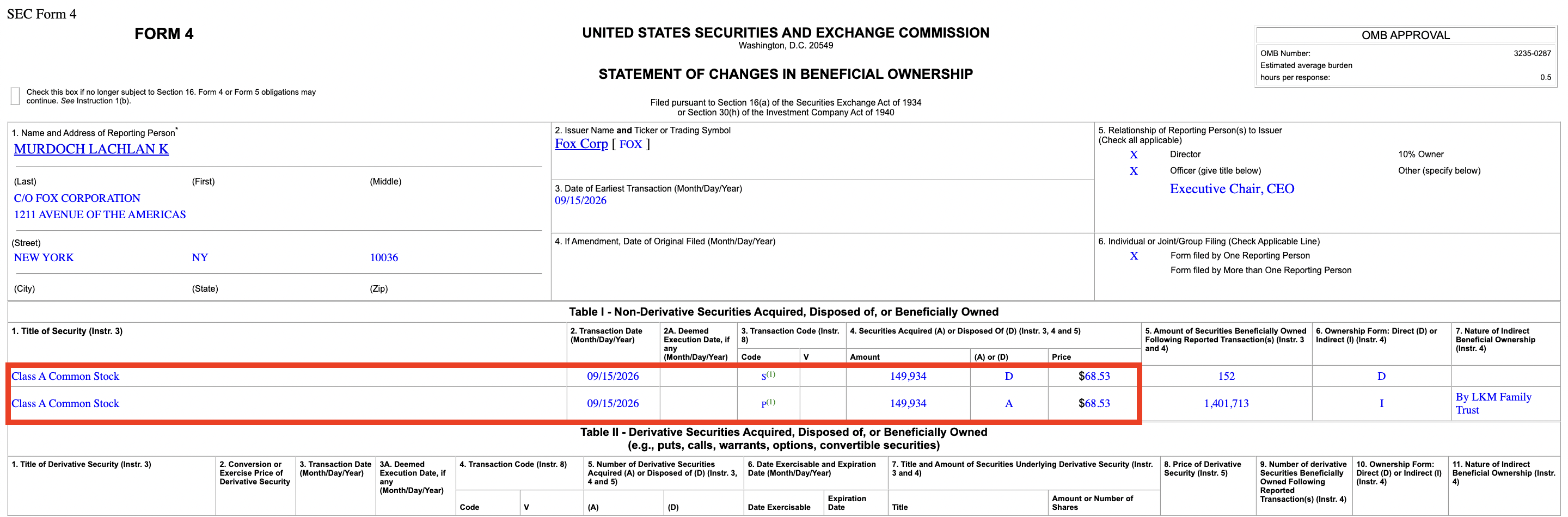
2. Fox Corp (FOX) - Lachlan Murdoch (CEO) bought over $10,200,000 worth of FOX at an average price of $68.53/share on September 15, 2026, but it wasn't reported to the public until September 16, 2026. (Source)
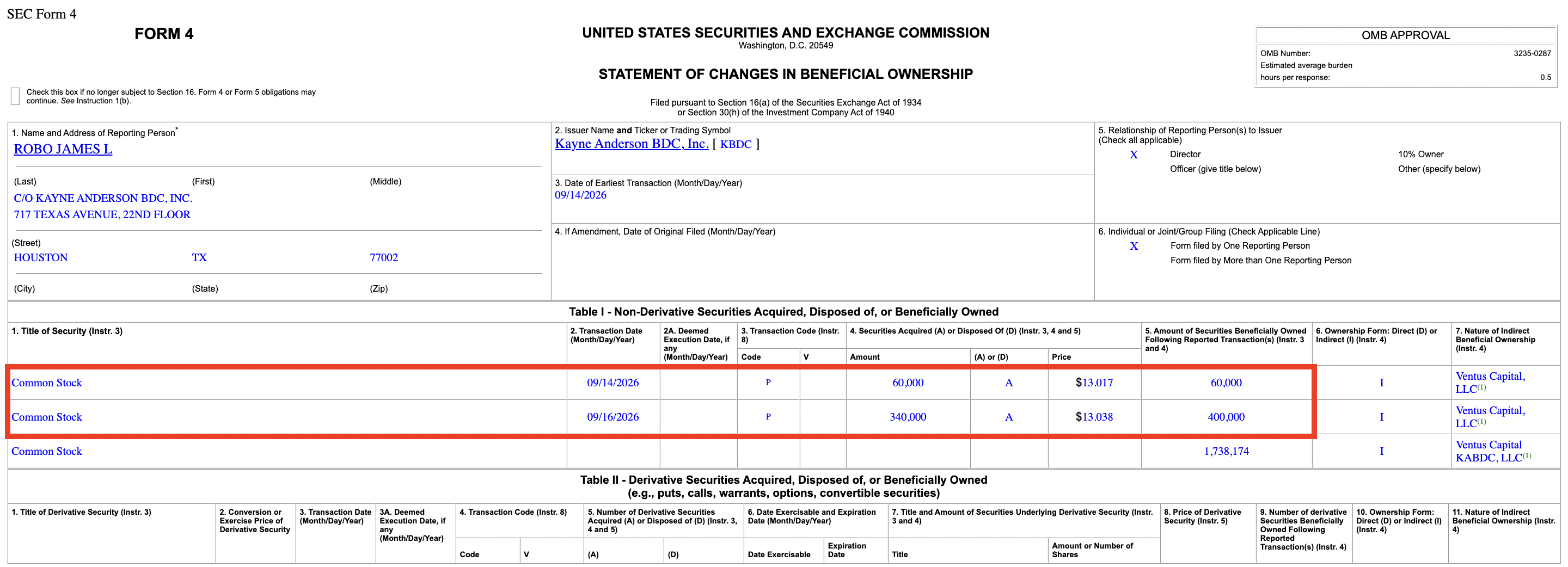
3. Kayne Anderson (KBDC) - James Robo (Director) bought over $5,200,000 of KBDC at an average price of $13.03/share on September 14, 2026, but it wasn't reported to the public until September 16, 2026. (Source)
Over 2,000 people have already signed up for my FREE Masterclass video on how to unlock my exact strategies for finding winning stock/options trades! I'll share everything including how to find what Politicians and CEOs are buying. Don’t miss your chance to get in for FREE before spots fill up!

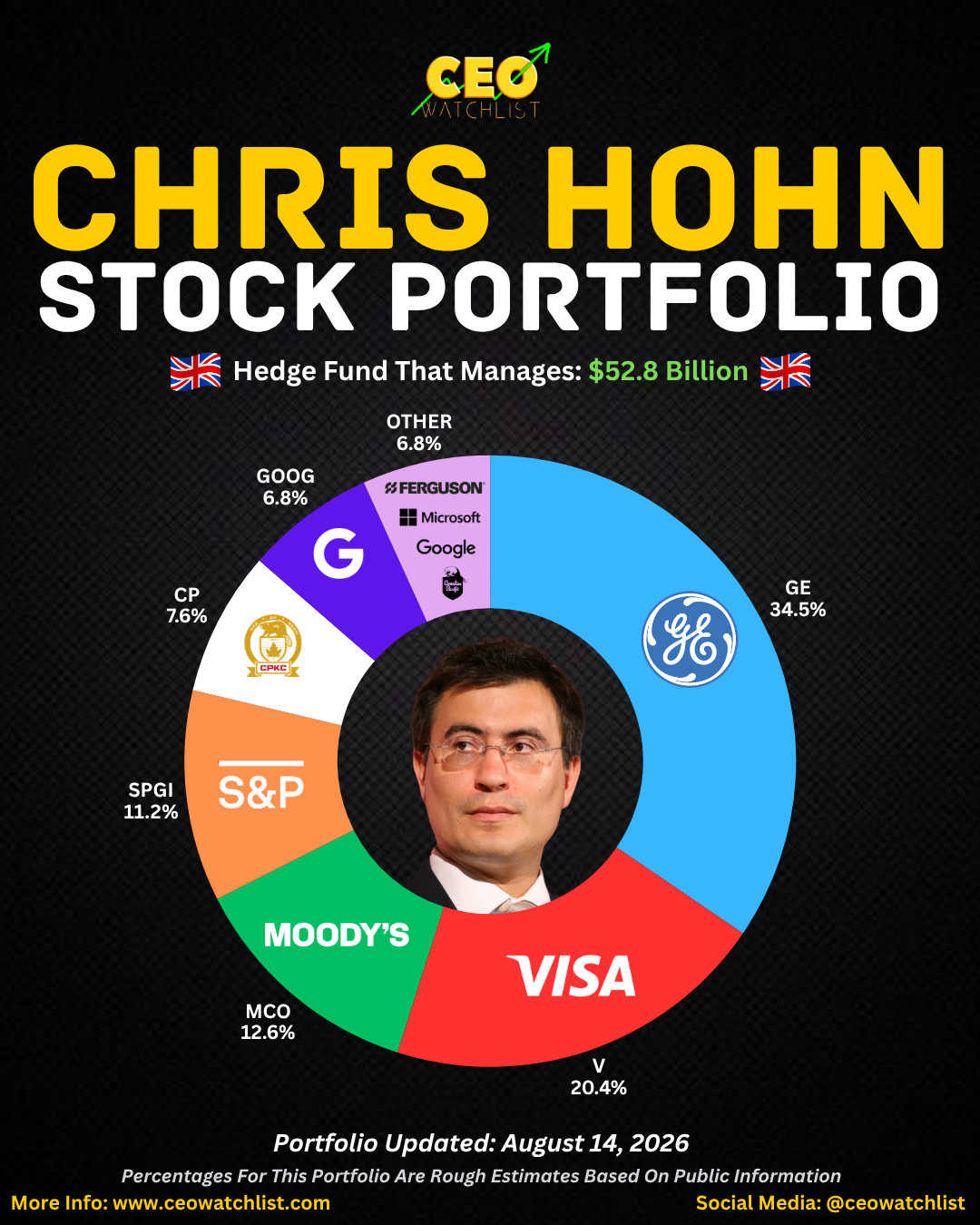
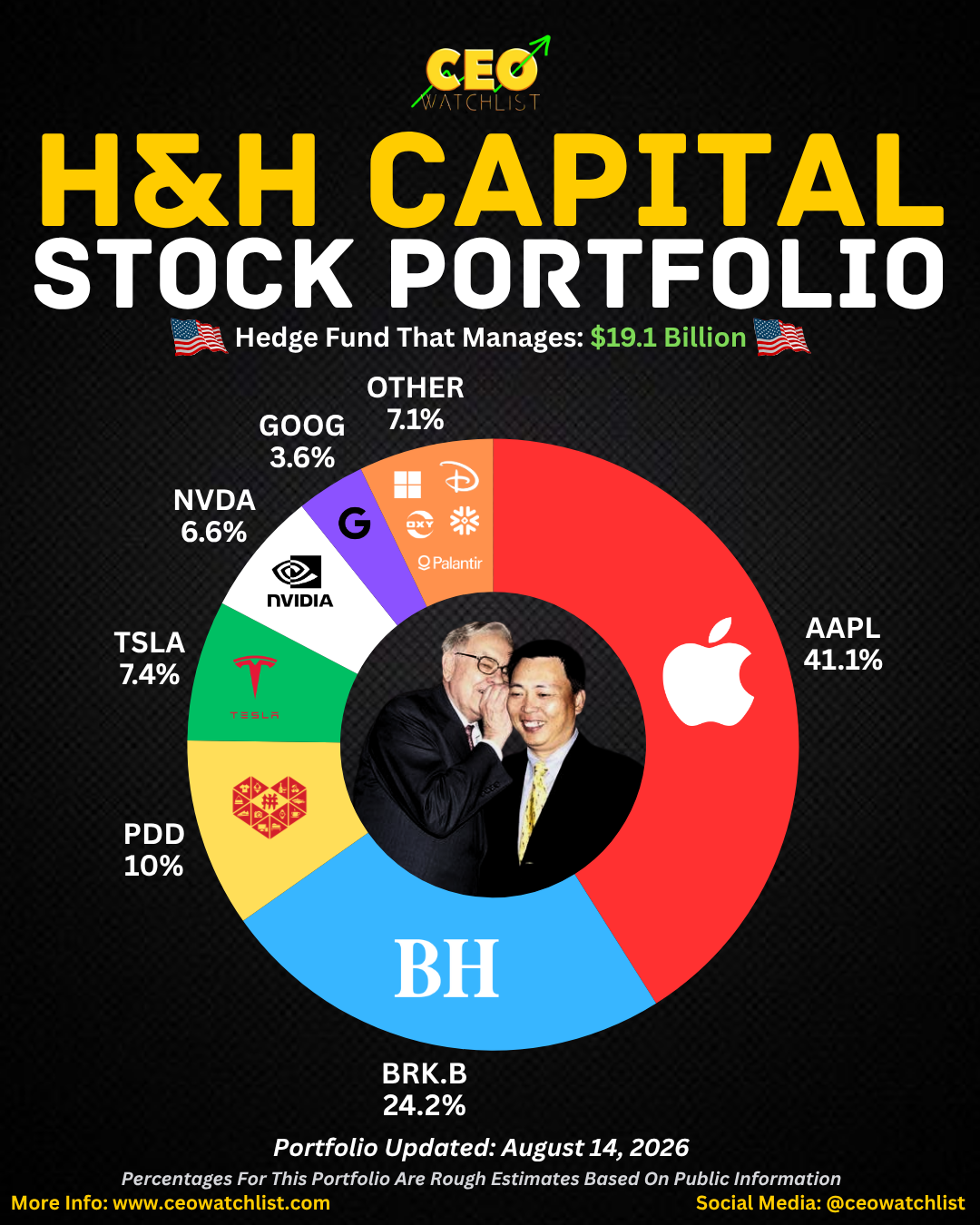
INFOGRAPHICS FOR THE WEEK:

CONTACT US: [email protected]
Responses