

TOP NEWS AFFECTING THE STOCK MARKET THIS WEEK:
This Stock Just Cured Cancer?! The Whole Story and 3 Stocks We Are Buying Right Now... (Source)
Stocks mentioned: $MRNA, $MRK, $TEM, $PSNL, $VHT, $IBB, $ARKG, $GNOM
This past Wednesday, Moderna (MRNA) did something stocks almost never do. It closed up 177% in a single session, the best day in the company's history, and briefly became the second-best performer in the entire S&P 500 for the year. The reason was a scientific milestone people have been chasing for a decade... a cure for cancer! Moderna and its partner Merck (MRK) announced that their personalized mRNA cancer vaccine, called intismeran, passed a late-stage Phase 3 trials in melanomas, a deadly skin cancer. But this doesn't come without some controversy. In recent years, there has been a growing debate surrounding vaccines with strong opinions on both sides. As an investor though, our goal is to make money in the market and selling a cure for cancer is a very strong marketing point. As they say, "everyone has been touched by cancer in one way or another", and not in a good way. If this is the first domino to fall in a much more widespread cure of all types of cancer, not just melanomas, then we could be on the brink of a substantial extension of life expectancy. Whether you're pro-vaccine, or anti-vaccine, this may just be the next largest growth opportunity in the stock market. So with that being said, let's dive into the companies that play a key role in this story and the stocks that we believe could make us a ton of money in our personal stock portfolios.
Let's start by breaking down the basics of what's happening here. mRNA is basically a set of instructions you feed the body. They used it to teach the immune system to recognize a patient's own cancerous tumor. And it's personalized, meaning each dose is custom-built for one person's specific cancer, like a mugshot handed to your immune system so it knows exactly who to hunt. Patients who got the vaccine alongside Merck's Keytruda saw their cancer come back far less often. It's the first time, in history, an mRNA cancer therapy has ever succeeded in a final-stage trial. But it wasn't just Moderna and Merck, the markets recognized the role Tempus (TEM) played in this story as well. Tempus is buying a company called Personalis (PSNL) for $1.5 billion, and Personalis makes the gene-sequencing technology used to figure out what each patient's custom vaccine should target. Tempus jumped 24% the same day, because Moderna's win suddenly made that acquisition look very smart.
Now zoom out, because the single day isn't the real story. For years we watched healthcare stocks lag the overall markets while technology took a front row seat and skyrocketed higher. But this just may be the catalyst healthcare needed to see a growth spurt over the coming years. We have seen how technology has been rapidly improving most recently thanks to AI, but now that the technology is being refined, we are starting to see it pop up in other sectors of the stock market, such as healthcare. What the Moderna news signals is that these advancements in technology can lead to breakthroughs not just in medicine, but in everything we rely on and do on a regular basis. The possibilities truly become endless. As I mentioned earlier, healthcare stocks have lagged the general market, making them relatively cheap. For example, the healthcare sector is sitting around 18x forward P/E, while the S&P500 is sitting around 22x, and the tech sector sitting around 27x. So the beauty of investing in healthcare stocks now is that they'd finally have a catalyst to move higher, while still being relatively cheap to the market. As growth investors, the other benefit for us by investing into some healthcare names, is that it can act as a hedge to our heavily weighted tech portfolios. If tech pulls back, a rising healthcare theme can cushion the blow. If the whole market keeps climbing, both ride together. And if tech eventually bottoms out, you've still got the option to rotate back into it. That's not a guarantee of winning, but it's a way to stop betting the entire outcome on a single horse (tech), especially when that horse has been struggling as of late.
Here are the 3 ways we're looking to play the healthcare trade/hedge:
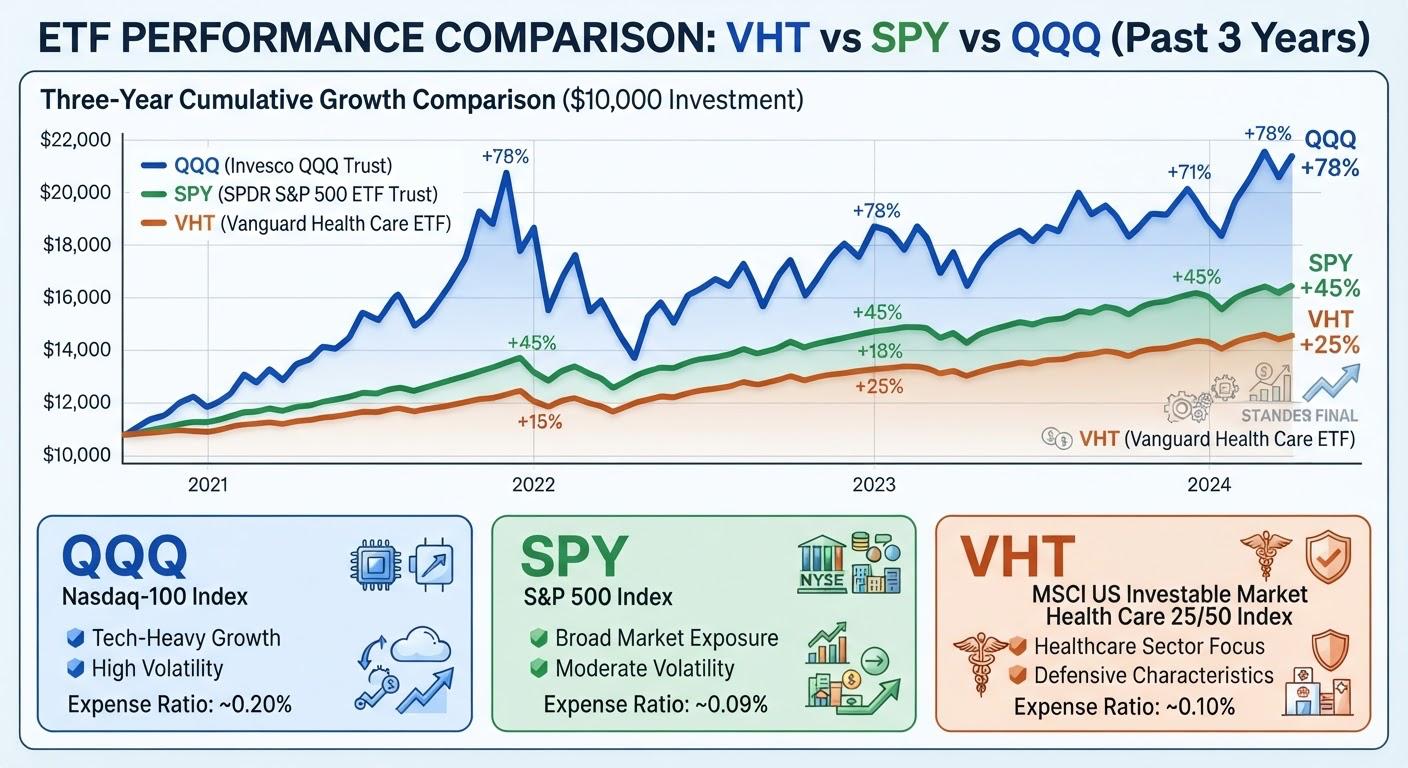
- Vanguard Health Care ETF (VHT) - This is an ETF, which is just a basket of stocks that holds many healthcare companies in a single ticker symbol. The reason why we're including an ETF instead of an individual stock is because the healthcare sector is very complicated to navigate, with hundreds of drug pipelines and drug trials that can easily fail and crash an individual stock's price. By owning a broad basket of these stocks, it diversifies us and limits our exposure to any individual name while still giving us the exposure we want in the sector. So this would be what we would consider the "safest" way for us to take this bet/hedge on healthcare.
- iShares Biotechnology ETF (IBB) - This is also an ETF, but one that is focused specifically on the drug makers doing the kind of research and development that was behind Moderna's breakthrough. It's on my list because the bigger theme is that biotech is improving as AI and better technology speed up the science, and that progression is just getting started. Instead of trying to guess which single company lands the next win, this gives concentrated exposure to the whole biotech corner of the market where these breakthroughs actually happen. Some other ETF's we have researched and like include ARKG and GNOM. We really like the stocks that are in these ETF's, but what we don't like are the higher expense ratios that we have to pay to own these over something like an VHT or IBB.
- Tempus AI (TEM) and Personalis (PSNL) - Now that we shared a couple ways we're considering playing the healthcare trade through ETF's, we did want to share a way we're playing this theme through individual stocks. We own roughly half a dozen other healthcare stocks that we think can take off from here, but one of the most obvious plays is Tempus, and by proxy, Personalis. These are the two names sitting right at the intersection of AI and medicine. Tempus uses AI to read genetic data, and Personalis (which Tempus is acquiring) makes the sequencing tech behind personalized cancer vaccines like Moderna's. They're the direct expression of the "technology is entering healthcare" idea rather than a bet on any single drug.
Put it all together and the picture is pretty clear. A life-long dream in cancer treatment just cleared its hardest test, and it did so on the back of advancements in mRNA and AI-driven genomics. Healthcare has been cheap and overlooked for years, which is precisely why a genuine growth catalyst could matter so much here. Now this doesn't take away from the high risk nature of buying individual healthcare stocks, but the risk/reward does look a lot more attractive after this breaking news than it has in the past 5 years. We're willing to take that risk with our personal portfolios, and if you're considering investing in healthcare stocks, then we highly recommend to do your own due dilligence and assess your risk tolerance before entering any names. As we mentioned above, these are only a small fraction of the stocks we currently own and/or are looking at. If you're a CEO Watchlist Investment Club Member, [CLICK HERE] to access all of the healthcare/biotech stocks we just bought this past week. If you're not an Investment Club Member yet, [CLICK HERE] to grab $200 OFF the subscription today. You'll get access to all of our research, our stock and options portfolios, private live classes and conference calls with us, as well as much more! See you in "The Club" soon.
The Tech Market's Biggest "Make or Break" Earnings Are This Week: Here Are the Top 5 Stocks We Are Watching... (Source)
Stocks mentioned: $NVDA, $CRM, $CRWD, $MRVL, $P
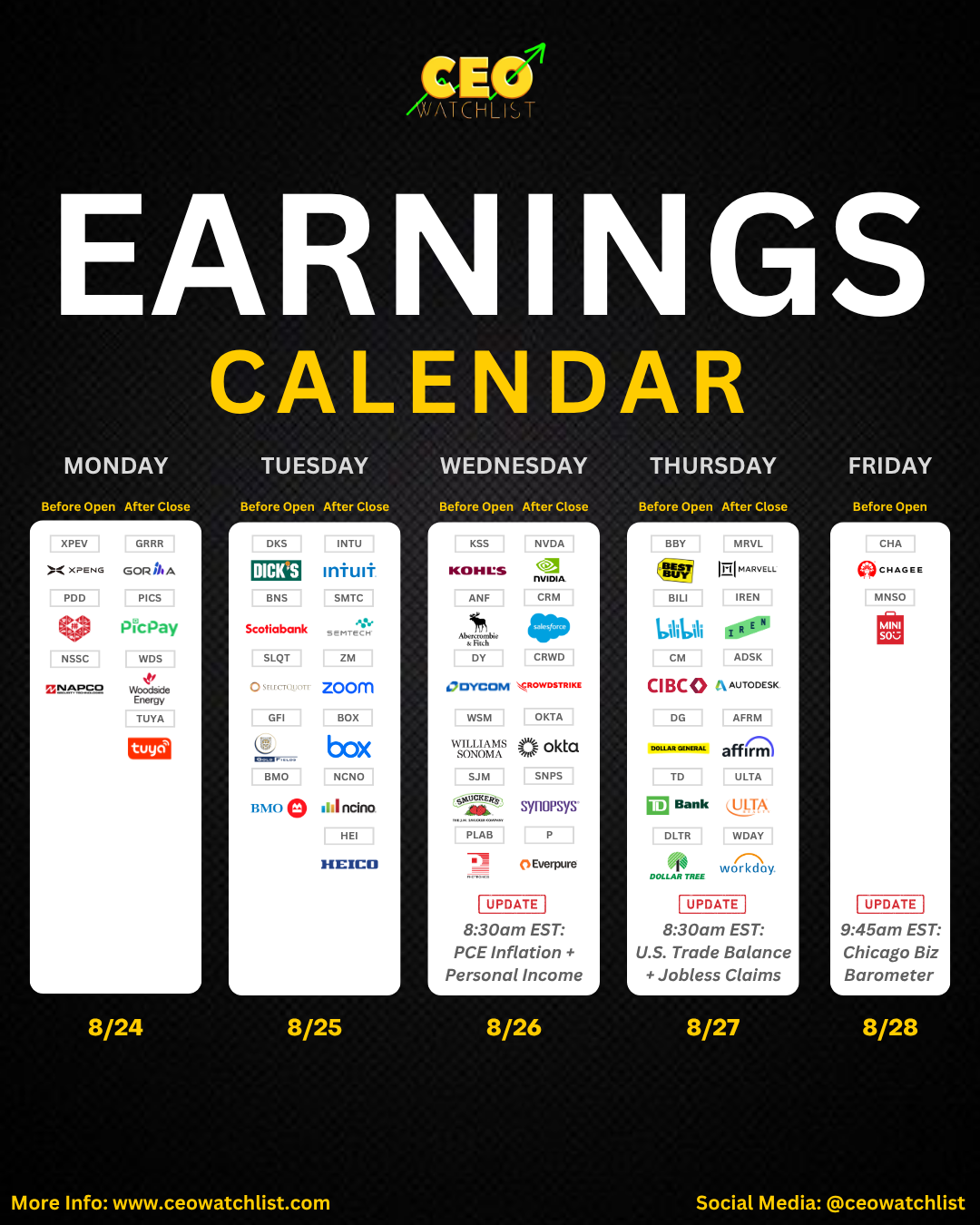
Welcome back. Last week the calendar was a split-screen between retail and chips, and this week the split closes into one dominant theme...AI. The consumer names are mostly cleanup at this point, with the retail stragglers rounding out earnings season, but the real gravity is on the tech side, and it all funnels toward a single Wednesday afternoon that the entire market has circled for months. I have weighted this list almost entirely toward the AI complex, because that is where every important question sits right now, and the biggest one of all reports mid-week, and that name is Nvidia. Here is the list:
- Nvidia (NVDA) - Reports Wednesday, August 26, after the close. This is the one. Nvidia is the center of gravity for the entire AI trade, and its data center GPUs are the physical backbone of the buildout everyone else on this list is downstream of. Company-issued guidance calls for revenue of $91 billion, plus or minus 2%, which would represent roughly 80% year-over-year growth from the $46.7 billion reported in the same quarter a year ago. Wall Street consensus sits slightly above the midpoint of guidance, with analysts forecasting approximately $91.7 billion in revenue and non-GAAP earnings per share of around $2.08. The setup is the interesting part, because a beat alone is not the bar here. The quarter ended in late July is essentially already known, so what actually moves the stock is the forward guide, Blackwell Ultra execution, gross-margin durability, supply availability, and any read on China. Last quarter Nvidia reported record revenue of $81.6 billion, up 85% from a year ago, with non-GAAP gross margins of 75.0%, so margin is the line I care about most alongside the next-quarter number. When a company is this large and this owned, in-line guidance is not the same as good guidance. This print sets the tone for every AI name for the rest of the year.
- Salesforce (CRM) - Reports Wednesday, August 26, after the close. Salesforce reports the same afternoon as Nvidia, and I find the setup here fascinating for a completely different reason. This is a beaten-down software franchise where the whole debate is whether AI monetization is finally showing up in the numbers. Shares sit around $206, still down roughly 22% year-to-date, against a Wall Street analyst target near $243. The company guided Q2 revenue to a range of $11.27 billion to $11.35 billion for the quarter that just ended. The number underneath the headline that I watch closest is Agentforce traction, because last quarter Agentforce surpassed $1 billion in annual recurring revenue, with combined AI and data ARR reaching $3.4 billion. The bull case is straightforward: CRM trades at a forward P/E under 15x with a free cash flow yield of 8.53%, and Salesforce has now beaten EPS in six of its last seven quarters. The tension is whether the AI story converts fast enough to reignite top-line growth, or whether this stays a cheap-for-a-reason name. Guidance on the second-half reacceleration is the whole ballgame.
- CrowdStrike (CRWD) - Reports Wednesday, August 26, after the close. A third heavyweight on the same Wednesday. CrowdStrike is the cybersecurity leader, and it walks into this print priced for something close to perfection, which is exactly what makes it interesting to us. Wall Street expects EPS of $0.29 for the quarter, reflecting 26% year-over-year growth, with revenue estimated to increase 23% to $1.44 billion. But headline EPS is not the line that matters here. Management guided Q2 net new ARR to $284 million to $286 million, and that ARR line matters more than the reported revenue, because the whole question is whether the raised full-year trajectory still looks reachable. The valuation is the catch. CrowdStrike trades at 34.8x forward revenue, versus 23.3x for Palo Alto Networks and 7.5x for Zscaler, and shares have climbed roughly 90% so far in 2026 and touched an all-time high of $226.90 on August 10. With a stock up that much, a beat might not be enough. We are watching net new ARR and the full-year guide far more than the EPS number for a stock that's this expensive.
- Synopsys (SNPS) - Reports Wednesday, August 26, after the close. This is a pick-and-shovel play on the whole AI trade. This is a name that has consolidated for quite some time, and with a strong earnings report here, it could become one of our favorite names to own. Synopsys makes the electronic design automation (EDA) software that chip designers use to actually build advanced semiconductors, which means it sits upstream of every AI chip that eventually ends up in a data center. Wall Street is looking for EPS of $3.67, up 8.3% year over year, on revenue of roughly $2.44 billion, which would be up about 40% from the same quarter last year. That top-line growth is the whole reason I keep coming back to this name. Last quarter the Design Automation segment generated $1.82 billion, roughly 80% of total revenue, with adjusted operating margins expanding to 43.3% from 40.9% a year ago, and management raised full-year revenue guidance to a $9.67 billion midpoint. The setup here is the contrarian part, because despite that growth the stock has been unloved. Shares have dropped about 33% over the past 52 weeks and are down 12% year to date on concerns about debt and the Ansys integration. Synopsys acts as a duopoly with a company called Cadence (CDNS) and up until this point, we have preferred Cadence over Synposys. But with how cheap Synopsys has become lately, if we can see a solid earnings report from them, we may just have to rebuy back into the name.
- Marvell (MRVL) - Reports Thursday, August 27, after the close. After Wednesday's fireworks, Marvell gives me a cleaner second read on the custom-silicon and optical side of the AI buildout. This is one of our preferred ways to play the data center theme through a name that is not Nvidia. Management guided Q2 fiscal 2027 to revenue of $2.598 billion and non-GAAP EPS of $0.91, with continued data center segment expansion expected. The reason we keep coming back to Marvell is the mix. Last quarter data center drove growth, contributing 76% of total revenue, and AI and cloud accounted for over 90% of data center sales, with non-GAAP gross margin at 59.4%. The debate here is durability and lumpiness. The custom silicon business is real and accelerating, but it can be uneven quarter to quarter, so we are watching the data center commentary and any color on new custom AI design wins, because that pipeline is the tell on whether the momentum extends into next year.
Zooming out, here is what we are watching for as this week unfolds. Wednesday afternoon is the single most important window of the entire earnings season, with Nvidia, Salesforce, CrowdStrike, and Synopsys all printing within the same hour and effectively answering four different versions of the same AI question at once. Then Thursday, Marvell gives us the follow-through on the custom silicon supply chain. Five names spanning chips, software, and security, all downstream of the same buildout, and all hinging on that Wednesday close. Expect an extremely volatile week ahead, with stocks moving up and down dramatically! We will be covering all of it LIVE in the CEO Watchlist Investment Club as it comes out.
"Super Investor" Spotlight: Muhlenkamp (Source)
Stocks mentioned: $RUSHA, $NEM, $AEM, $EQT, $MCK, $BRK.B, $MCHP, $AAPL, $URI, $RGLD, $WAB, $BGC, $NMIH, $SLB, $MSFT, $ICLR, $TMHC, $OTHER
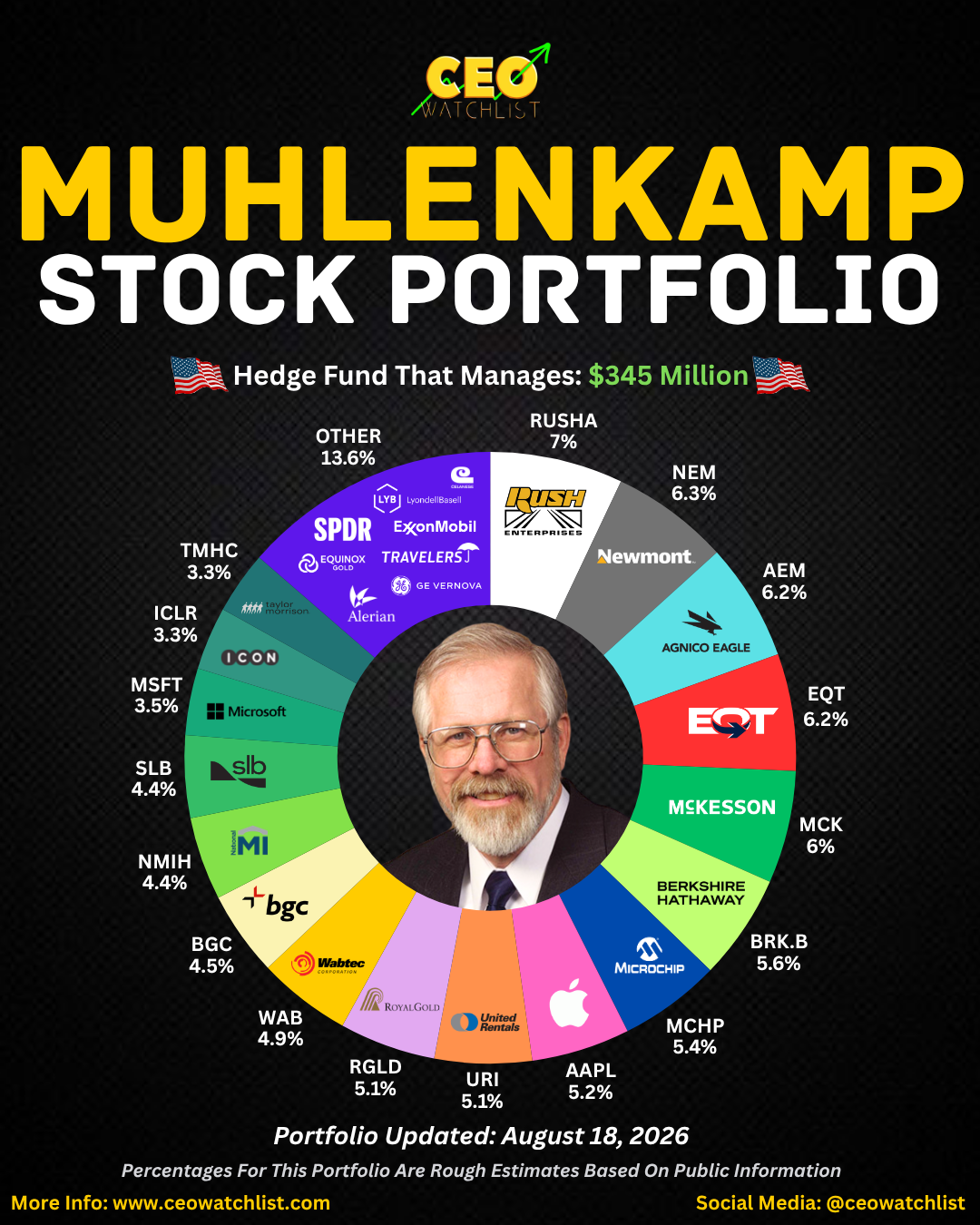
Most people outside of serious value investing circles have never heard of Ron Muhlenkamp, and that's exactly the kind of manager we find most interesting to track. Muhlenkamp founded Muhlenkamp & Company back in 1977 and spent nearly five decades quietly building one of the most disciplined, fundamentals-first track records in the business. He's not a fixture on financial television. He's not posting takes on social media. He's just running a concentrated, research-driven book the way he always has, finding companies with high returns on equity selling at reasonable prices, and letting compounding do the rest. His fund manages $345 million, which keeps him well under the radar of most Wall Street coverage, and that's part of what makes his 13F worth paying close attention to. When a manager this experienced and this patient puts money somewhere, it usually means something.
As a quick note for newer readers, a "Super Investor" is just our term for a major institutional player, think massive corporations, elite hedge funds, or billionaire-run funds, whose quarterly stock disclosures give the rest of us a rare window into where the world's smartest capital is flowing. Muhlenkamp checks every box on that list, which is exactly why his 13F is one of the first ones we open every quarter.
Muhlenkamp's investing philosophy is built around one core idea: find businesses generating exceptional returns on shareholder equity and don't overpay for them. He's not chasing momentum, not rotating into whatever sector is hot, and not trying to time the macro. He buys good businesses at fair prices and holds them. That approach has produced a portfolio that looks genuinely different from what most managers are running right now, heavy on energy, materials, and healthcare distribution, with selective exposure to tech, and a meaningful gold allocation that tells us he's thinking carefully about where we are in the economic cycle.
Here are the top 10 holdings in Ron Muhlenkamp's public stock portfolio:
- Rush Enterprises (RUSHA) - 7%
- Newmont (NEM) - 6.3%
- Agnico Eagle (AEM) - 6.2%
- EQT Corp (EQT) - 6.2%
- McKesson (MCK) - 6%
- Berkshire Hathaway (BRK.B) - 5.6%
- Microchip Technology (MCHP) - 5.4%
- Apple (AAPL) - 5.2%
- United Rentals (URI) - 5.1%
- Royal Gold (RGLD) - 5.1%
What stands out most about this portfolio is how intentionally it's built for the current environment. Growth stocks have been dealing with serious volatility over the past three months, and with macro uncertainty still very much in the picture, a value-oriented book like this one is worth paying attention to. Energy, healthcare distribution, precious metals, and industrial names don't get the headlines that mega cap tech does, but they tend to hold up a lot better when the market gets choppy. Muhlenkamp has been running this playbook for nearly five decades and this portfolio reflects exactly the kind of setup that tends to look smart in hindsight when conditions get uncertain. We will continue to monitor Muhlenkamp's portfolio alongside dozens of other hedge funds, politicians, and "Super Investors", and will keep reporting back every week with updates on any new moves they make.
INSIDER STOCK TRADES FROM THE WEEK:
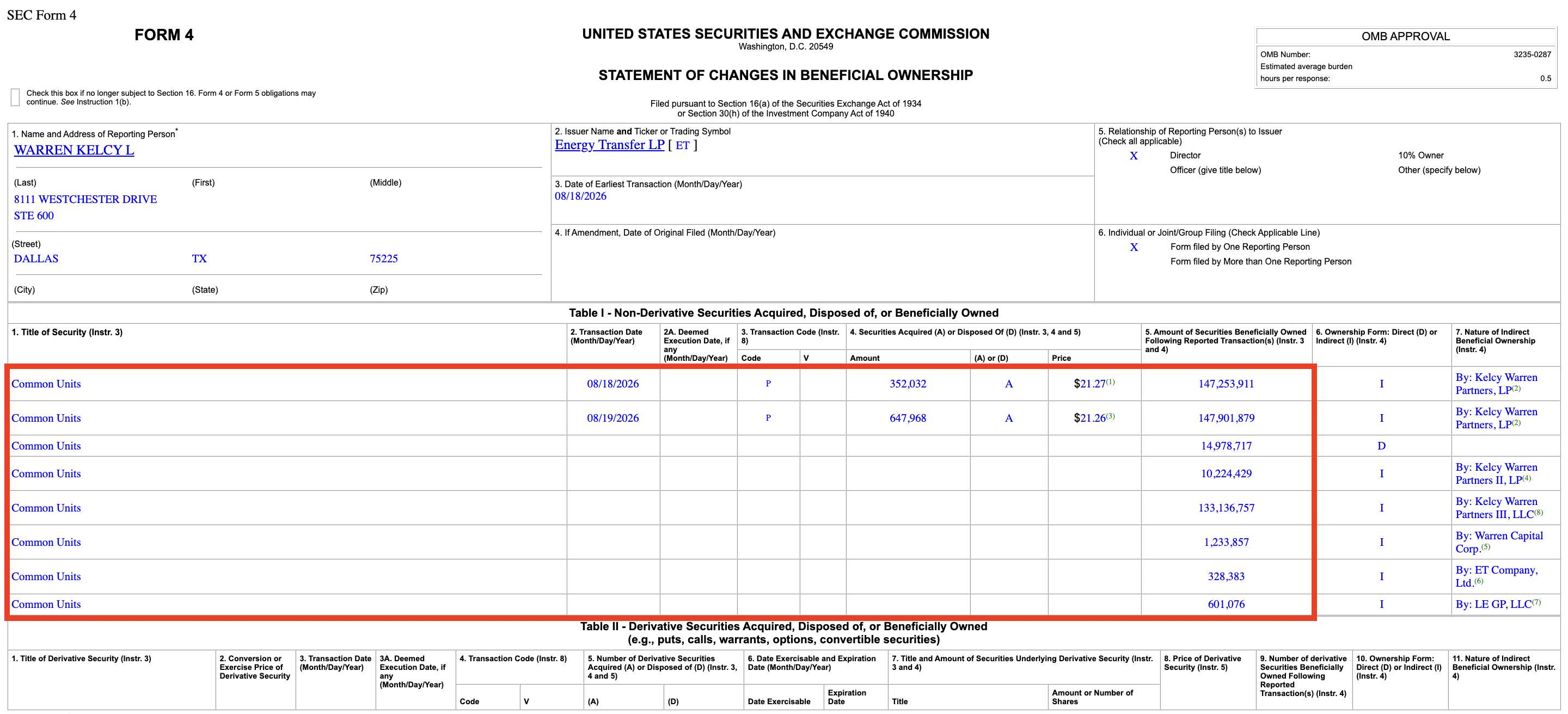
1. Energy Transfer (ET) - Warren Kelcy (Director) bought roughly $20,000,000 of ET at an average price of $21.26/share between August 18-19, 2026, but it wasn't reported to the public until August 20, 2026. (Source)
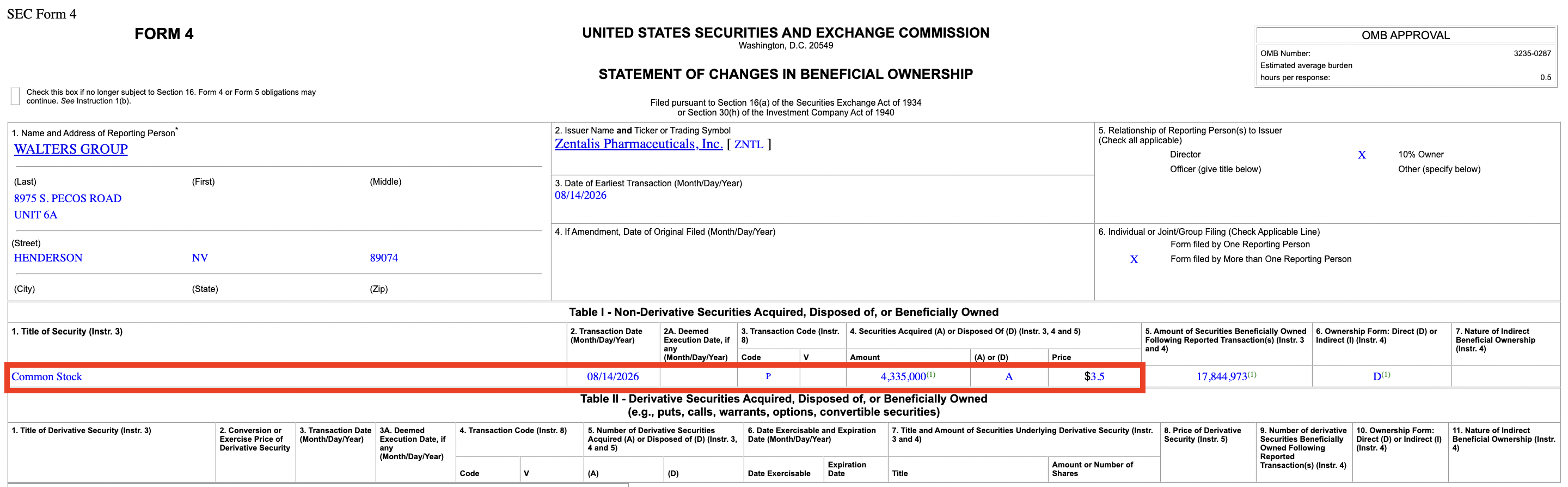
2. Zentalis Pharmaceuticals (ZNTL) - Walters Group (10% Owner) bought roughly $15,100,000 worth of ZNTL at an average price of $3.50/share on August 14, 2026, but it wasn't reported to the public until August 19, 2026. (Source)
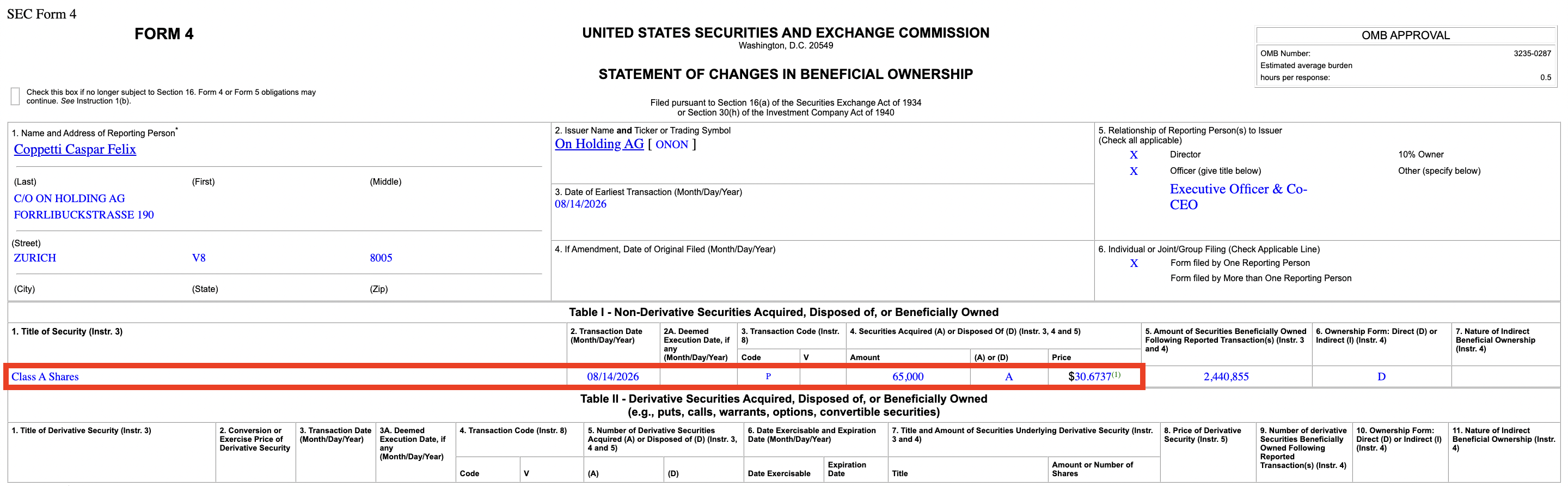
3. On Holdings (ONON) - Felix Coppetti (Co-CEO) bought roughly $2,000,000 of ONON at an average price of $30.67/share on August 14, 2026, but it wasn't reported to the public until August 17, 2026. (Source)
Over 2,000 people have already signed up for my FREE Masterclass video on how to unlock my exact strategies for finding winning stock/options trades! I'll share everything including how to find what Politicians and CEOs are buying. Don’t miss your chance to get in for FREE before spots fill up!

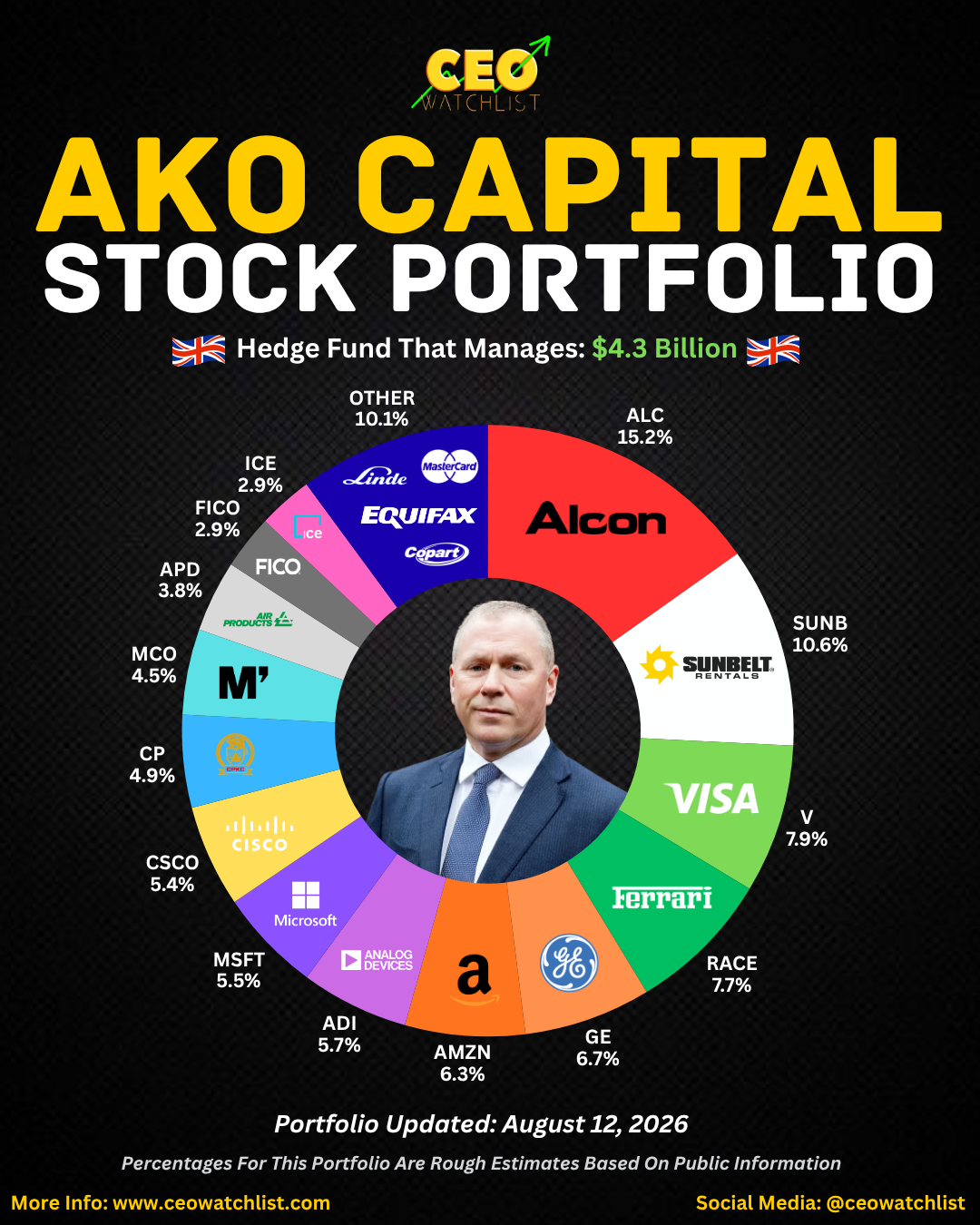
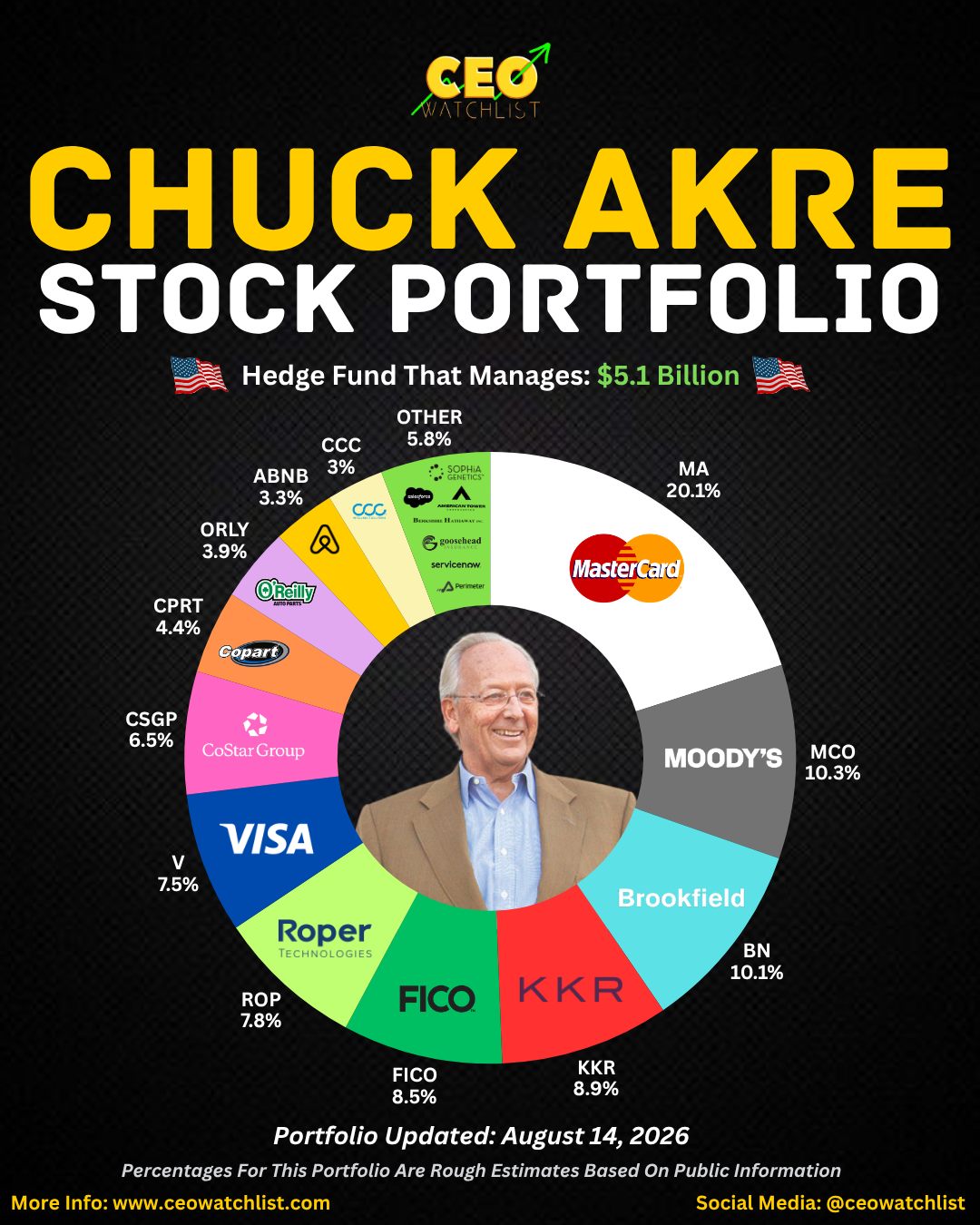
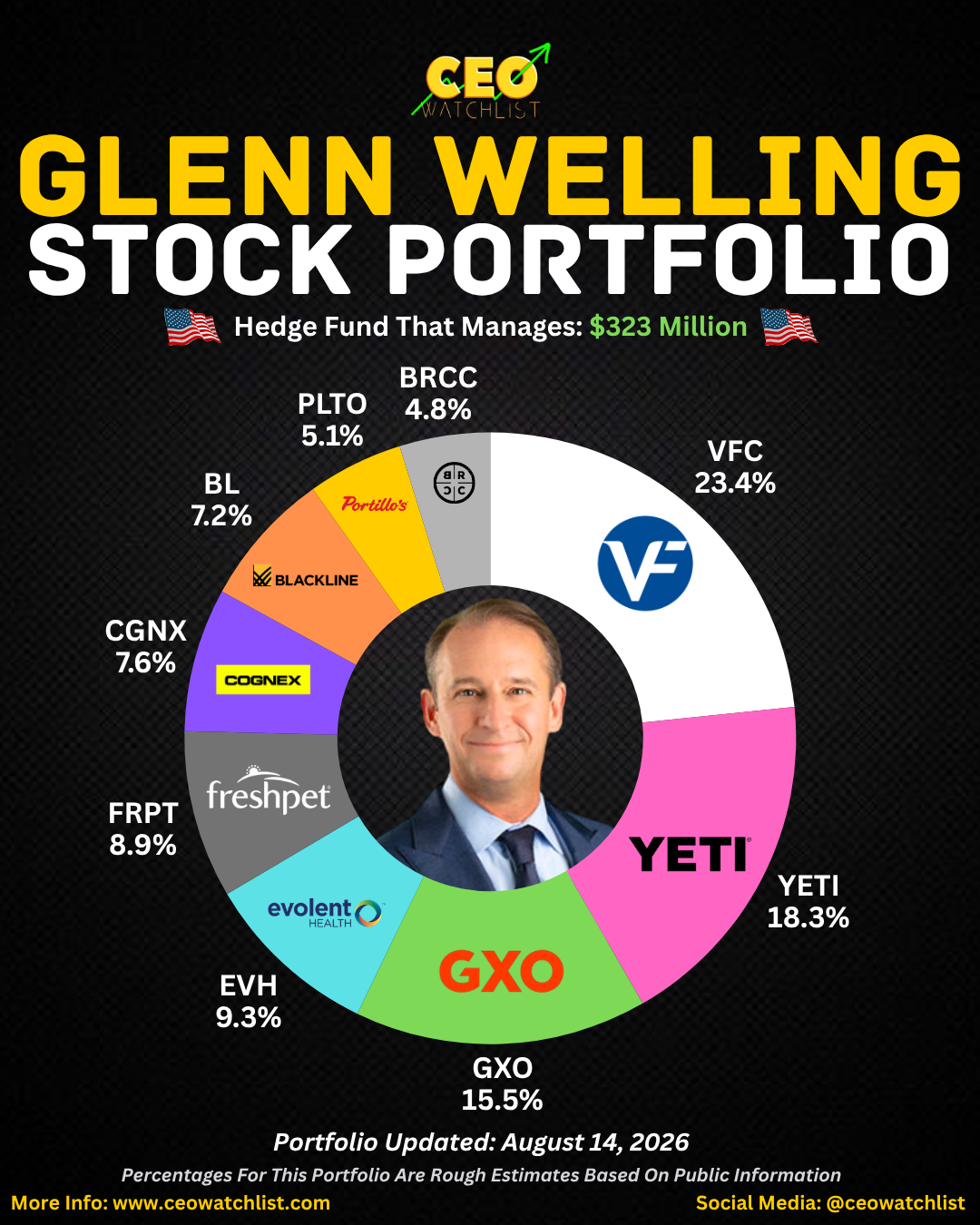
INFOGRAPHICS FOR THE WEEK:

CONTACT US: [email protected]
Responses