
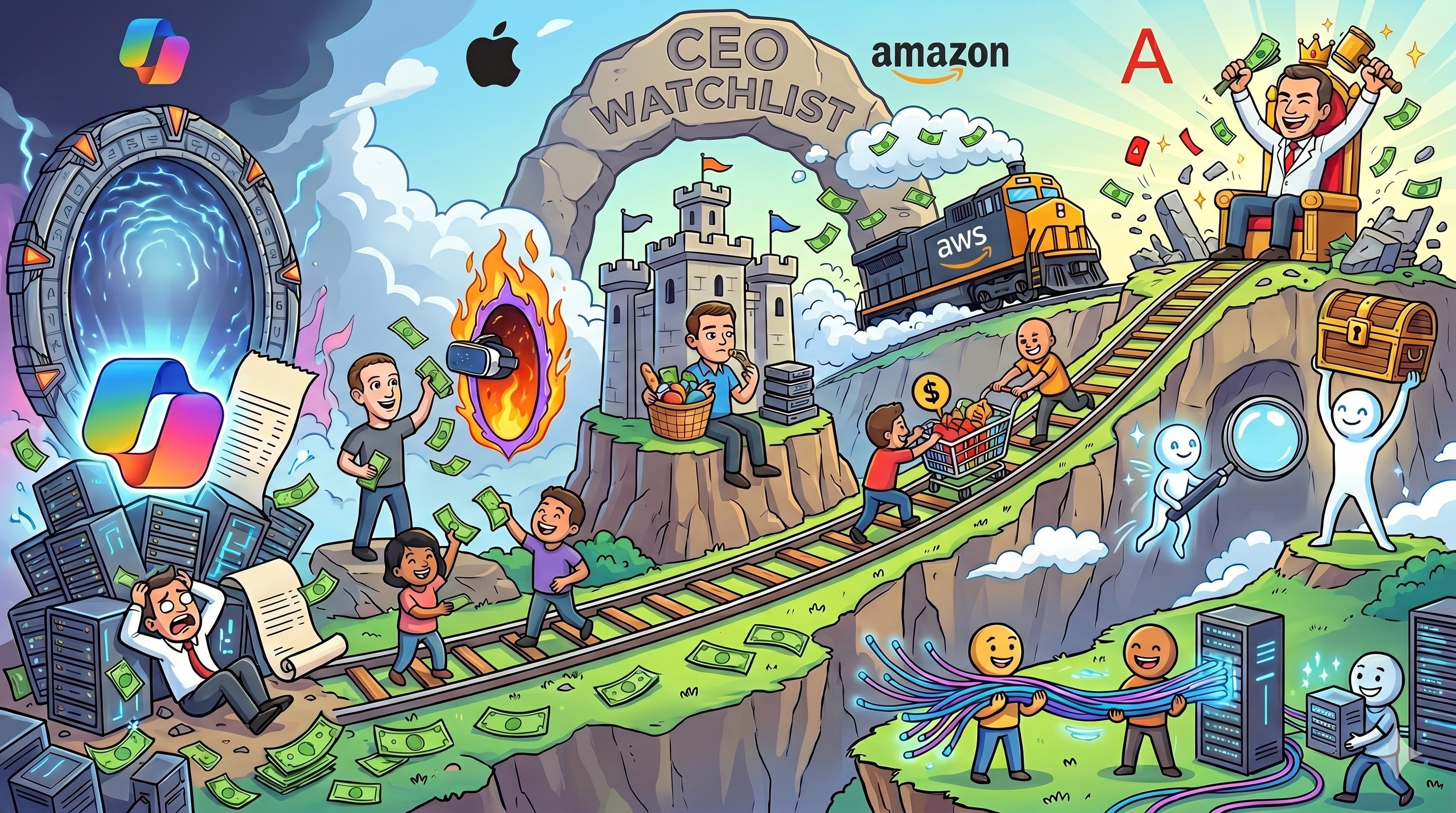
TOP NEWS AFFECTING THE STOCK MARKET THIS WEEK:
Big Tech Has Spoken: The Brutal Ranking of the Winners and Losers... (Source)
Stocks mentioned: $MSFT, $META, $AAPL, $AMZN, $GOOG, $LITE, $COHR, $CRWV, $IREN, $PLTR, $RKLB, $AMD, $ARM
We have just emerged from the most important earnings week of the entire quarter. The "Big Tech" gauntlet has officially concluded, representing the largest concentration of market cap to report in a single five-day stretch. The results have provided a definitive look at the health of the global digital economy, and more importantly, a roadmap for the billions of dollars in capital expenditure (capex) currently being deployed into the AI revolution. The market is no longer trading on one single quarter's earnings report, but rather it is moving based on promises set in the future and "Big Tech" now becoming its own version of the Federal Reserve by injecting liquidity into the stock market through their capex.
But this article is not about where "Big Tech" is spending their money; it's about who the big winners and losers were from this past week. We have ranked the 5 "Big Tech" stocks that reported earnings, from the most disappointing to the undisputed champion of this quarter:
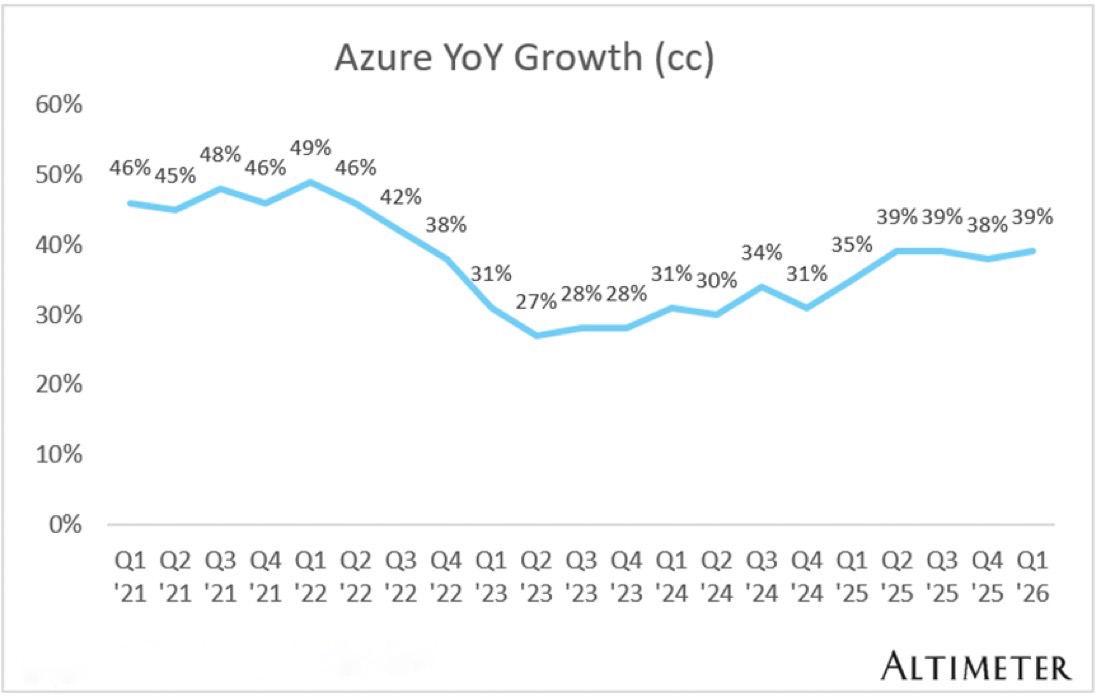
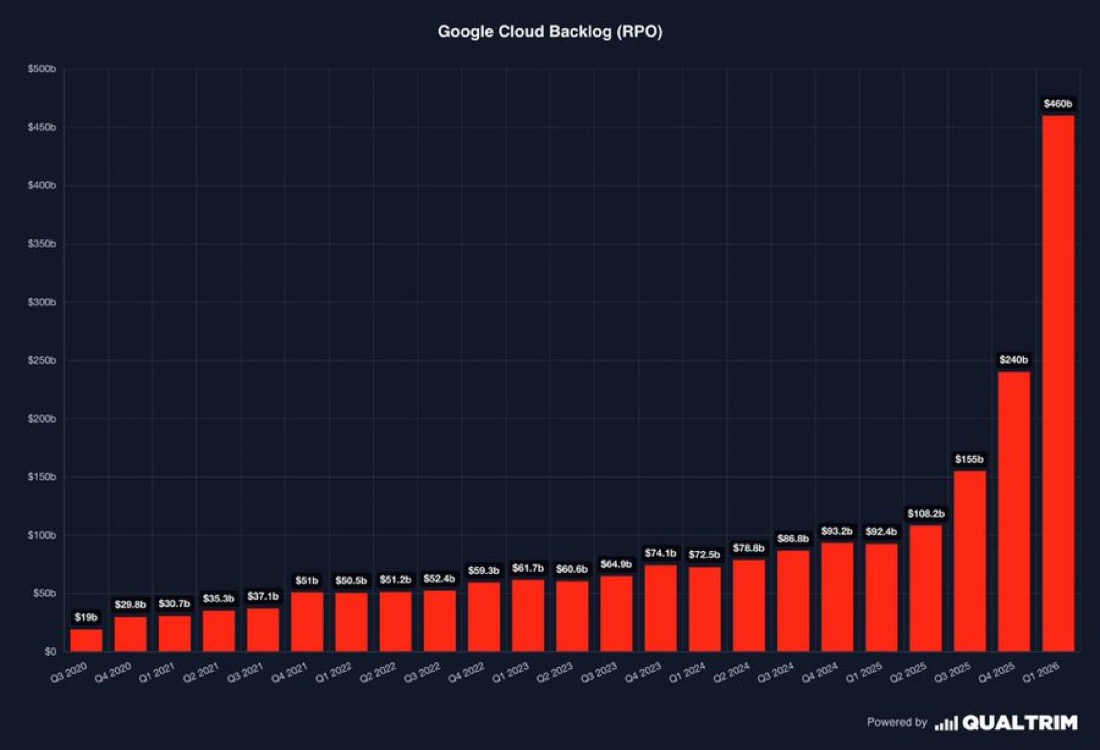
- Microsoft (MSFT) - THE WORST!!! - While the revenue and EPS were respectable, Microsoft is facing 3 big issues. First is their tie to Open AI. The past couple years, Open AI (Chat GPT) has been Microsoft's golden goose to stay relevent and on top in the software market. But as financial struggles continue to pop up for the company, Open AI has become somewhat of a liability, moreso than an asset. This isn't the only concerning factor for us, the other concern is that a huge chunk of their business is software. As many of you have noticed, software stocks have lagged tremedously over the past year. Until we see a turnaround in software, Microsoft will continue to stay in the dog house. Finally, the biggest concern to come out of this report is the stagnating growth in their cloud division (Azure). While Amazon and Google continue to grow, Microsoft's growth in cloud seems to have hit a plateau, as can be seen in the image down below. For these reasons, Microsoft has to be at the bottom of our list.
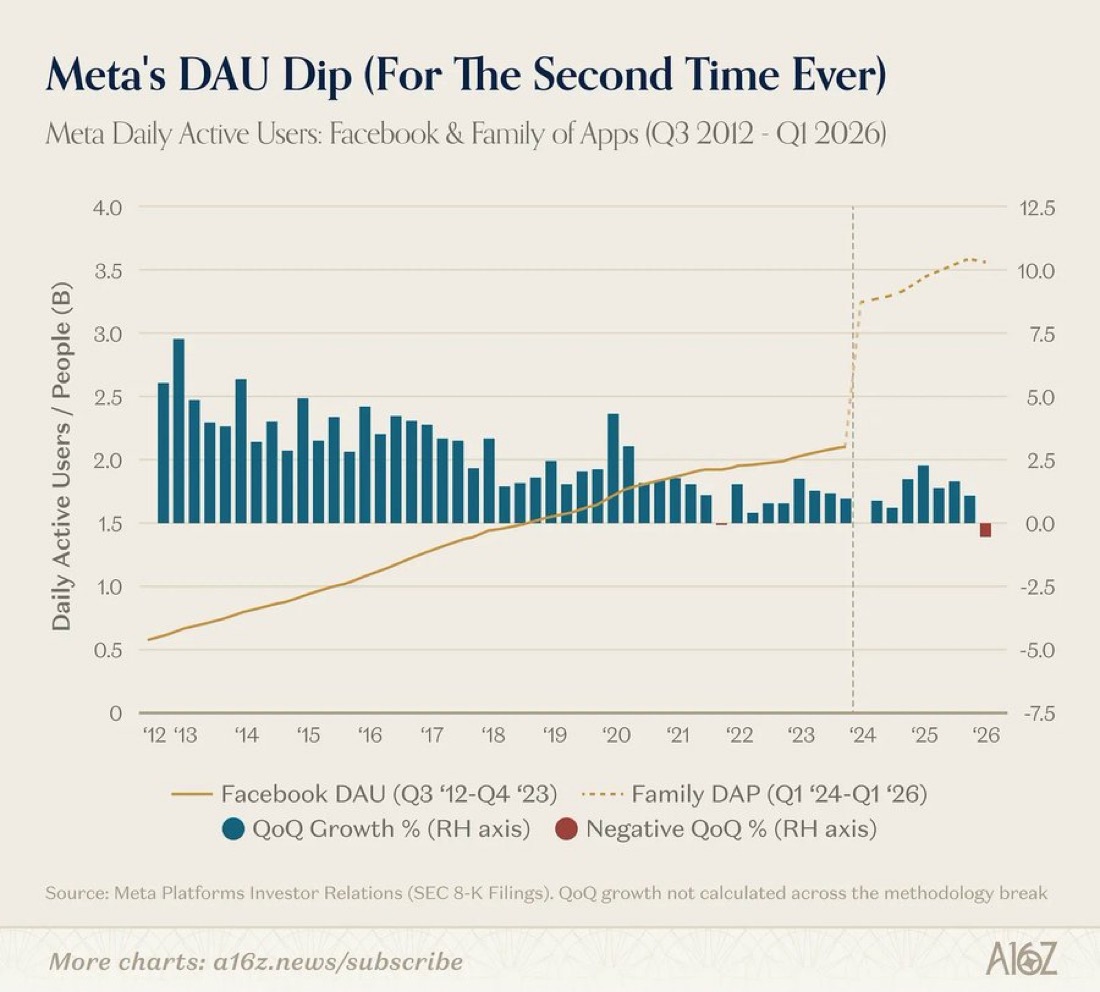
- Meta (META) - Pretty Bad - Meta's numbers were actually pretty good, but concern rose around their increase in capital expenditure (capex). They increased their capex guidance to $135 billion, which is massive for a company of their size. It's a very simple thing to understand; investors don't like when companies spend money rather than returning it to the shareholders. This is why Meta sold off significantly, but also because investors don't seemed to have the same conviction in Meta as they do in Amazon and Google. When Amazon and Google announced their increase in capex, they didn't receive the same punishment as Meta did. That's because investors still have some trauma from Meta's wasteful spending in 2022 on the "metaverse". Besides that, Meta also reported that their Daily Active Users (DAU) had fallen, which is extremely rare for Meta and has really only been seen once before. Now, in defense of Meta, they explained that the dip in DAU's was due to the war in Iran and shutdowns in Russia. They said without these geopolitical issues, DAU's would have actually increased. This is why we liked Meta's report slightly better than Microsoft. If Meta decides to turn off the faucet of spending they're doing, the stock will shoot up 10-20% in a single day. Whereas, Microsoft is not in control of Open AI or the software narrative.
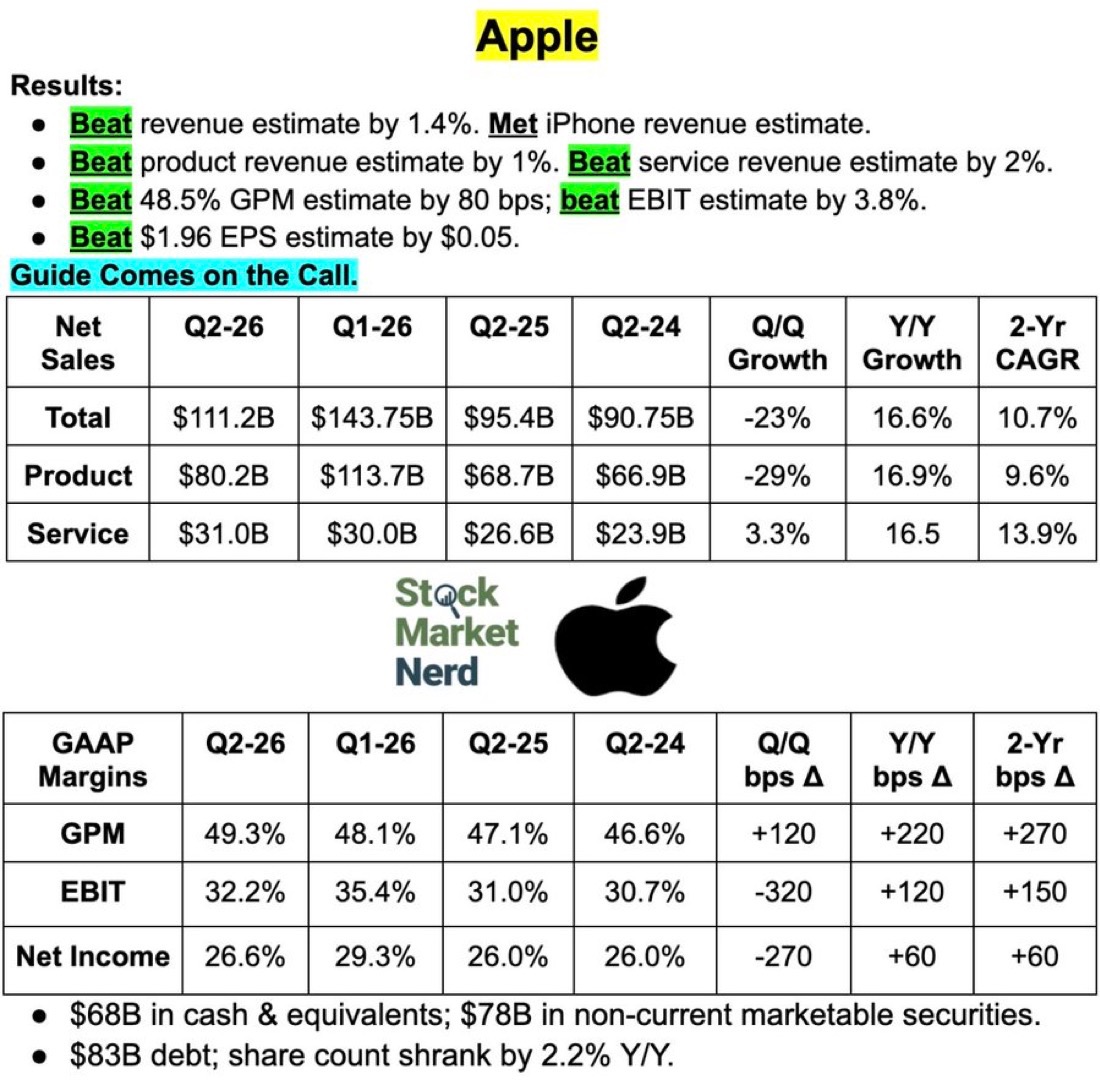
- Apple (AAPL) - Right in the middle - Apple delivered what many considered a "boring but stable" quarter. The bull case was supported by a resilient "services" division, but the stock was held back by stagnating hardware sales in China. It remains the "defensive tech" play, but it lacked the explosive AI growth narrative that the market currently craves. There wasn't anything bad in this report, but there also wasn't anything extraordinary, which is why Apple sits right in the middle for us out the big 5 tech names that reported.
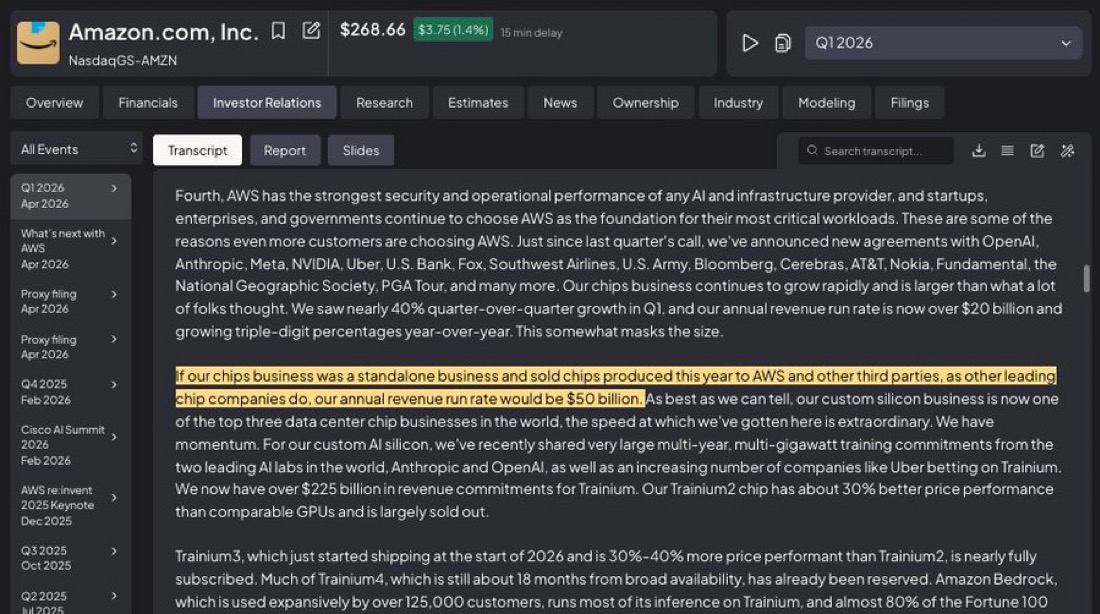
- Amazon (AMZN) - Great - Amazon showed its strength through the re-acceleration of AWS. The cloud division grew by 28% year-over-year, proving that enterprises are moving past the "cost-optimization" phase and back into "deployment" mode. While retail margins were squeezed by labor costs, the high-margin advertising and cloud engines are firing on all cylinders. But if labor costs concern you, then you don't have too much to worry about. Amazon currently has over 1,000,000 robots working for them in their warehouses, and that number is only growing by the day. Over time, Amazon's operating expenses (OpEx) will only continue to drop as their operations become more lean and efficient. Besides the great numbers that Amazon put up, what's more impressive is their chip business that continues to grow exponentially. For an e-commerce company, to put up a $50 billion annual revenue run rate for a chips business, that is relatively new, is extremely impressive. Overall, when you factor in all of these things and Amazon's consolidation over the past 5 years, this looks like a stock poised for a run up!
- Alphabet (GOOG) - PERFECTION!!! - Google blew the doors off this earnings season. It delivered a trifecta of "search" dominance, YouTube advertising growth, and a Cloud division that continues to show massive scale. Most importantly, it silenced the "disruption" narrative by proving that its Gemini AI integration is enhancing "search" rather than cannibalizing it. Nothing negative to say here, it is what we would consider a perfect earnings report.
The overarching theme of 2026 is that "Big Tech" is making more money than ever, but they are also spending it as fast as they can earn it. This creates a "dual-benefit" market structure: the mega-caps themselves are entrenching their moats with massive infrastructure, but the real winners are the suppliers receiving that capital. The "Hyperscaler" spending is being funneled directly into the semiconductor and networking layer, ensuring that the AI build-out remains the primary driver of equity returns for the foreseeable future.
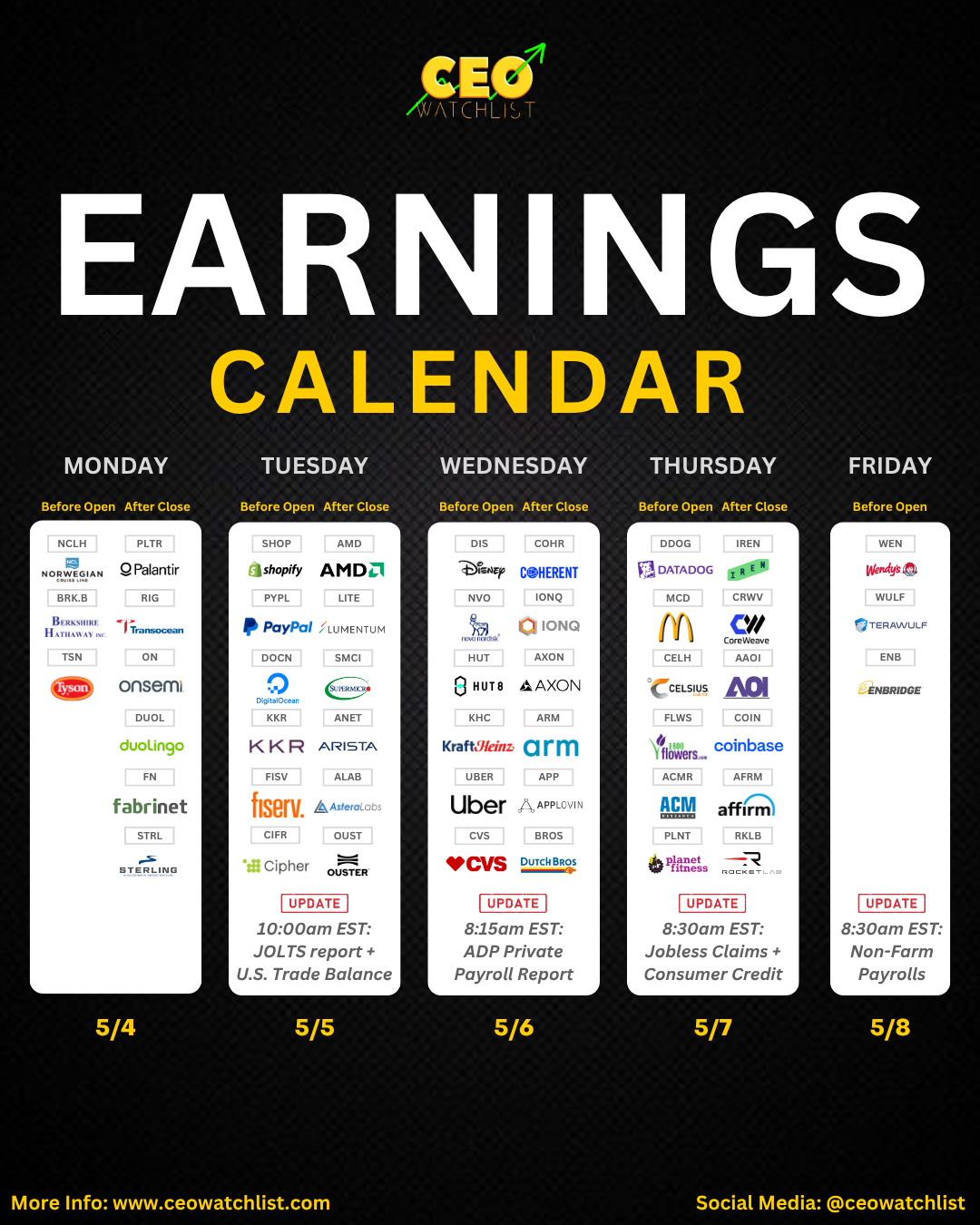
This massive deployment of capital is exactly why we are shifting our focus next week to the high-beta names sitting directly in the crosshairs of that spending. We are closely watching the Photonics and Optical sector, companies like Lumentum (LITE) and Coherent (COHR). Simultaneously, we are monitoring the "Neo-Cloud" compute plays like CoreWeave (CRWV) and IREN Limited (IREN) to see if they can capture the crumbs falling from the "Big Tech" table. Other huge names reporting include Palantir (PLTR), Rocket Lab (RKLB), Advanced Micro Devices (AMD), ARM Holdings (ARM), and much more. Since we couldn't cover every name in this update, we’ve included a full earnings infographic below featuring all the major stocks reporting next week. As always, if you're a CEO Watchlist Investment Club Member, we will be updating you in real time of these earnings reports and any changes we are making to our personal stock and option portfolios. If you haven't seen our updated stock portfolios going into this next week, then [CLICK HERE] to access them now. If you're not a CEO Watchlist Investment Club Member, and you want access to our stock portfolios, live trading classes, and much more, then [CLICK HERE] to grab a "Newsletter Exclusive" $200 OFF discount code for first time members only!
Is This Stock Sector The Next One To Rocket Higher?! 5 Names We Believe Are Ready For Takeoff... (Source)
Stocks mentioned: $ROK, $ISRG, $TER, $OUST, $OSS
The market is currently entranced by the "plumbing" of the digital age. We have seen a massive surge in hype surrounding memory and photonics stocks, the essential infrastructure that moves and stores data at the speed of light. Photonics, which uses light (photons) instead of electricity (electrons) to transmit information, has become the darling of Wall Street because it solves the heat and speed bottlenecks inherent in traditional copper wires. While these technologies are the undeniable bedrock of the current AI boom, the trade is becoming crowded. Investors are currently focused on the "nervous system" of the global machine, but they are neglecting the most critical evolution: the development of the "muscles" that will actually interact with the physical world.
To understand the trajectory of value, we must look beyond the chips. Semiconductors are the brains, and photonics the synapses, but their ultimate utility is capped if they remain trapped inside data centers. Think of it like the automotive revolution: while the refinement of gasoline and steel was crucial, the real economic explosion came from what those materials built, the cars that moved people and the trucks that reshaped logistics. We are currently in the "refinery" stage of AI. To capture the next alpha, we must identify the vessels that will host this intelligence. This is the era of Embodied AI, the transition from software that simply predicts text to hardware that can navigate a warehouse, perform surgery, or assemble complex electronics.
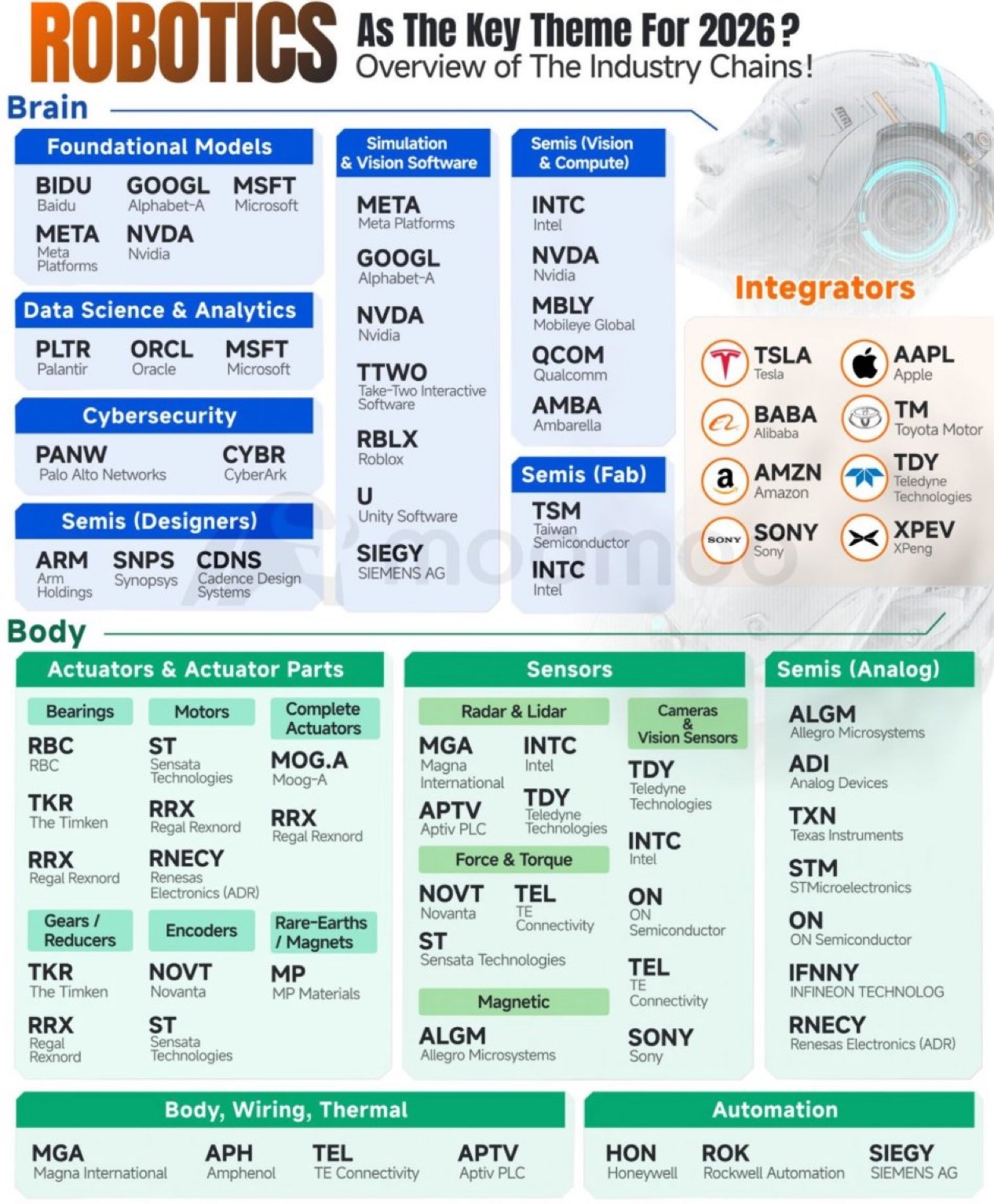
This brings us to the Great Disconnect: Robotics. While the "brains" (Nvidia) and "nerves" (Photonics names) have reached escape velocity, robotics stocks have curiously lagged. Critics argue that the physical world is "messy" and that hardware is too difficult to scale compared to software. This skepticism has created a valuation gap. However, the same large language models (LLMs) that power chatbots are now being used to solve "Moravec’s Paradox", the discovery that high-level reasoning requires very little computation, but low-level sensorimotor skills require enormous computational resources. Because we now have the chips and the photonics to handle that massive computation, the technical bottleneck for robotics has finally been shattered.
We believe that over the next 24 to 36 months, capital will aggressively rotate from the infrastructure layer into the execution layer. As the market realizes that the massive capital expenditure currently being poured into data centers must eventually manifest as physical productivity gains to justify its cost, the spotlight will shift to the companies building the physical manifestations of AI. We are moving from "AI as a Service" to "Automation as a Physical Reality." Below are some of the key players poised to lead this transition:
-
Rockwell Automation (ROK): A dominant large-cap leader in industrial automation and digital transformation. They provide the integrated "operating system" for the modern factory, using AI to link hardware and software, ensuring that the next generation of industrial robots can communicate seamlessly across the manufacturing floor.
-
Intuitive Surgical (ISRG): The gold standard for robotic-assisted surgery. Their Da Vinci systems move beyond simple tools to become "intelligent assistants." As they integrate more advanced AI, they represent the peak of high-precision robotics, turning digital data into life-saving physical outcomes.
-
Teradyne (TER): A critical bridge between semiconductor testing and collaborative robotics. Through their ownership of Universal Robots and Mobile Industrial Robots (MiR), they lead the market in "cobots" (robots that work safely alongside humans). They are the primary vehicle for small-to-medium enterprises looking to deploy physical AI at scale.
-
Ouster (OUST): A mid-cap player providing high-resolution digital lidar sensors. Lidar is the "eyes" of a robot, allowing it to see and navigate in 3D space. As autonomous mobile robots move from controlled warehouses to unpredictable real-world environments, Ouster’s hardware becomes the essential sensory input for physical intelligence.
-
One Stop Systems (OSS): A small-cap specialist in "AI on the Edge" computing. They build the rugged, high-performance compute systems that live on the robot itself rather than in a distant cloud. For a robot to move in real-time, it needs the massive processing power OSS provides to handle data locally and instantaneously.
In summary, the investment thesis is clear: the market has correctly priced the infrastructure of AI but has fundamentally undervalued its physical application. As memory and photonics reach saturation, the next wave of capital will flow into robotics, the "muscles" of the new economy. By rotating into innovative industrial disruptors now, investors position themselves at the forefront of the most significant transition in human productivity since the assembly line.
"Super Investor" Spotlight: Leopold Aschenbrenner (Situational Awareness Fund) (Source)
Stocks mentioned: $BE, $INTC, $CRWV, $LITE, $CORZ, $IREN, $APLD, $SNDK, $CIFR, $HUT, $COHR, $NBIS
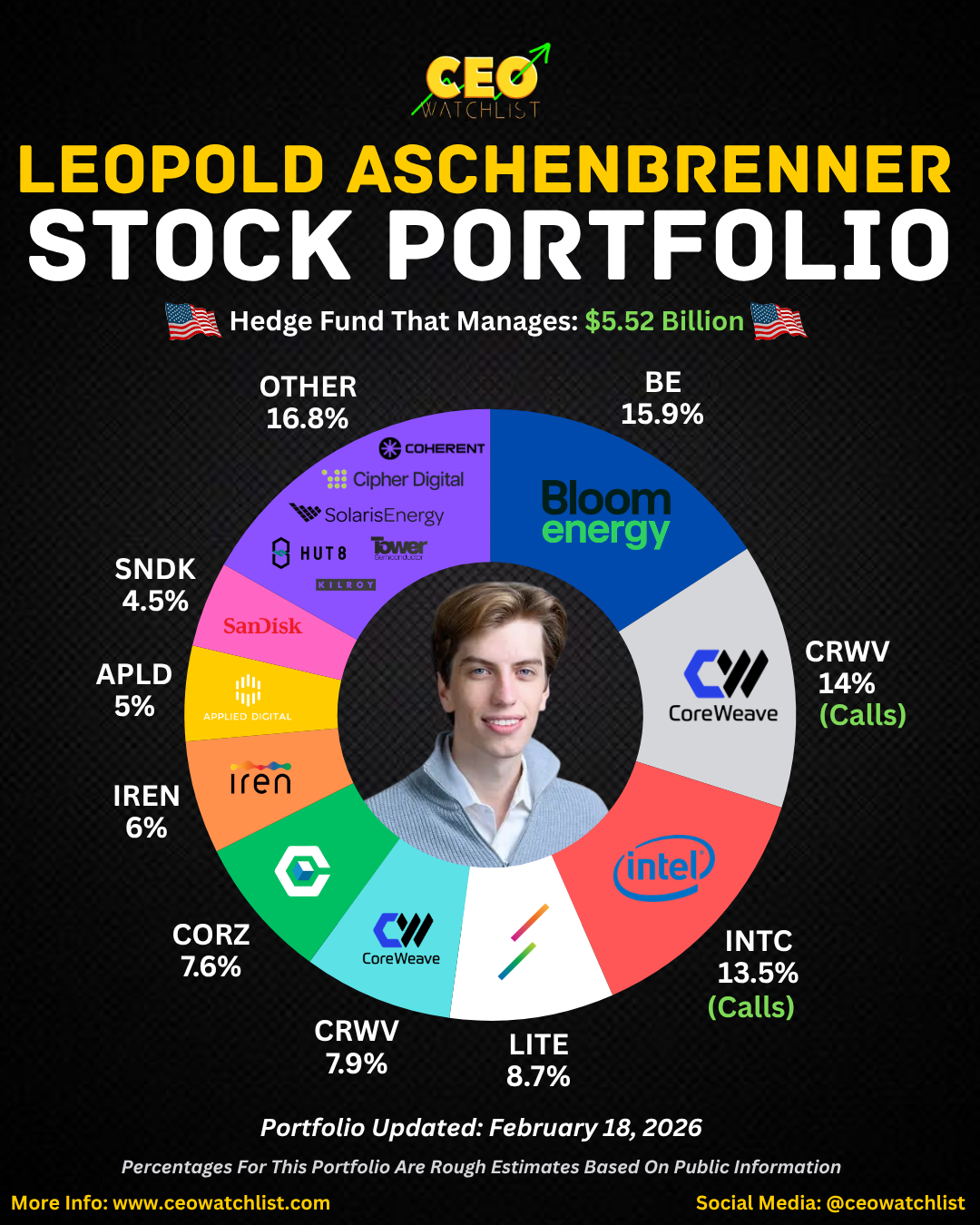
This week’s "Super Investor" Spotlight features the meteoric rise of Leopold Aschenbrenner, a once unknown Open AI employee, now the youngest billioniare prodigy on Wall Street! For those who aren't familiar with the term, a "Super Investor" is a high-performing fund manager who controls a massive amount of capital, in this case, a $5.52 billion portfolio, and has shown a unique ability to anticipate major market shifts before they happen... and Aschenbrenner is all that and more!
The reason we're updating you all on Leopold again is because multiple of his top positions just reported earnings this past week and skyrocketed higher! His largest position, Bloom Energy (BE), and his massive call option bet on Intel (INTC) both crushed earnings expectations. Seeing as these 2 stocks make up nearly a third of his portfolio, you can say he had a pretty decent week as Bloom Energy is up nearly 28% and Intel is up roughly 20% just in the past week alone. But that's in the past, so why do we feel the need to write a whole other article on him? The reason is because it seems like everything he touches turns to gold, and this week, a huge chunk of his stocks are reporting earnings. But before we get into that, let's first take a look at the top 10 stock positions in his portfolio:
- Bloom Energy (BE) – 15.9%
- CoreWeave (CRWV) [Calls] – 14.0%
- Intel Corp (INTC) [Calls] – 13.5%
- Lumentum Holdings (LITE) – 8.7%
- CoreWeave (CRWV) – 7.9%
- CoreScientific (CORZ) – 7.6%
- Iris Energy (IREN) – 6.0%
- Applied Digital (APLD) – 5.0%
- SanDisk (SNDK) – 4.5%
- Cipher (CIFR) – 2.8%
When we look at his portfolio, he's clearly "all in" on tech stocks, but how well is his portfolio actually faring versus the overall market? Last year, from January 1st to December 31st, the S&P 500 returned roughly 18%. Leopold, during the same time, returned roughly 2,065%! No, that's not an error. He actually returned over 2,000% in a single year! Needless to say, tracking what Leopold does might now be the new gold standard for growth investors. That's exactly why this next week is so important. A lot of stocks Leopold owns are reporting earnings and if you're not following them closely, you may be left behind. Here is the list of names we will be watching: CoreWeave (CRWV), Lumentum (LITE), Coherent (COHR), Iris Energy (IREN), Cipher Mining (CIFR), and Hut 8 (HUT). Our personal favorite names, that he owns, that are reporting this week is Lumentum and Coherent. As for the other names, they are all classified as what is known as "neocloud" stocks. For us personally, we prefer Nebius (NBIS) as our "neocloud" of choice, but that's the only place where we disagree with what he is doing in his portfolio. We like the "neoclouds" but we believe Nebius offers the best risk to reward of the bunch, and we're not trying to diversify into the other names like Leopold is.
At the end of the day, Leopold is an absolute monster of an investor, that everyone should take notice of. He proves that being a "Super Investor" isn't just about finding good companies, it's about having the vision to see where the world is going and the courage to place massive, concentrated bets on that future. We will be tracking the results in real time to see if Leopold can continue his streak of impressive stock picks.
INSIDER STOCK TRADES FROM THE WEEK:
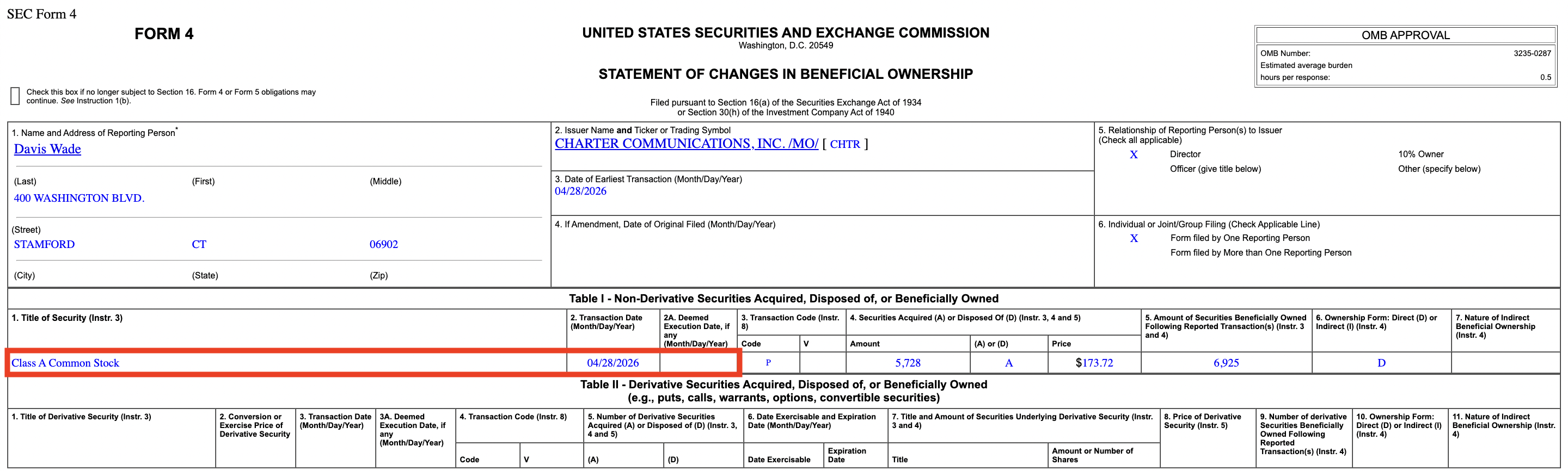
1. Charter Communications (CHTR) - Wade Davis (Director) bought roughly $1,000,000 worth of CHTR at an average price of $173.72/share on April 28, 2026, but it wasn't reported to the public until April 29, 2026. (Source)
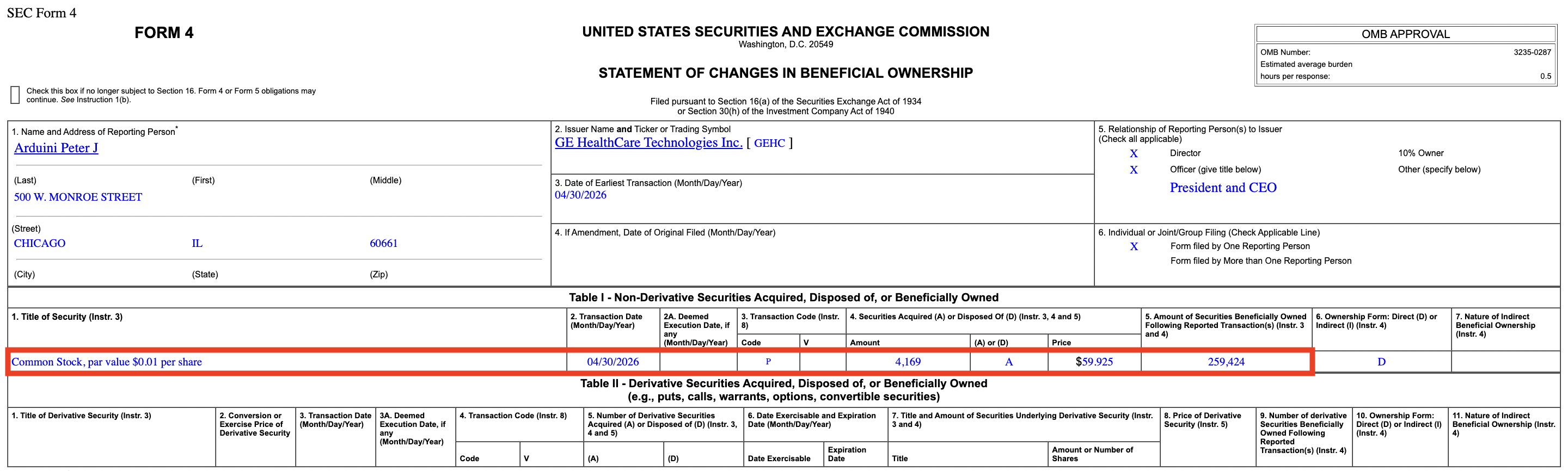
2. GE HealthCare (GEHC) - Peter Arduini (CEO) bought roughly $250,000 of GEHC at an average price of $59.92/share on April 30, 2026, and it was reported later that same day. (Source)
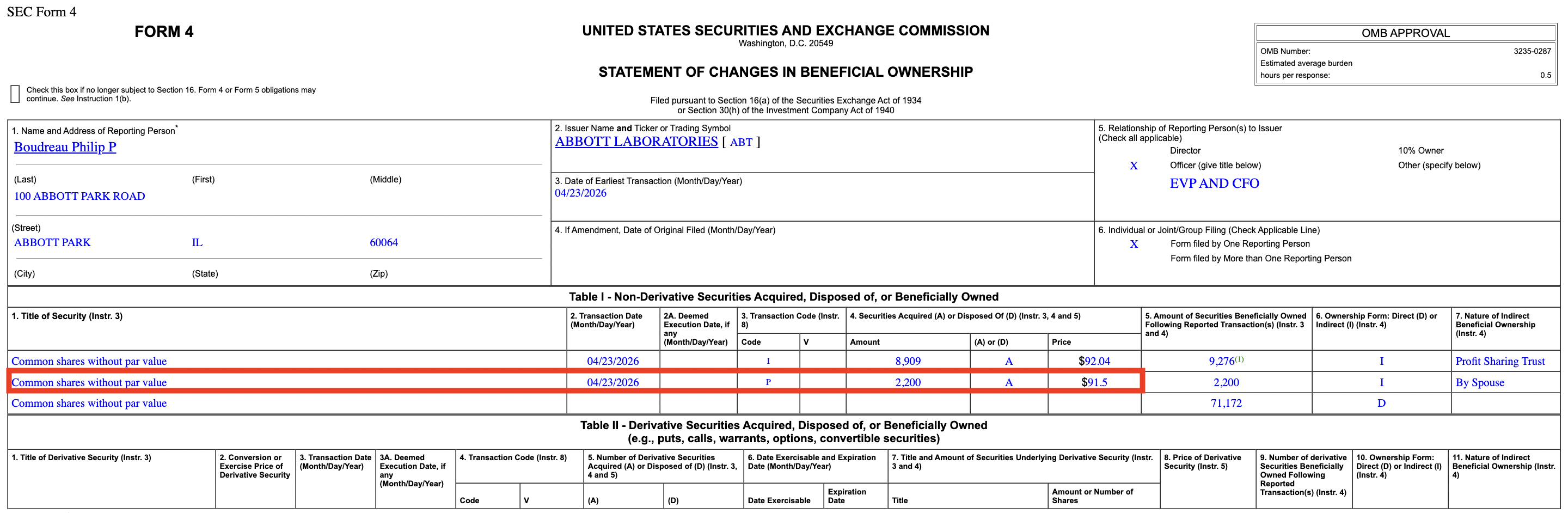
3. Abbott Labs (ABT) - Philip Boudreau (CFO) bought roughly $200,000 of ABT at an average price of $91.50/share on April 23, 2026, but it wasn't reported to the public until April 27, 2026. (Source)
Over 2,000 people have already signed up for my FREE Masterclass video on how to unlock my exact strategies for finding winning stock/options trades! I'll share everything including how to find what Politicians and CEOs are buying. Don’t miss your chance to get in for FREE before spots fill up!

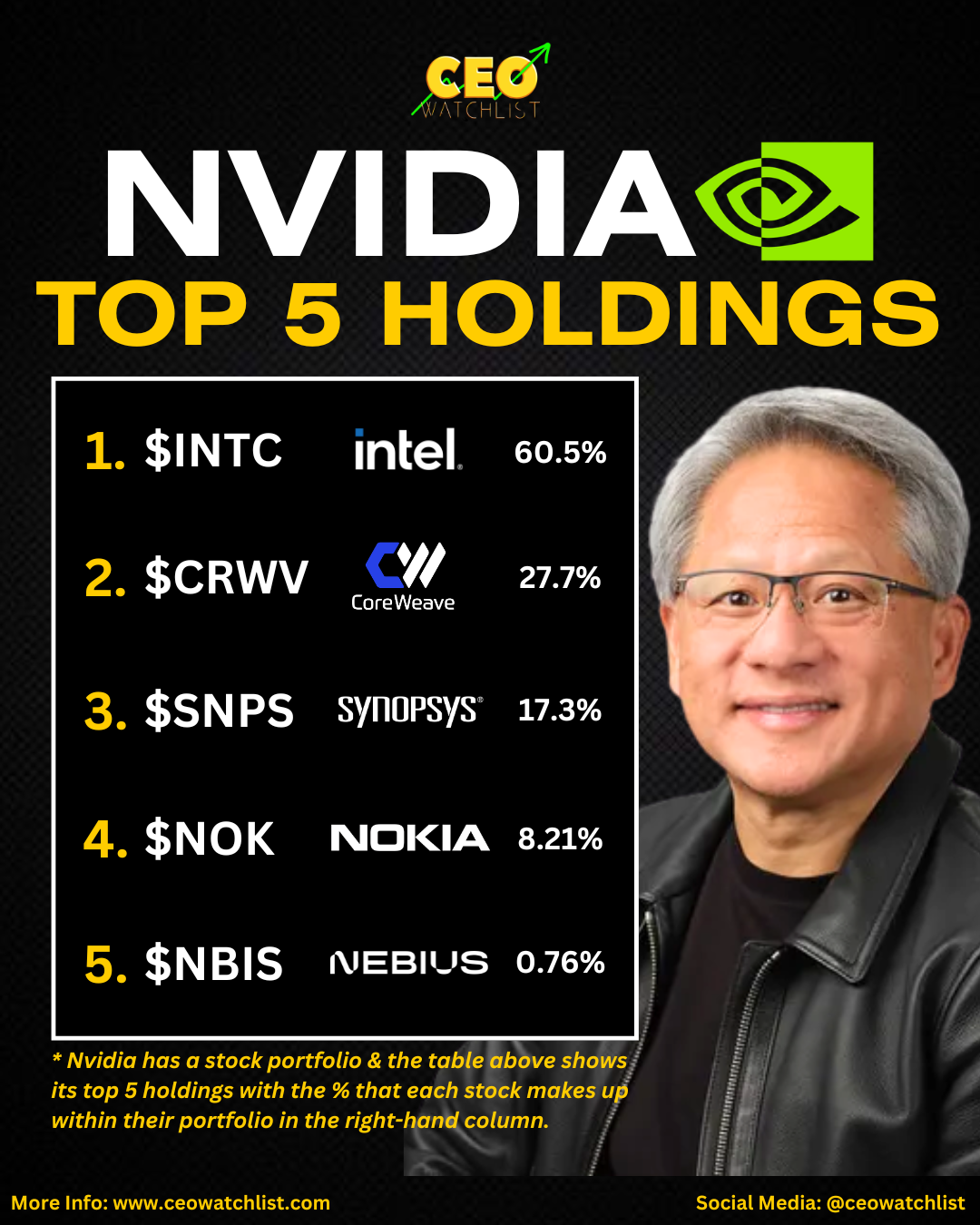
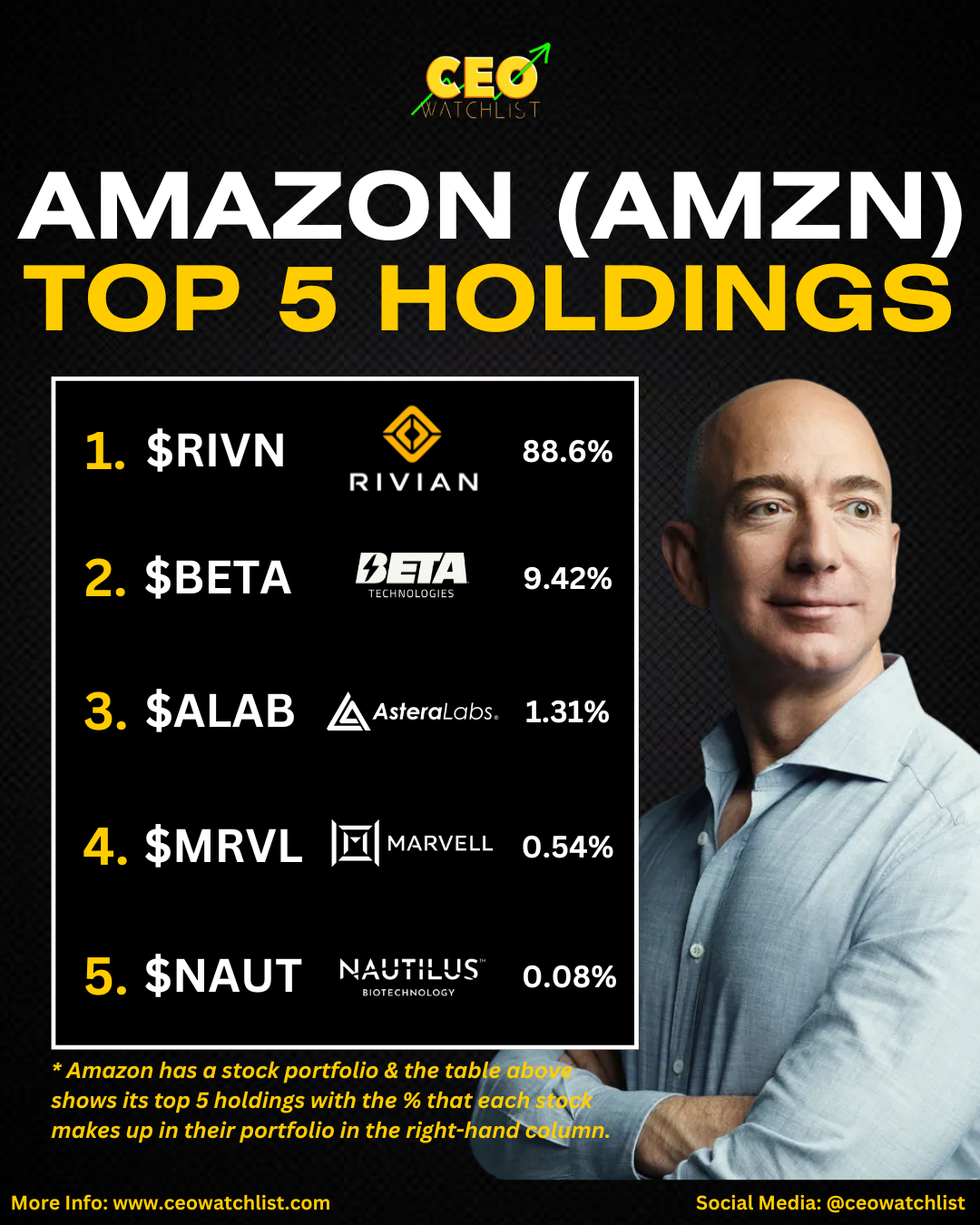
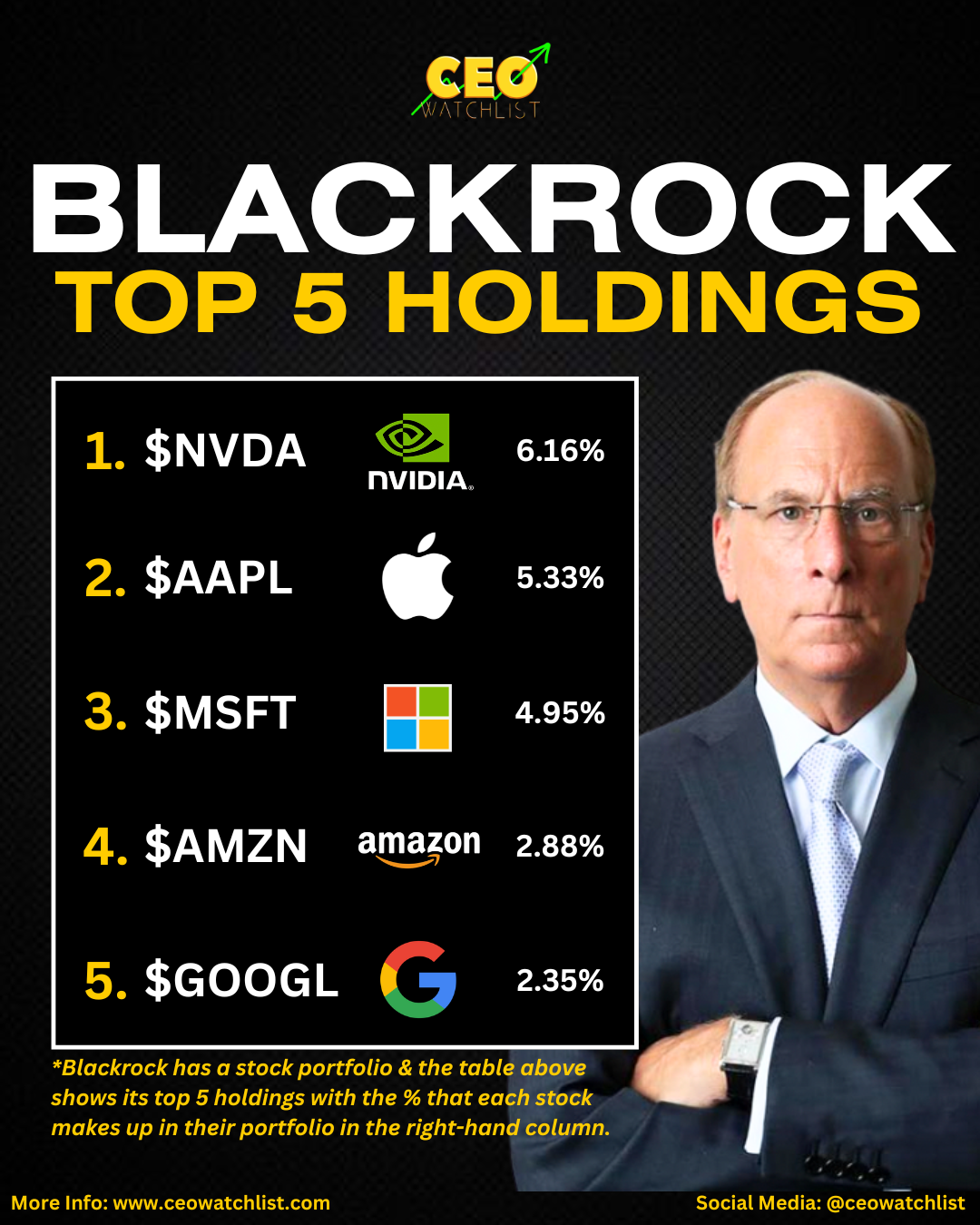
INFOGRAPHICS FOR THE WEEK:

CONTACT US: [email protected]
Responses