
TOP NEWS AFFECTING THE STOCK MARKET THIS WEEK:
The SEC Just Dropped a Golden Ticket in Your Brokerage Account. Did You Notice? (Source)
Stocks mentioned: $IWM, $HOOD, $BULL
For over two decades, the "Pattern Day Trader" (PDT) rule acted as a structural glass ceiling for the American middle class. Established in 2001 in the wake of the dot-com bubble, the rule mandated that any investor with less than $25,000 in their margin account was barred from making more than three day-trades in a rolling five-day period. It was, in essence, a "wealth test" for market agility. Regulators argued it protected small investors from volatility, but in practice, it simply handcuffed them, preventing those with modest accounts from cutting losses quickly or capitalizing on intraday momentum. Last week, the SEC finally dismantled this barrier, replacing the blunt $25,000 requirement with a modernized, real-time risk monitoring system. Why does this matter though? Well for investors who have been handcuffed by this rule are now able to trade more, and that in turn leads to more liquidity in the market. When you have more liquidity in the market, stocks move more, and certain companies are direct beneficiaries of that. Now, which companies benefit directly from this? That's exactly what we're going to cover in this article.
First, let's make something clear, the implications of this shift cannot be overstated. With the average Robinhood account balance historically hovering well below the $25,000 mark (estimated around $10,000 to $12,000), millions of users who were previously "sidelined" after their third trade of the week are now fully unleashed. This is a massive injection of liquidity and velocity. We expect to see a "volatility flywheel": more participants lead to more frequent price movements, which in turn attracts more day traders looking for action. It’s no longer just a marketplace; it’s an all-day, high-frequency arena for the retail masses. This surge in activity will likely drive unprecedented volume in small-cap stocks (IWM) and options, fundamentally changing how the market breathes on a minute-to-minute basis.
We view this policy change as an overwhelming "Buy" signal for Robinhood (HOOD). Robinhood’s business model is built on the "flywheel" of engagement; they make money through net interest income on margin and, crucially, through payment for order flow and transaction rebates. In simple terms, all this means is that more trades equal more revenue. Their user base is the most "day-trade ready" demographic in the world ... young, tech-savvy, and highly active! Furthermore, Robinhood is expanding its surface area into speculative event markets, such as the upcoming 2026 FIFA World Cup and the U.S. Midterm elections, where intraday news cycles demand the ability to trade without restrictions. When you combine this regulatory tailwind with the fact that Robinhood was recently selected by the Treasury as the primary partner for the "Trump Accounts", which is a massive long-term catalyst for child investment savings, the growth trajectory is staggering! And this doesn't even factor in a possible crypto rally that is long overdue. For those that don't know, Robinhood's stock tends to be directly correlated with the direction of the crypto markets, which is why the stock has been beaten up so much this year. If crypto can rally, we have no doubt that Robinhood could see over 100% gains over the course of the next 12 months.
Of course, a move this disruptive invites valid criticism. Skeptics argue that removing the $25,000 cushion will lead to "gamified" gambling and a spike in retail blowouts. There is a legitimate risk that increased speculation could lead to heightened regulatory scrutiny if a market downturn leaves thousands of small accounts wiped out. However, the counterpoint is that modern technology, real-time margin tracking and instant risk assessments, is a much more surgical tool for safety than an arbitrary 25-year-old dollar figure. While other platforms like Webull (BULL) stand to gain, and legacy giants like Fidelity or Schwab will see a bump in activity, they lack the cultural "stickiness" and product velocity of Robinhood. Robinhood remains the best risk-to-reward play in this new era because they own the interface where the next generation of capital lives.
To summarize, the SEC has removed a fundamental bottleneck, transforming the retail landscape from a restricted zone into an open-access arena. This is a structural regime shift that favors the nimble, the digital-native, and the aggressive. We recognized this early and notified our Investment Club Members during our daily private live trading sessions this past week, that we were buying Robinhood heavily. As usual, we always put out a post to summarize our trades to the group everyday, as can be seen down below:
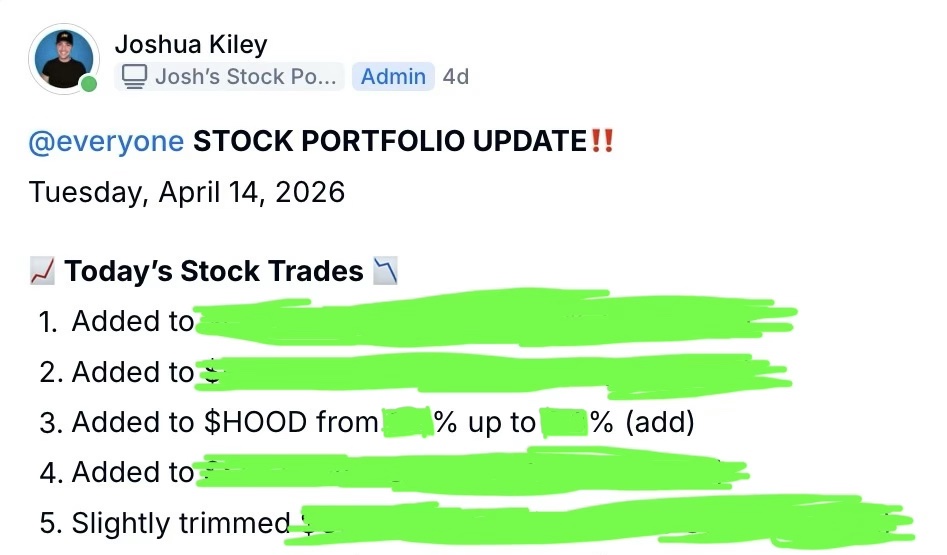
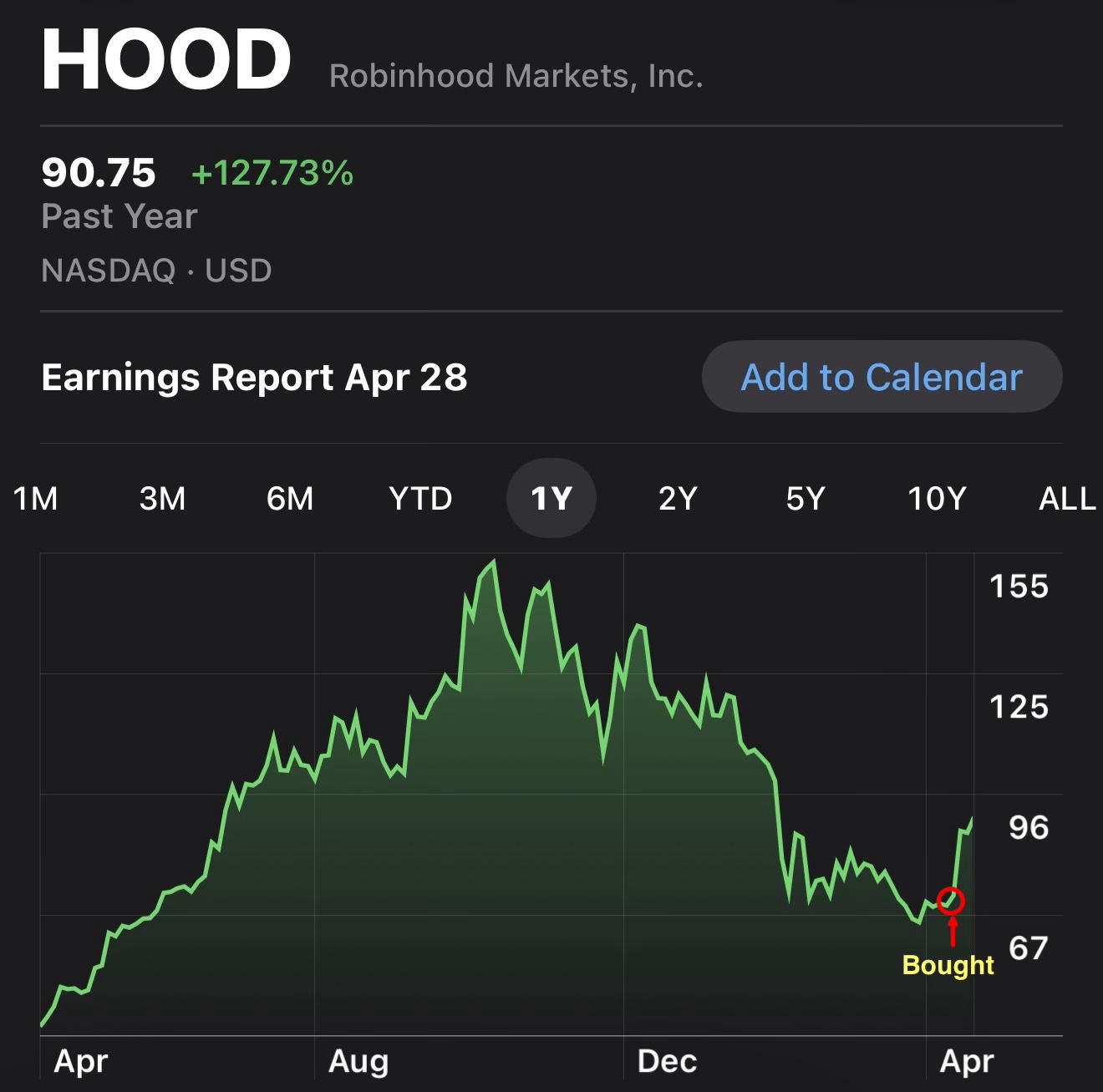
Obviously, the timing couldn't have been any better, as we bought right at the bottom with Robinhood surging over 30% this past week.
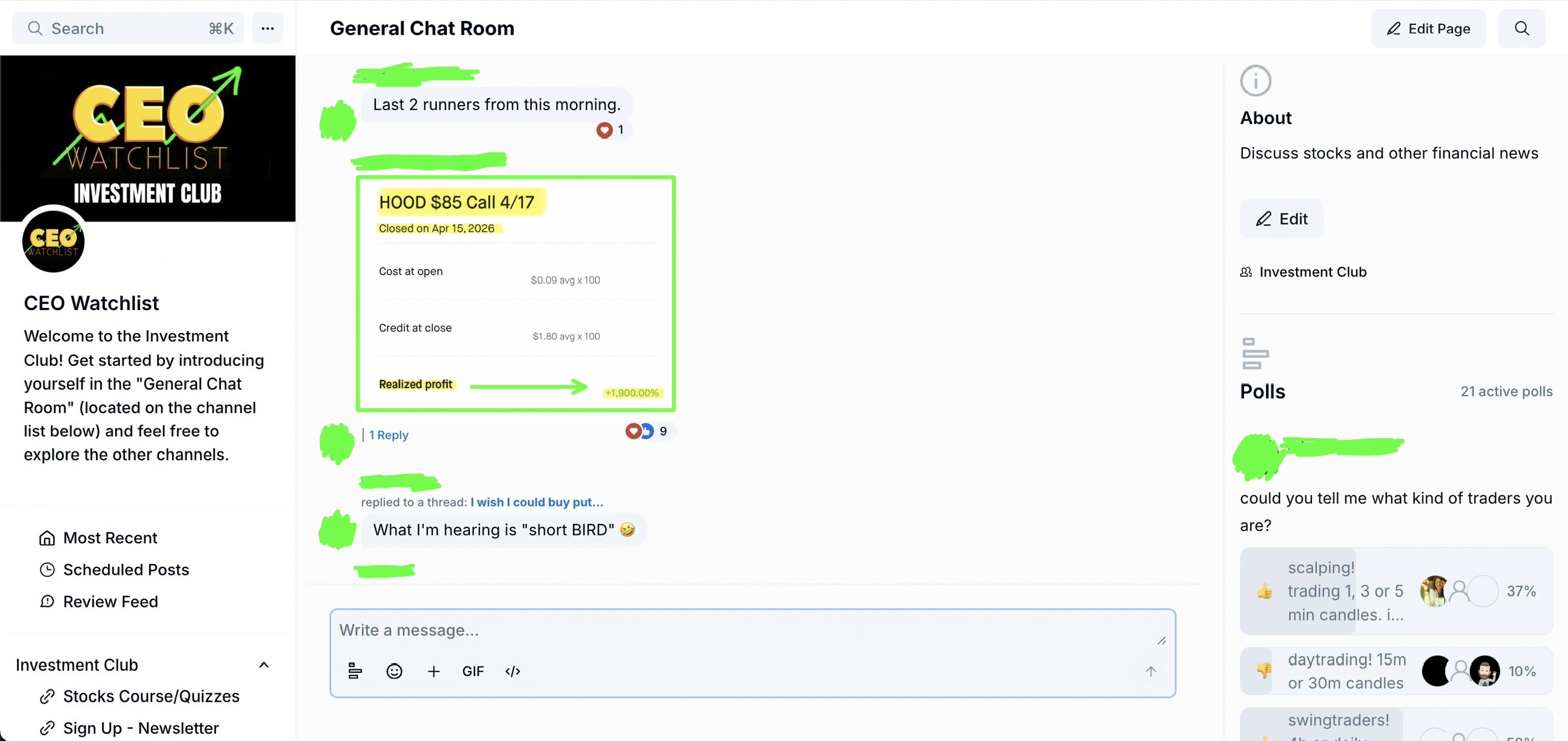
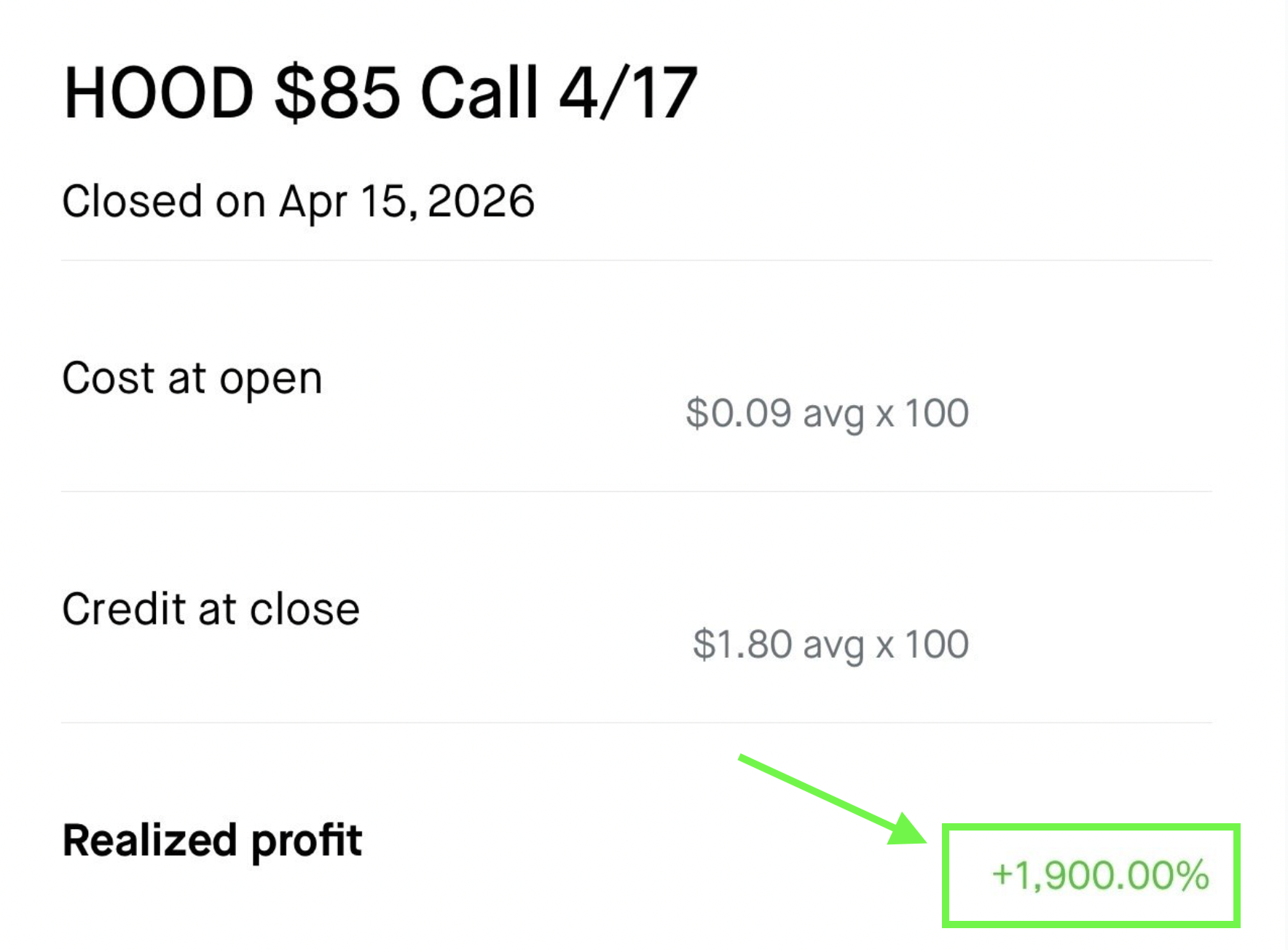
But it wasn't just us who made a killing, even our students took out bullish positions on Robinhood and by utilizing call options (instead of buying shares) were able to turn this single trade into a staggering 1,900% gain, as you can see in the screenshot below:
If you're tired of consistently making mistakes in the market, whether that's buying a stock and seeing it crash right after, or selling a stock and seeing it go up everyday right after selling it, then now is the time to join the CEO Watchlist Investment Club. You'll be granted access to our daily private live trading classes, where we'll be walking you through every stock we buy and sell throughout the week, in real time. Not just that, but you'll get access to our entire stock and option trading portfolios, live training calls with me directly every week, plus much more! We are currently running our Newsletter Exclusive Offer which grants you $200 OFF, permanently, when you join today. [CLICK HERE] to take advantage of this offer before it ends.

Earnings Week 2: The 5 Stocks We’re Watching (Source)
Stocks mentioned: $GS, $JPM, $ASML, $TSM, $NFLX, $ISRG, $GEV, $NEE, $TSLA, $NOW, $INTC
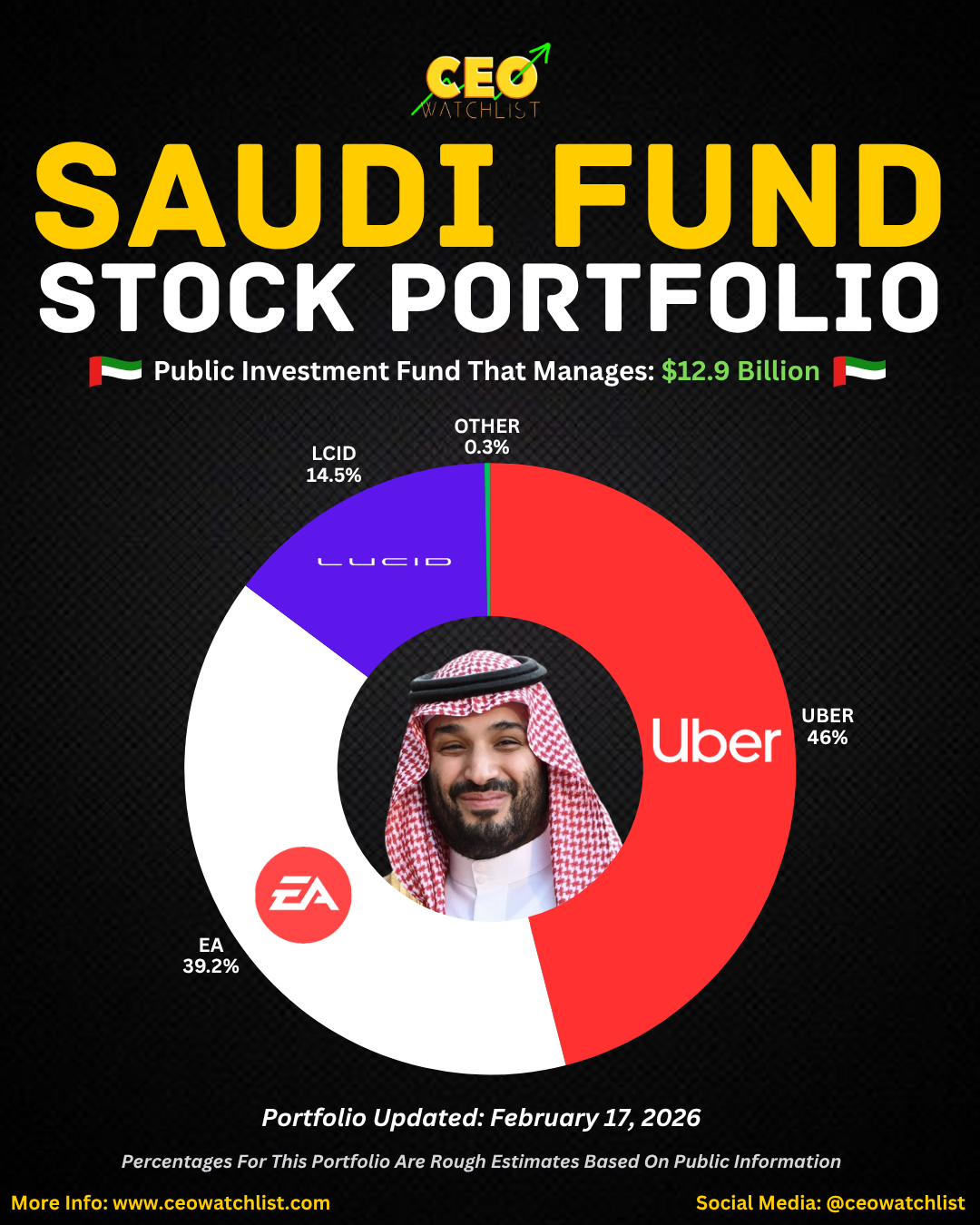
The market’s violent V-shaped recovery, catalyzed by the US-Iran ceasefire, has held its ground, but the "easy" sentiment-driven gains are now in the rearview mirror. Last week’s gauntlet of big-bank and tech earnings served as a crucial reality check. While Goldman Sachs (GS) and JPMorgan (JPM) showcased a resilient consumer, the semiconductor narrative became more nuanced as ASML (ASML) and Taiwan Semiconductor (TSM) grappled with export-control anxieties despite strong backlogs. Meanwhile, Netflix (NFLX) dropped massively due to light guidance, as well as one of the co-founders of Netflix, Reed Hastings, announcing that he would be stepping down. But all of that is in the past, now we need to look into the future for what's coming up this week...
We are entering a week defined by economic cross-currents. While peace in the Middle East seems to be progressing, the volatility hasn't vanished, and we expect some geopolitical issues coming into the start of this week, which could cause significant volatility in some of the highest flying stocks in the market. Investors must now balance the recent all time highs in the stock market with increased risk to the downside from any fallouts geopolitically, and then try to tie all of that into earning reports from some of the biggest companies in the world. From macro speculation to micro-analysis, this week will be one that separates a good trader from a great one. To navigate this next phase of the cycle, we are zeroing in on these five critical names:
- Intuitive Surgical (ISRG): The bull case relies on a 15% surge in Da Vinci surgical procedures and a clear path to margin expansion through the integration of AI-assisted diagnostic tools. Conversely, the bear case warns that hospital capital expenditure budgets are tightening, which could delay the adoption of their latest generation hardware. This is what we would consider our favorite medical robotics play in the entire market, and with its recent pullback, it marks a much more attractive entry than where we saw it this same time last year.
- GE Vernova (GEV): Bulls argue that as a pure-play on the global energy transition, the company is perfectly positioned to capture the massive grid-modernization spending hitting the 2026 budget. The bear case points to lingering supply chain fragilities in the offshore wind sector that could continue to weigh on quarterly profitability. One other name reporting this week in the utilities sector that we like a lot is NextEra Energy (NEE) so makes sure to keep your eyes on both of these names over the coming week.
- Tesla (TSLA): The bull case is anchored in a projected recovery of delivery volumes and the long-awaited scaling of the "Model 2" mass-market platform. However, the bear case highlights intensifying price wars in China and a potential slowdown in EV adoption as high interest rates deter retail buyers.
- ServiceNow (NOW): Bulls see a "best-in-class" enterprise play that is successfully monetizing generative AI through its Pro Plus tiers, driving massive contract renewals. The bear case suggests that if enterprise software budgets are consolidated, the stock’s premium valuation leaves it vulnerable to any slight miss in guidance. We expect a really strong earnings report from ServiceNow, and is probably one of the best stocks risk/reward-wise in the entire market.
- Intel (INTC): The bull case focuses on the successful 18A process node ramp and its pivotal role in the "CHIPS Act" domestic foundry strategy. The bear case, however, remains skeptical of Intel’s ability to reclaim market share from fabless competitors while funding its massive multi-billion dollar capital expenditure program.
We are looking for more than just earnings beats; we are looking for guidance that gives us peace of mind that these companies have a clear runway of growth during such volatile economic and geopolitical times. If these bellwethers can prove they have the pricing power to maintain margins, the rally can continue. If they falter or geopoliticial instability ticks up, then this last week's ceasefire euphoria in the Middle East will evaporate as quickly as it arrived. For those of you who are members of the CEO Watchlist Investment Club, please make sure to have your notifications turned on in the app. If they aren't turned on yet, then you can [CLICK HERE] to login and adjust your settings! We will be providing real-time updates and deep-dive analysis as these reports break live, ensuring you have the context needed to trade the volatility.
"Super Investor" Spotlight: Public Investment Fund (Saudi Fund) (Source)
Stocks mentioned: $UBER, $EA, $LCID, $CTEV, $ALUR.WS
This week’s "Super Investor" Spotlight focuses on one of the most powerful financial entities on the planet: the Public Investment Fund (PIF), commonly known as the Saudi Fund. For those just joining us, a "Super Investor" is a high-impact fund manager or institution that manages billions of dollars and has the power to shift entire markets with a single trade. Because the PIF manages a massive portion of Saudi Arabia’s sovereign wealth, they are required to file a 13F for their U.S. equity holdings, allowing us to see exactly how they are diversifying away from oil and into the future of technology and entertainment.
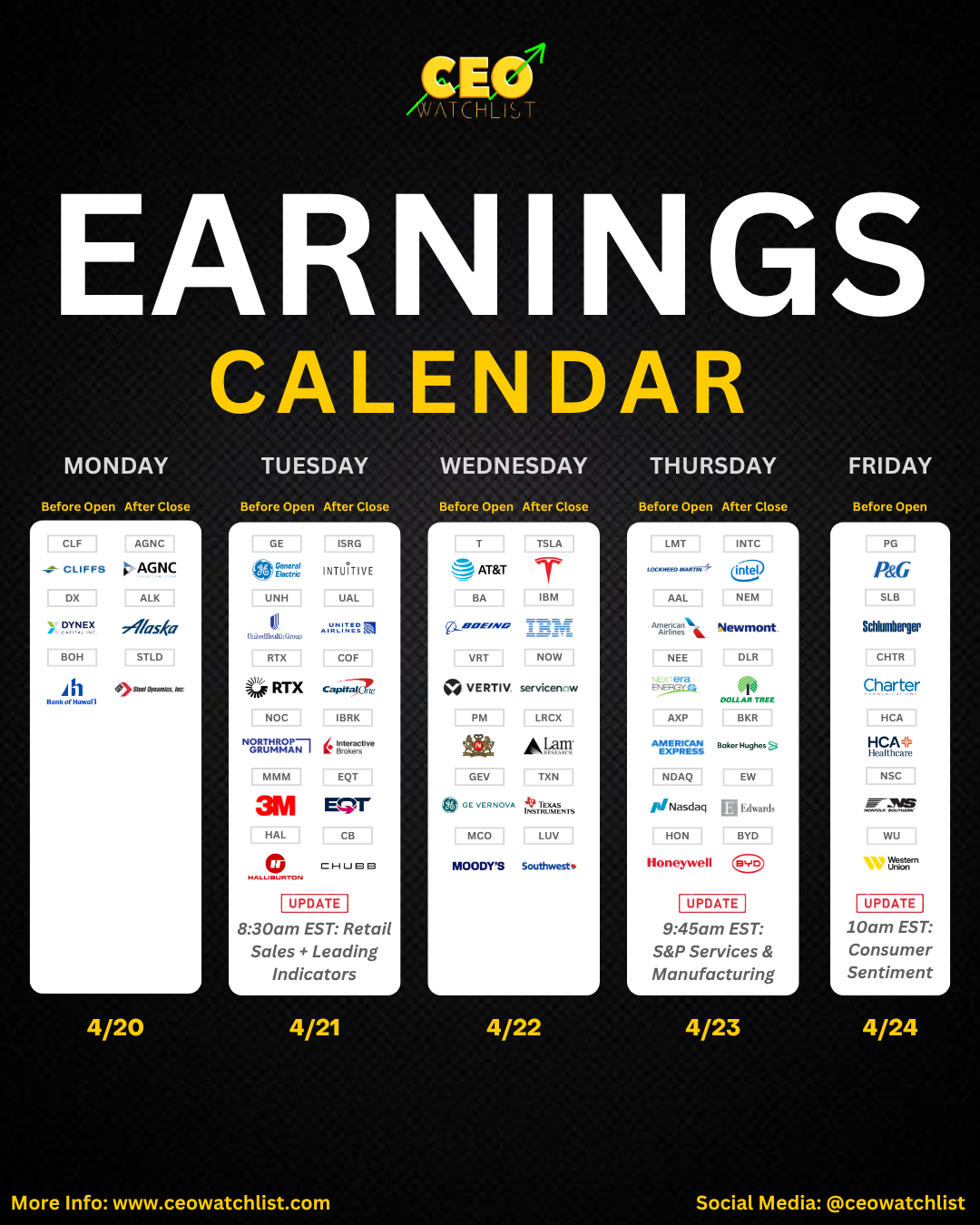
The PIF’s latest update showcases a "Super Investor" with an extreme appetite for concentration and "category killers." While most sovereign wealth funds diversify across dozens of stocks, the Saudi Fund’s U.S. portfolio of roughly $12.9 billion is dominated by just 3 massive bets. They aren't interested in "tracking the index"; they are interested in owning the dominant players in ride-sharing, gaming, and electric vehicles. Here is their 5 stock portfolio:
- Uber Technologies (UBER) – 46.0%
- Electronic Arts (EA) – 39.2%
- Lucid Group (LCID) – 14.5%
- Claritev (CTEV) - 0.2%
- Allurion Technologies (ALUR.WS) - 0.1%
The sheer scale of their conviction in Uber (UBER) is staggering. By allocating nearly half of their U.S. portfolio to the ride-hailing giant, this "Super Investor" is betting that the global shift toward "transportation-as-a-service" is still in its early innings. Similarly, their 39% stake in Electronic Arts (EA) signals a massive belief in the turnaround story for the once leader in the gaming industry. This isn't just a portfolio; it’s a strategic map of where they believe the next decade of consumer spending will happen.
What makes the PIF a unique "Super Investor" is their "infinite" time horizon. Unlike a hedge fund that might worry about a bad quarter, the Saudi Fund invests for decades. This is most evident in their continued support of Lucid (LCID), where they remain the majority shareholder despite the volatility in the EV sector. Their strategy is to provide the massive capital necessary for these companies to scale until they become "un-disruptable" monopolies. So for the average investor, the Saudi Fund strategy probably wouldn't make a lot of sense, but it is always nice to see where their long-term conviction is, becuase if you were sitting on the fence about owning Uber or Electronic Arts, seeing the high conviction the Saudis have in these names may sway your decision one way or the other. Compared to other "Super Investors" we track for you all, the Saudi Fund is NOT one we pay as much attention to, as their time horizon is way too long to maximize short-term gains. At CEO Watchlist, our goal is to focus on high-growth investing that yields high returns and we believe that by following the Saudi Fund, it would hinder our gains. With that being said, we give the Saudi Fund portfolio a 4/10.
INSIDER STOCK TRADES FROM THE WEEK:
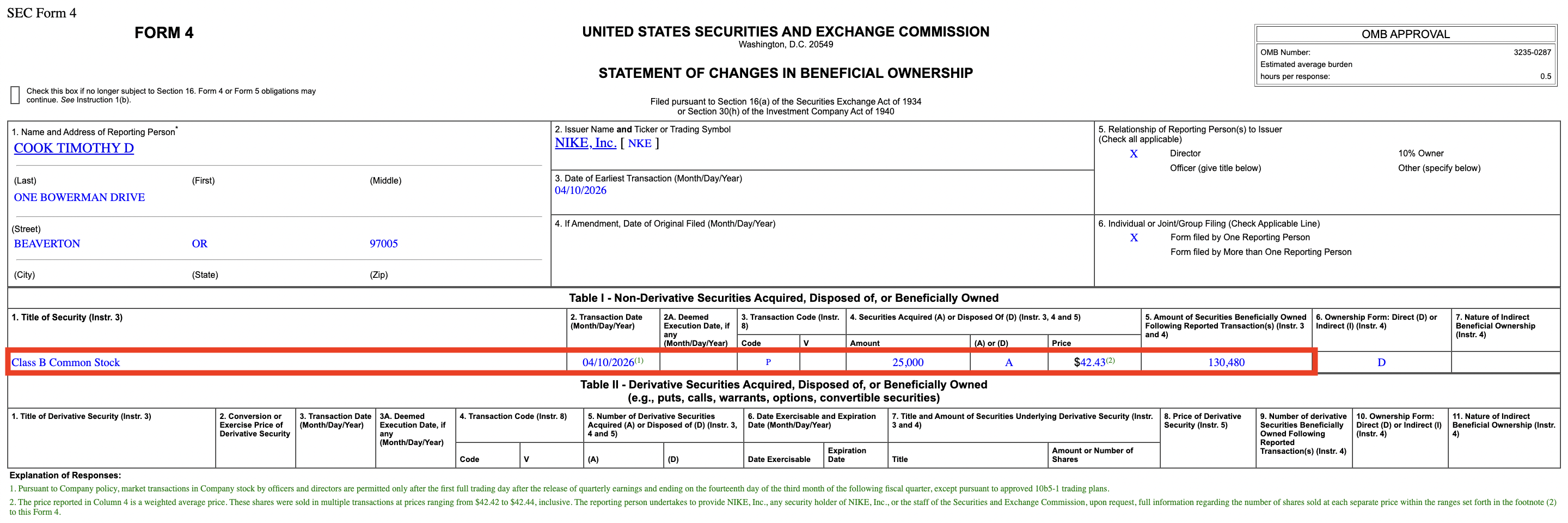
1. Nike (NKE) - Tim Cook (CEO of Apple) bought roughly $1,000,000 worth of NKE at an average price of $42.43/share on April 10, 2026, but it wasn't reported to the public until April 14, 2026. (Source)
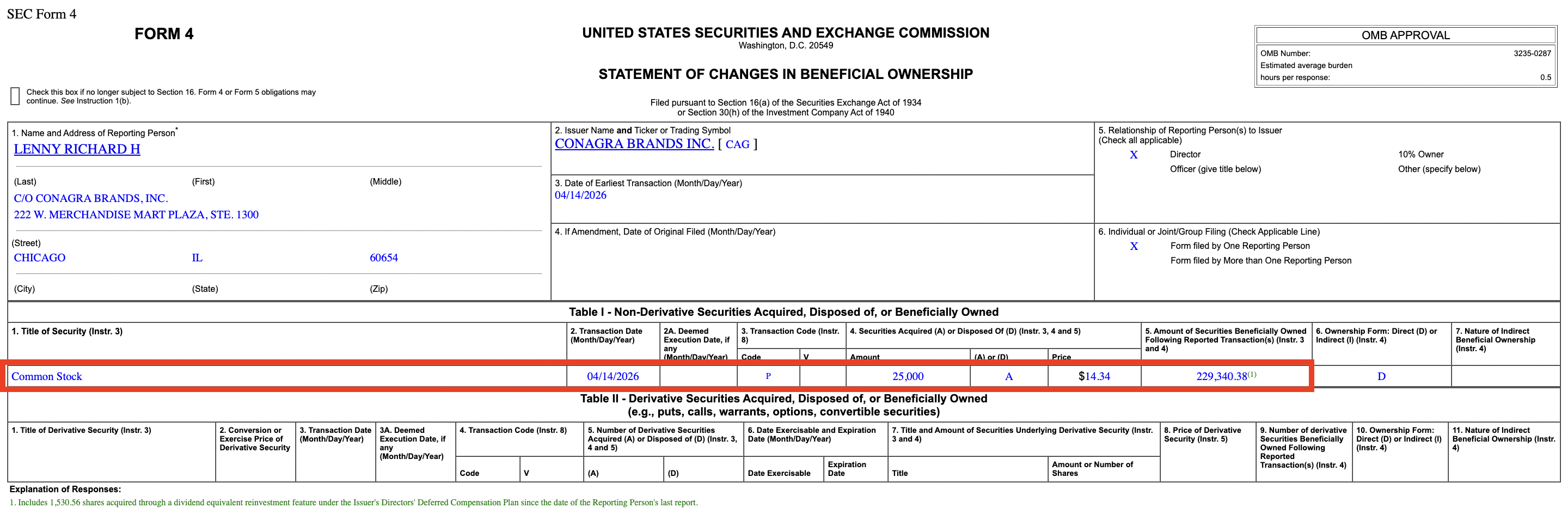
2. Conagra Brands (CAG) - Richard Lenny (Director) bought roughly $400,000 of CAG at an average price of $14.34/share on April 14, 2026, but it wasn't reported to the public until April 15, 2026. (Source)
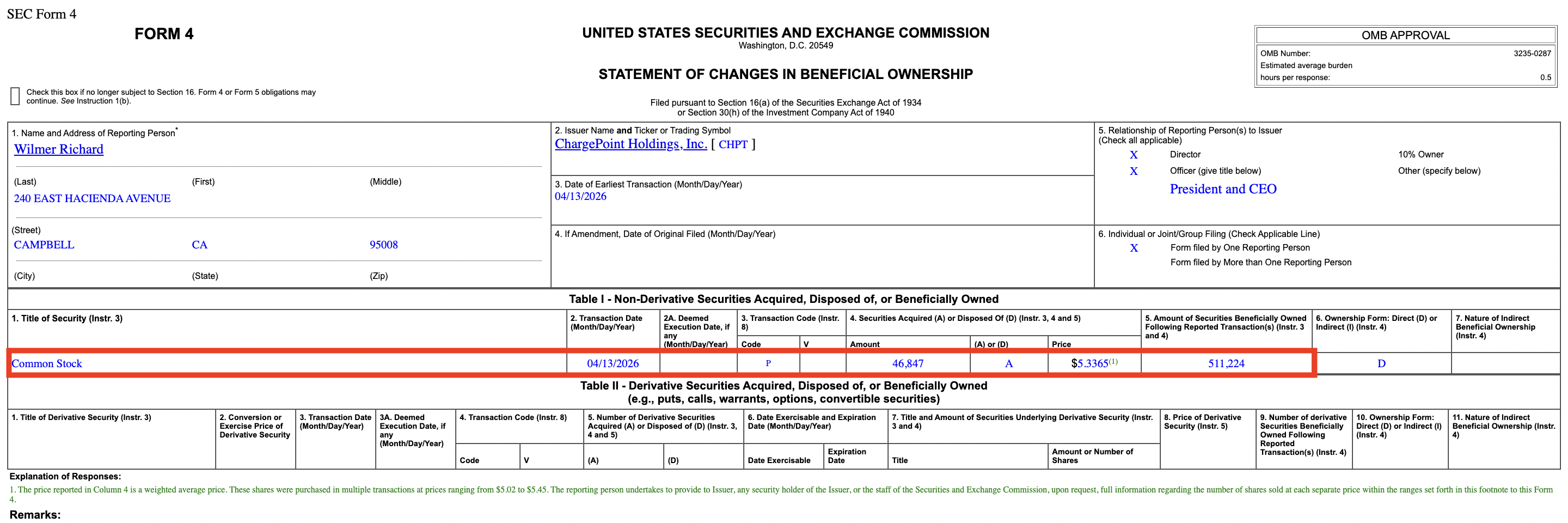
3. ChargePoint (CHPT) - Richard Wilmer (CEO) bought roughly $250,000 of CHPT at an average price of $5.33/share on April 13, 2026, and it was reported to the public later that same day. (Source)
Over 2,000 people have already signed up for my FREE Masterclass video on how to unlock my exact strategies for finding winning stock/options trades! I'll share everything including how to find what Politicians and CEOs are buying. Don’t miss your chance to get in for FREE before spots fill up!

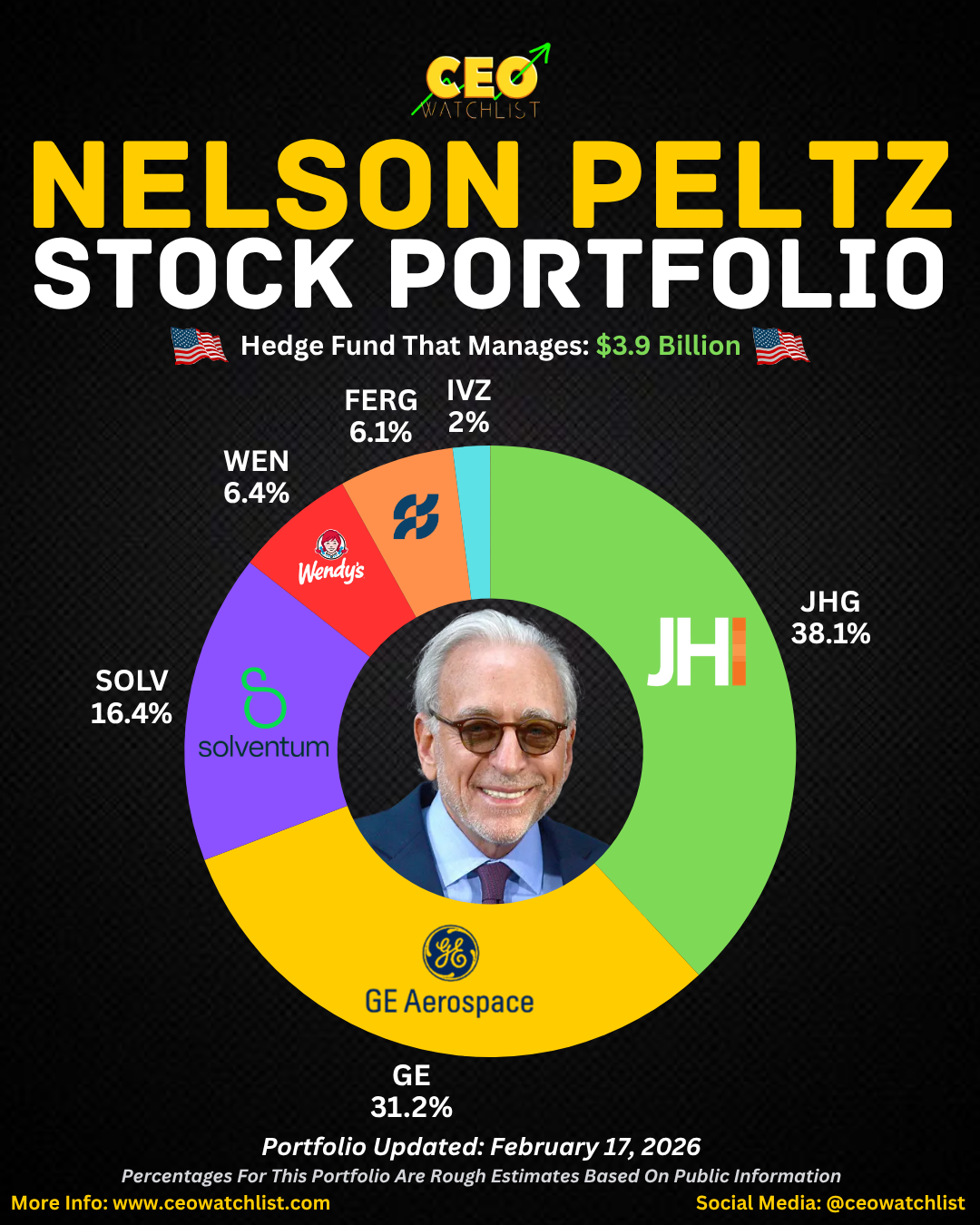
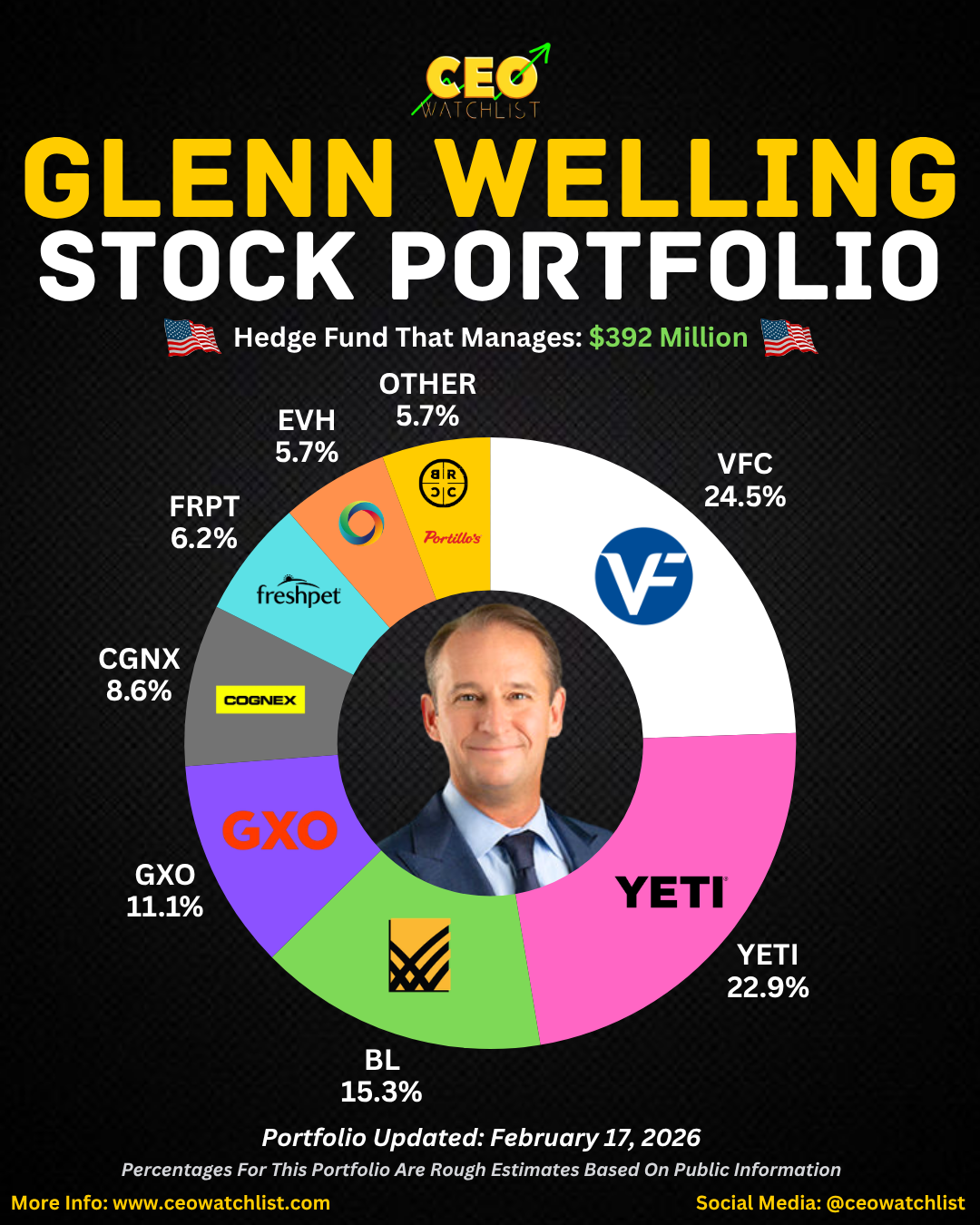
INFOGRAPHICS FOR THE WEEK:

CONTACT US: [email protected]
Responses