
TOP NEWS AFFECTING THE STOCK MARKET THIS WEEK:
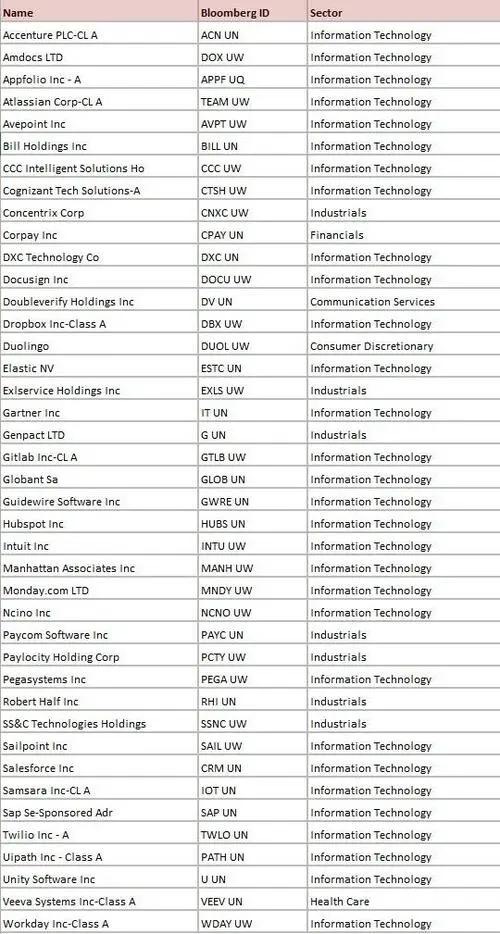
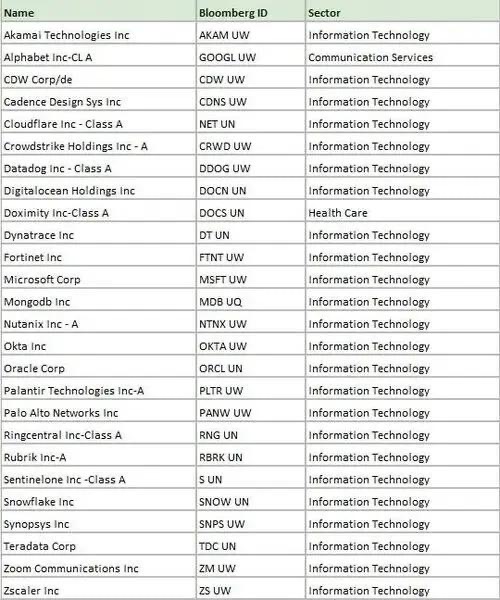
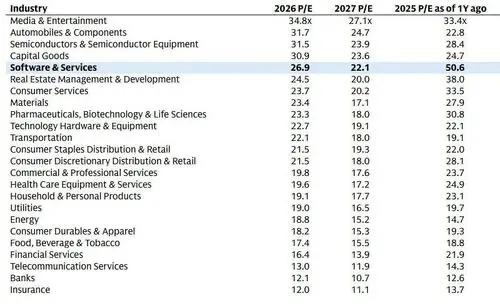
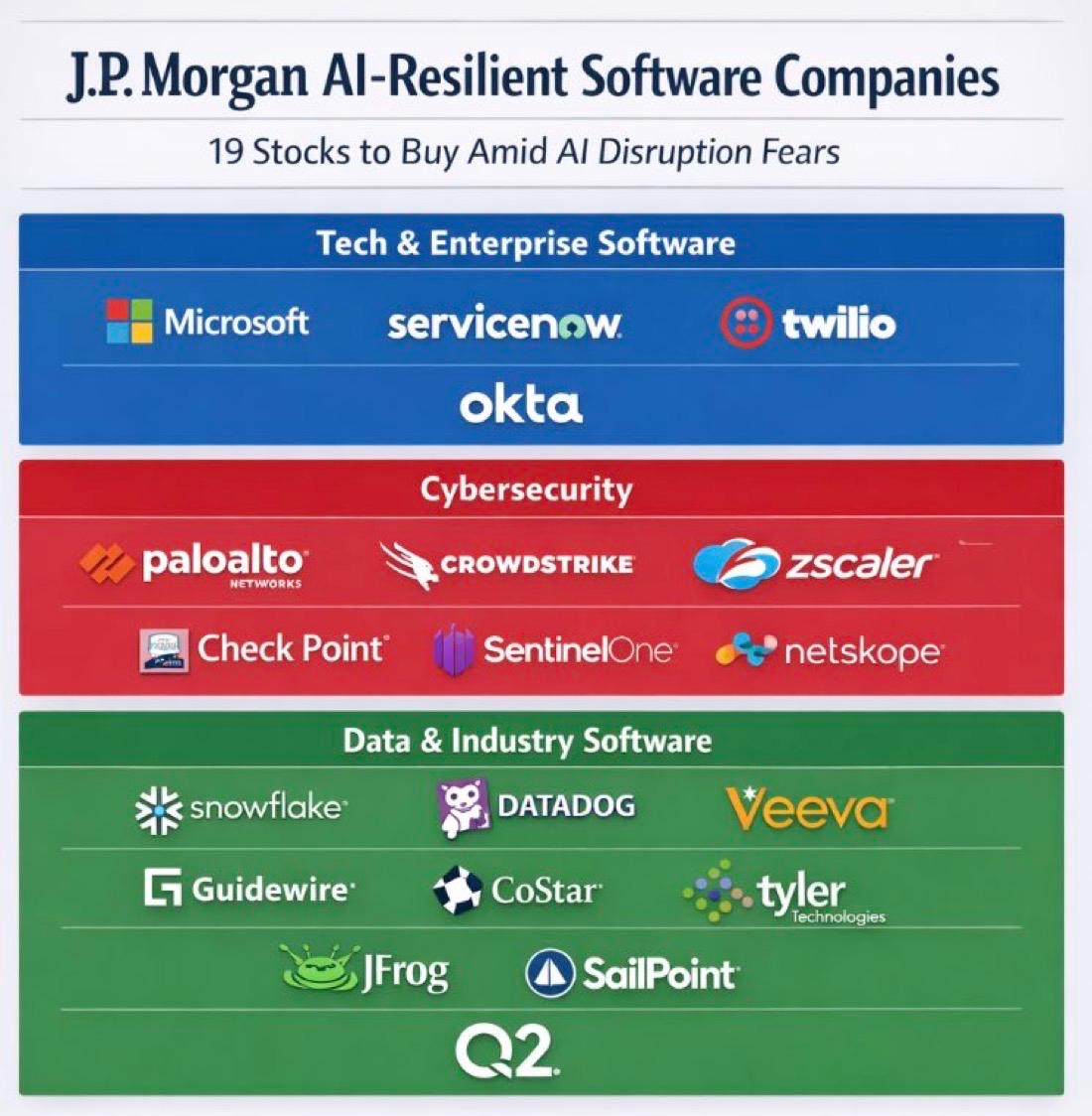
Goldman Sachs List Of Software Stocks To Buy Today and Those To Sell (Source)
Stocks mentioned: $DUOL, $IT, $CRWD, $NET, $GOOG, $CDNS, $SNPS
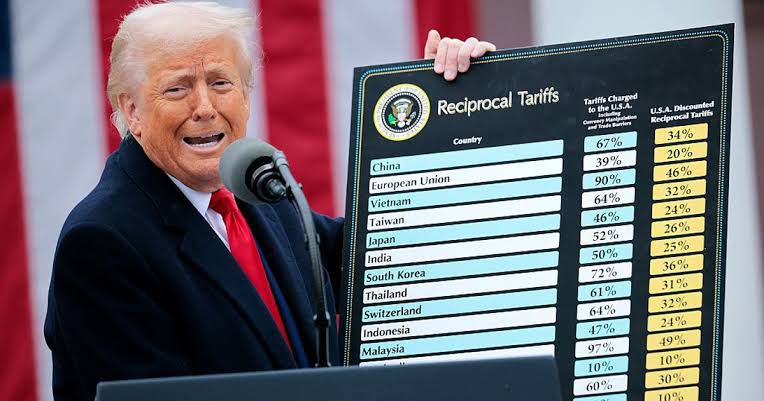
Supreme Court Rules Against Trump Tariffs: 1 Stock To Own, 1 Stock To Sell... (Source)
Stocks mentioned: $AMZN, $USAR
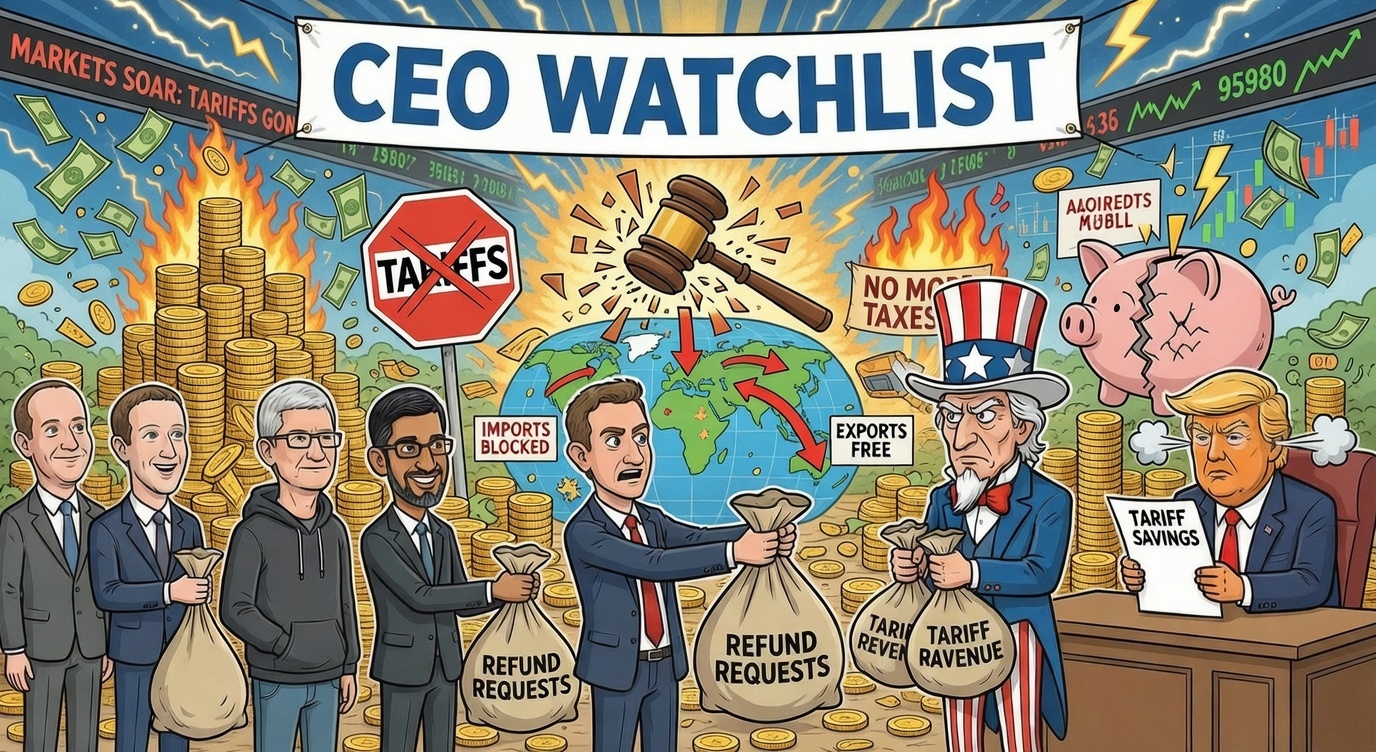
This past Friday, the biggest story dominating the headlines was President Trump and the massive legal battle over his tariffs. To give you some context on how we got here: last year, the administration bypassed Congress to impose sweeping tariffs by invoking the International Emergency Economic Powers Act (IEEPA) which caused the stock market to crash. The White House argued that trade imbalances were a national emergency, but a coalition of tech giants and retailers quickly appealed. They argued that the President was essentially creating a "hidden tax" on Americans without the proper legal authority. On Friday, the Supreme Court finally stepped in and ruled 6-3 against the administration. The Court explained that while the President has power over foreign policy, he cannot unilaterally tax imports under the guise of an "emergency." This means the tariffs were ruled illegal because only Congress has the constitutional power to set taxes and regulate trade.
But what does this mean for stocks? Due to this ruling, we're going to see some clear winners and losers emerge in the markets, which was evident on Friday, after the news broke. The one stock we see as a clear winner and would be buying at current levels is Amazon (AMZN). Amazon functions as both a massive retailer and a logistics provider. Thousands of small businesses, known as "Third-Party Sellers", rely on imports to stock their digital shelves. These tariffs acted as a "hidden tax" that squeezed these small businesses and forced them to raise prices. The Court’s ruling helps stabilize this entire ecosystem, keeping consumer prices lower and driving more sales volume through Amazon’s platform. Additionally, shipping and fulfillment costs were starting to weigh on Amazon's financials, so if there is an official removal of these tariffs, it's going to be a net benefit to their balance sheet, as well as a relief to their third party sellers. When the cost of doing business drops for millions of sellers, Amazon wins. Amazon, which has recently been a laggard, ended Friday up over 2.5%, and we think this is a name that as long as the tariffs are pulled back, could retest their highs at $250/share. The nice thing about Amazon is it doesn't just have good upside with this new tailwind, but also, limited downside in our opinion over the next year. This may just be the best catch-up trade of 2026.
On the other hand, a sector of the market that causes concern for us is the rare earth market. For those that don't know, this was a very hot sector last year because of Trump's tariffs and the push towards domestic onshoring. At the time, one of the most talked about names on Wall Street was USA Rare Earth (USAR), which rallied over 200% last year alone. The problem with rare earth stocks is that they are highly sensitive to trade policy because their business model relies on a protected domestic market. When the Supreme Court striked down Trump's ability to unilaterally impose his tariffs, it caused the stock to sell off over 6% in a single day. The reason this ruling was so brutal to rare earth stocks is because China is the main competitor who controls 90% of global processing of rare earths. Because of this, they can offer them at a much cheaper rate than what the U.S. can process them for, which allows them to keep the pricing below the cost of production for new U.S. mines like USAR. Trump's tariffs from 2025 acted like a barrier that effectively kept domestic prices high enough for USAR to compete with China and stay profitable. Without those tariffs in place, the cheaper Chinese imports can enter the U.S. market again, making it more difficult for U.S.-domestic producers to compete on price. This is why USAR is a stock we wouldn't touch here.
But there is a big caveat. We have to remember that Trump does have other means to impose restrictions and tariffs on other countries outside of IEPPA. If for some reason Trump does take a more "aggressive" stance and looks towards other avenues to reinforce his original tariffs, but in a different manner, these trades could reverse themselves. And just as easily as we like Amazon today, and don't like USAR, tomorrow that sentiment could flip. These are just 2 of the stocks we are monitoring, but inside the CEO Watchlist Investment Club, we wrote multiple articles on what this decision could mean for the market moving forward, as well as all of the stocks we are currently buying and selling for our portfolios, based on this news. If you're an Investment Club Member [CLICK HERE] to log in and get access to all of the articles we wrote over the past few days, as well as to view our updated stock and option portfolios.
If you're not an Investment Club member, and you're struggling to figure out how to take action on major news events like this, then we would recommend signing up for the Investment Club by [CLICKING HERE] for access to our exclusive newsletter offer. Just to show you how we were able to capitalize on this news event, during our live trading class on Friday, we saw this setup coming, and took call option positions. But it wasn't just us who took these positions, it was also the students who have been learning these strategies, from us, inside the Investment Club. Sure enough, as the ruling hit the wires, the market shot up and those trades that the students took delivered gains of 100-200% within only 5-10 minutes, as you can see below:

We’ve posted the screenshots above not to brag, but to show you exactly what our students are capable of achieving inside the Investment Club. While this market has been incredibly difficult for most investors to navigate, our strategies have consistently identified high-conviction trades, and netted us massive profits. If you’re tired of missing out, and want to finally be in the room for the next big move, then [CLICK HERE] to join the Investment Club. To make the decision even easier, we are giving you $200 OFF for being a newsletter subscriber. We look forward to welcoming you into the CEO Watchlist Investment Club.
"Super Investor" Spotlight: Bill Ackman (Source)
Stocks mentioned: $META, $AMZN, $GOOGL, $BN, $UBER, $GOOG, $QSR, $HHH, $HLT, $SEG, $HTZ
This week’s "Super Investor" Spotlight shines on multi-billionaire Bill Ackman, who is the founder of Pershing Square Capital Management. For new readers, “Super Investors” are the elite class of fund managers who oversee billions of dollars and consistently beat the market. Every quarter, their mandatory 13F filings give us a rare window into how top money managers allocate capital. Ackman has built a legendary reputation as a high-stakes, concentrated activist investor who historically forced turnarounds, but he has evolved into a master of holding ultra-high-quality, compounding businesses. With a solid long-term track record of generating significant returns that outperform the S&P500, Ackman’s latest multi-billion-dollar portfolio moves demand immediate attention.
In his Q4 2025 filing, that was just released this past week, Ackman bought and sold some very important companies in his concentrated $15.5 billion portfolio. The 2 biggest changes to his portfolio is that he initiated a massive 11.37% position in Meta Platforms (META) and increased his Amazon (AMZN) stake by an explosive 65%. To fund these 2 moves, he ruthlessly slashed his Google (GOOGL) shares by 86%, bringing the position down to a measly 1.4%. But before you get up in arms about this sell and think Ackman is bearish on Google, we have to remember that he owns both classes of shares of Google; GOOG and GOOGL. As for his GOOG shares, they still remain 12.5% of the portfolio. When you add these 2 together, you get a total of 13.9% in Google stock, which would technically make it his 4th largest position.
Here is the complete breakdown of Ackman's tightly concentrated 11-stock portfolio:
- Brookfield Corp. (BN) - 18.1%
- Uber Technologies Inc. (UBER) - 15.9%
- Amazon.com Inc. (AMZN) - 14.3%
- Alphabet Inc. CL C (GOOG) - 12.5%
- Meta Platforms Inc. (META) - 11.4%
- Restaurant Brands International (QSR) - 10.0%
- Howard Hughes Holdings Inc. (HHH) - 9.7%
- Hilton Worldwide Holdings (HLT) - 5.6%
- Alphabet Inc. (GOOGL) - 1.4%
- Seaport Entertainment Group (SEG) - 0.6%
- Hertz Global Hldgs Inc. (HTZ) - 0.5%
The paramount lesson everyday investors can extract from Ackman’s latest portfolio shift is the undeniable power of ruthless concentration. Retail investors often fall into the trap of "diworsification", which is spreading their money so thinly across dozens of mediocre stocks, that the returns of their best ideas are completely diluted. Ultimately, we like Bill Ackman's investing style because he does the research, builds conviction, and then stakes his reputation on a dozen names when managing $15.5 billion. To have been doing this as long as he has, and consistently outpeforming the market is an impressive feat, in it of itself. Out of all the "Super Investors", we believe Ackman has one of the best portfolios for 2026.

INSIDER STOCK TRADES FROM THE WEEK:
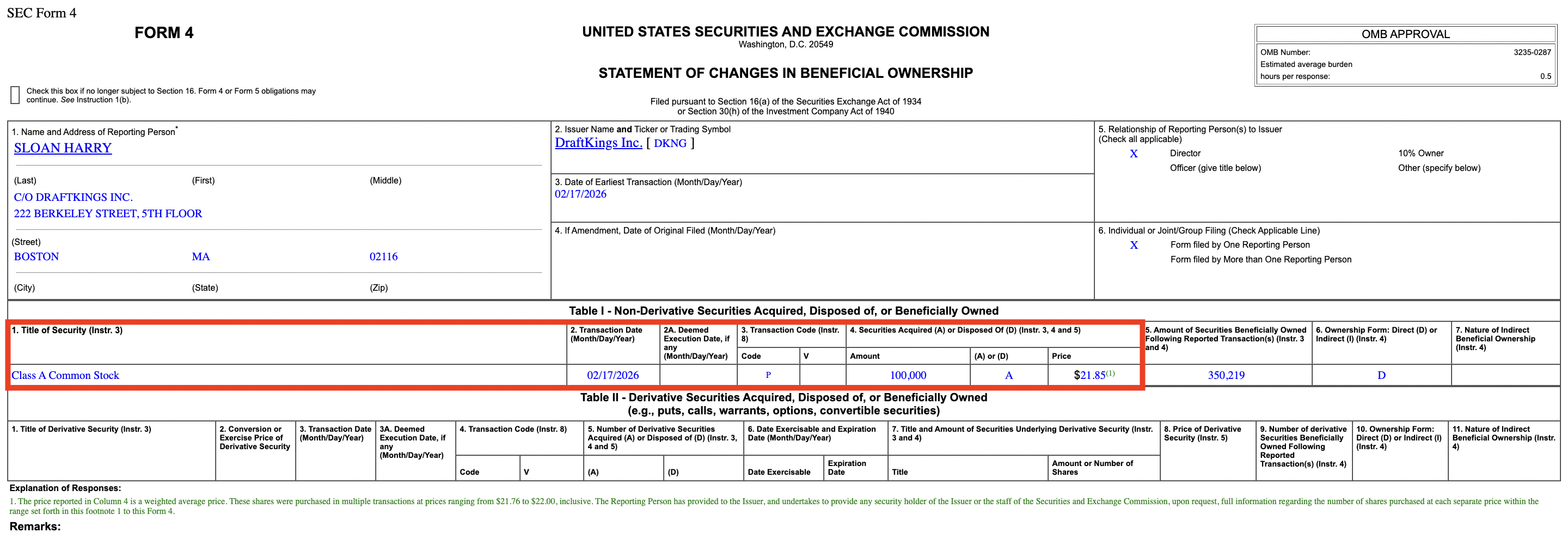
1. DraftKings (DKNG) - Harry Sloan, director, bought roughly $2,100,000 worth of DKNG at $21.85/share on Feb. 17, 2026, but it wasn't reported to the public until Feb. 18, 2026. (Source)
2. Microsoft (MSFT) - John Stanton, director, bought roughly $2,000,000 of MSFT for an average price of $397.35/share on Feb. 18, 2026, and it was reported to the public later that same day. (Source)

3. Lyft (LYFT) - David Risher, CEO, bought roughly $100,000 of LYFT at a price of $13.37/share on Feb. 13, 2026, but it wasn't reported to the public united Feb. 18, 2026. (Source)

Over 2,000 people have already signed up for my FREE Masterclass video on how to unlock my exact strategies for finding winning stock/options trades! I'll share everything including how to find what Politicians and CEOs are buying. Don’t miss your chance to get in for FREE before spots fill up!

INFOGRAPHICS FOR THE WEEK:


CONTACT US: [email protected]
Responses