
TOP NEWS AFFECTING THE STOCK MARKET THIS WEEK:
The Nasdaq Just Had Its Worst Day Since The COVID Crash!!! Here’s How I’m Playing It... (Source)
Stocks Mentioned: $QQQ, $NVDA
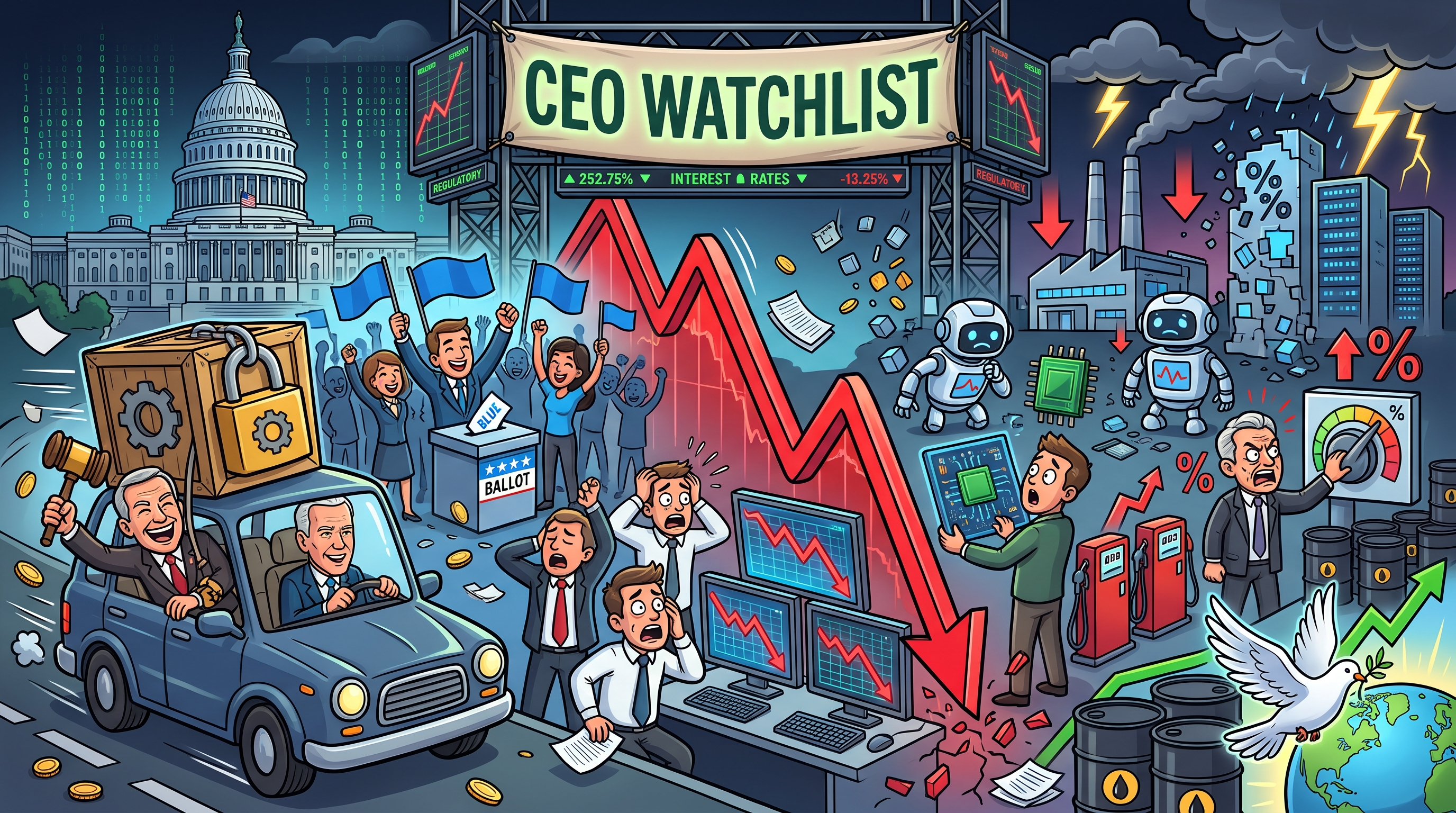
On Tuesday, America held its midterm elections, and since a lot of people tune these out, I want to explain what they are. Midterms happen every four years, halfway through a president’s term (that’s the “mid”). The president isn’t on the ballot, but Congress is: all 435 House seats and 35 of the Senate’s 100 seats were up this time. Thats important because Congress has the ability to limit what the President can do and therefore restrict laws/regulations, which in turn can effect stocks. That’s why Wall Street watches them so closely, and why this week turned into one of the wildest volatility events I’ve seen in a long time.
Now the result of the election was a clean sweep: Democrats won control of both chambers of Congress (a blue sweep). The market’s first reaction was basically a sigh of relief. Markets hate uncertainty more than they hate any specific outcome, and a decisive result removes a lot of guesswork. But under the hood, there was a crack forming. AI-related names were already under alot of pressure with many names already down 50% from their highs and when the market started to price in what a blue sweep actually meant things began to fall apart for the AI datacenter trade.
On Thursday, the Nasdaq (QQQ) fell over 6%, its worst day since March 2020, and the S&P 500 was down over 4% which is massive. The reason for the sell-off was the same reason stocks rose the day prior...a blue sweep. Fears circulated around the idea that democrats would be harsher on the AI datacenter trade with increased regulations. The market decided to sell first and ask questions later. The epicenter was AI: Nvidia (NVDA) sank 9.3% in a single day and a closely watched chip index dropped 12.3%, its worst day in nearly 7 years. Now, whether democrats are going to be bad or good for the AI trade has yet to be seen, but it nonetheless is what the market is currently pricing in. It also wasn’t purely political: disappointing earnings, rising interest rates and an ongoing war with Iran make for an ugly macro backdrop. So the election may have been the match, but the room was already full of gas.
But thats all in the past now and what matters is what comes next. This is where I use data as my guide, and the data I'm looking at can be seen below:
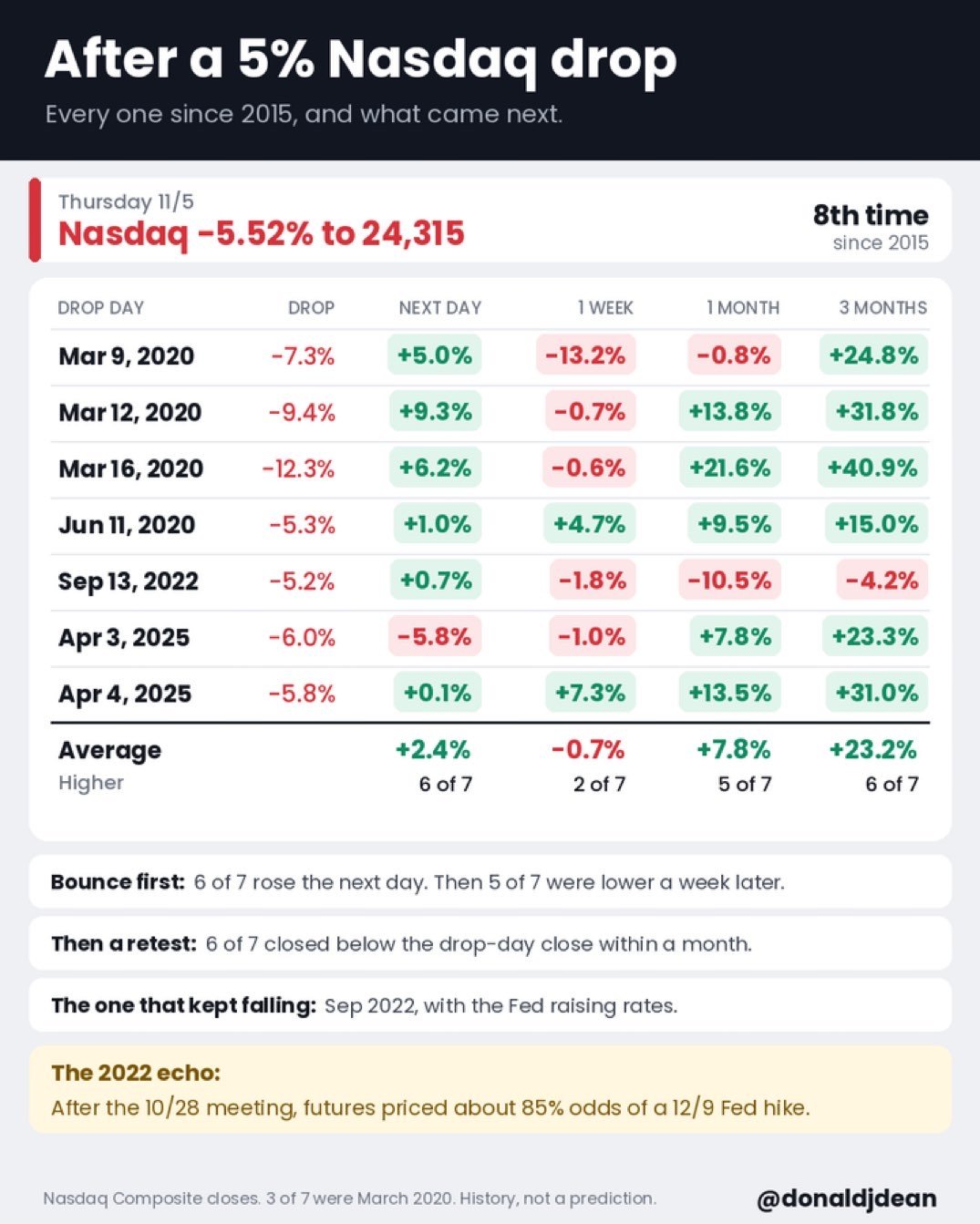
As you can see above, Thursday was only the 8th time since 2015 that the Nasdaq fell 5% or more in a day, and the previous seven tell a pretty consistent story. Six of the seven (85% of time time) rose the next day (averaging +2.4%), but only 28% of the time we were higher a week later and the data so far has been spot on. Friday we saw a huge bounce higher in the indexes so if that data was correct, could next weeks downside also be likely? The good news is beyond next week it shows that roughly 70-85% of the time we are much higher 1-3 months later. Thats the good news, but as usual theres always a bad to the good and in this case its no different. The bad news is we still have an ongoing war with Iran and until that gets resolved rates will continue to stay elevated, gas prices will remain high and inflation can continue to trend upward. All of these factors weigh on the stock market and unless something changes on the war front I'm not sure this data can hold true. To keep it simple, we love data but data is only good if the macro is healthy and right now its not.
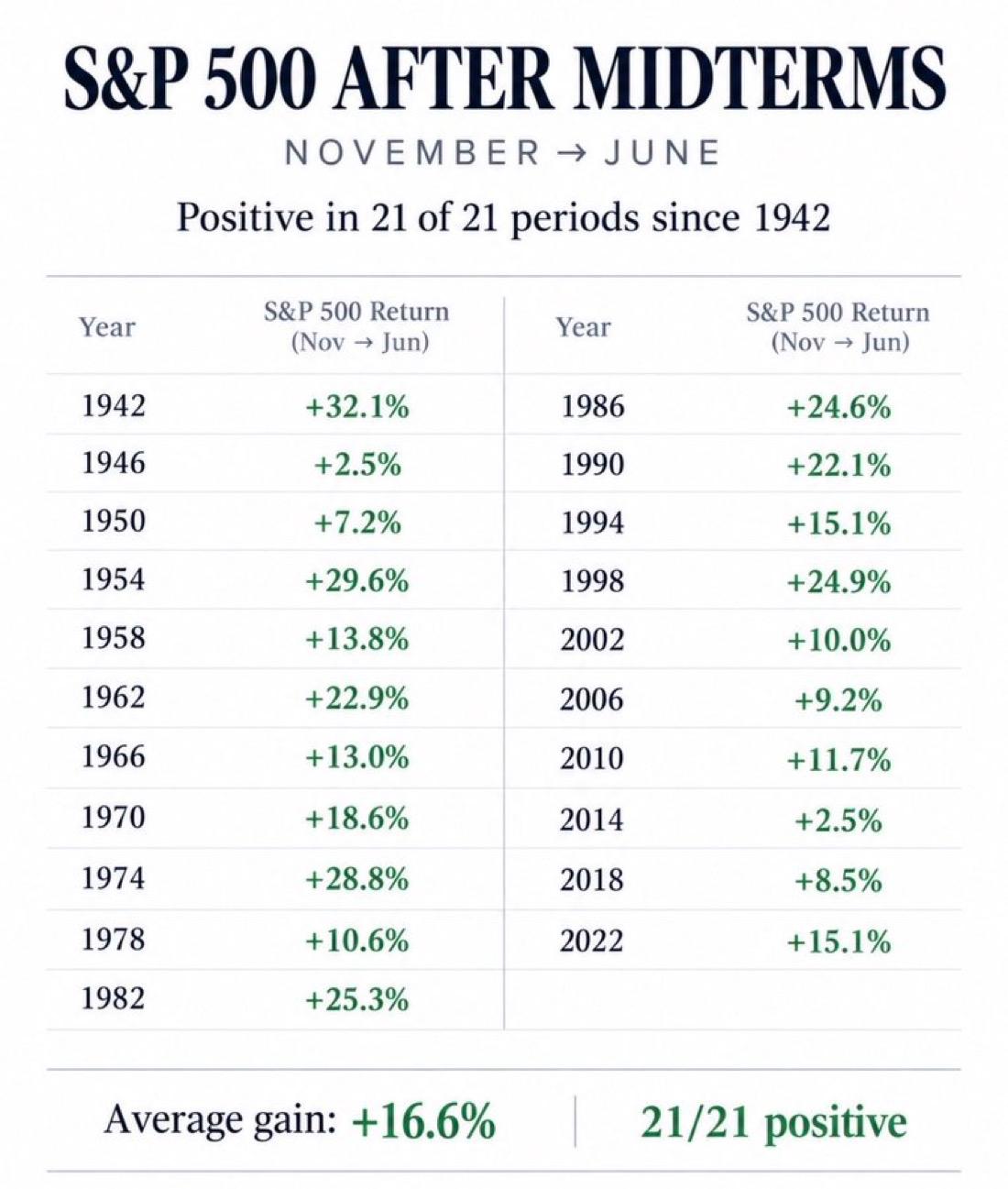
Here’s where I land. Tuesday’s midterms handed Democrats both chambers of Congress, the market cheered the certainty on Wednesday, and on Thursday it read the fine print: possible AI regulation and slower data center buildouts, all stacked on top of shaky chip earnings and rising rates. That’s what worries me most because the closest match in the drop data I shared above is 2022, the one time the Nasdaq kept falling, and that happened while the Fed was hiking rates, just like this time and guess what? 2022 was our last mid-term election year, so alot of eerie similiarities. Taken at face value, that’s a pretty negative signal. But I think one catalyst could keep this from becoming 2022 all over again: an end to the war with Iran. A credible signal of peace could send oil prices sharply lower, and since oil feeds into the price of almost everything (gas, shipping, groceries), cheaper oil would take a lot of pressure off inflation. Less inflation means less reason for the Fed to hike, and less hikes mean stocks can rip higher. There’s also a bigger-picture stat I keep coming back to: in every single midterm year since 1942, the S&P 500 was higher from November to the following June, 21 out of 21 times, with an average gain of 16.6%. Even 2022, with the Fed hiking aggressively, finished that stretch up 15.1%. So over the next 9 months or so, I still think this market can do well. In the short term, though, I’m staying cautious, mainly because the geopolitical tension doesn’t look anywhere near resolved yet. I’m watching everything closely and whether peace or the Fed gets there first, it will decide which version of history this turns out to be.
Earnings Season Week 5: These Are The 5 Stocks That We Are Watching ... (Source)
Stocks Mentioned: $RKLB, $NBIS, $FPS, $CSCO, $AMAT
Last week was a perfect example of how great numbers don’t always mean a higher stock price. Apple posted a record September quarter and iPhone sales jumped 17%. The stock still slid about 3% after Apple stated they had concerns around rising memory costs. Palantir grew revenue 96%, yet the stock also slipped about 3% after hours. The good thing is the midterm elections are now behind us and so is much of the volatility around the event. That means we can now focus on the 3 main things that can move the market moving forward: The Fed, The Iran War, and Earnings!
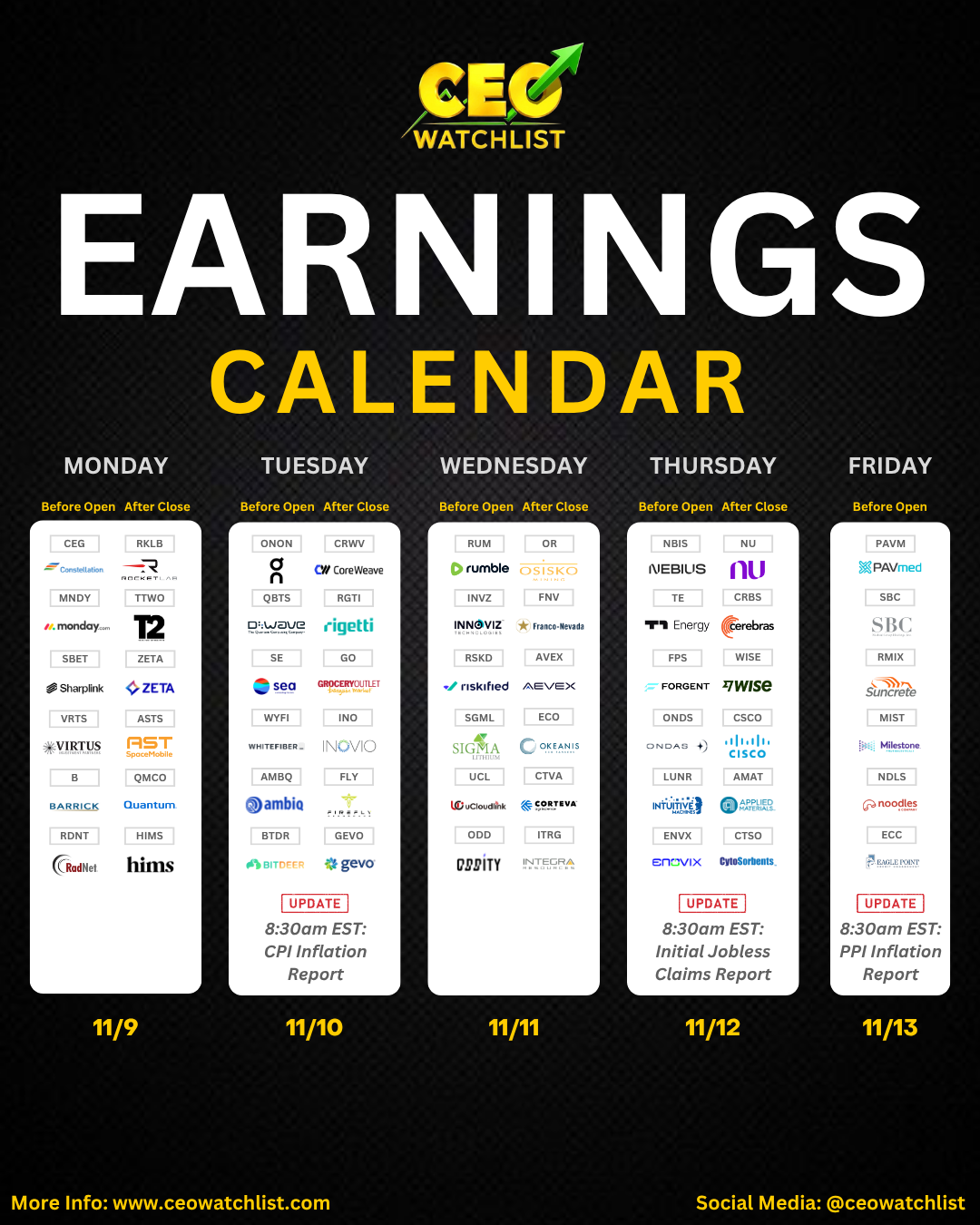
In the first story we covered a bit on the Fed and the Iran War. For this article we wanted to focus on the 3rd variable that will move stocks and as we mentioned above, that's earnings. This week’s 5 stocks I'll be covering are all names that have fallen massively from their highs and have alot of potential if they can put up even halfway decent numbers in their earnings reports. Here are the 5 I'm watching closest:
- Rocket Lab (RKLB) - The space company behind the Electron rocket, which also builds satellites and spacecraft parts. It reports after the close on Monday, November 9. Analysts expect revenue of about $256.5 million, up roughly 65% from a year ago, with a small loss of about $0.02 per share. Management guided for $250 million to $265 million. The real story is Neutron, Rocket Lab’s bigger reusable rocket, with its first flight targeted for the fourth quarter of 2026. The stock is trading near $52 to $55, far below the $151 it touched earlier this year. I’ll be listening for whether Neutron’s launch timeline holds or slips into 2027.
- Nebius Group (NBIS) - Nebius is an AI cloud company that rents out powerful Nvidia GPUs to businesses training and running AI. Think of it as a landlord renting out apartments packed with supercomputers. It reports before the open on Thursday, November 12. Analysts expect about $903.5 million in revenue, a big jump from $582.3 million last quarter. Nebius guided for $3 billion to $3.4 billion in revenue this year and is targeting $7 billion to $9 billion in annualized revenue by year-end. I’ll be watching whether it’s on pace to hit that target, because it’s one of the boldest goals in the AI space.
- Forgent Power Solutions (FPS) - Forgent makes the electrical equipment that keeps data centers running, like transformers, switchgear and power distribution units. If a data center is an AI factory, Forgent builds the electrical panels and wiring that keep the lights on. It also reports before the open on Thursday, November 12. Last quarter revenue surged 94% to $462 million, bookings soared 375% to $1.5 billion, and its backlog hit $3 billion. Forgent expects revenue to grow about 76% to $2.5 billion in fiscal 2027. I’ll be watching whether that backlog keeps growing as AI power demand ramps up.
- Cisco (CSCO) - The networking giant that connects the internet together, and now a big player in linking AI data centers. It reports after the close on Thursday, November 12. Cisco guided for $18.0 billion to $18.2 billion in revenue and $1.32 to $1.34 per share. It booked $9.3 billion in AI infrastructure orders from hyperscalers last fiscal year and expects $7.5 billion in AI revenue this year. I’ll be watching whether those AI orders keep climbing, because that’s the clearest sign that big tech’s spending is landing in Cisco’s lap.
- Applied Materials (AMAT) - The largest maker of chipmaking equipment in the U.S. Its machines deposit and shape the ultra-thin layers of material that make up every advanced chip, similar to Lam Research, which we covered a few weeks ago. It also reports after the close on Thursday, November 12, with the call at 4:30 p.m. Eastern. Applied guided for record revenue of $10.25 billion, plus or minus $500 million, up from a record $9.12 billion last quarter. Even the low end of that range would set a new company record. I’ll be watching whether the outlook for 2027 is as strong as management has been hinting.
This week we hear from the companies that are the building blocks of the AI trade and of course one of the most followed space names in the market besides SpaceX. Applied Materials makes the tools that make the chips, Nebius rents out the computing power, Cisco connects it all, and Forgent keeps the electricity flowing. Rocket Lab gives us a read on the space economy, which is quickly becoming its own AI story through satellite networks. With CPI (inflation metric) landing on Tuesday and PPI (another inflation metric) on Friday, Thursday’s lineup could get caught in the crossfire. If inflation cools and these companies confirm that demand is still building, I think that’s a powerful combination and stocks can rally higher. But if inflation runs hot on the same week guidance comes in cautious, I expect some real turbulence to the downside.
So here’s my recap heading into the week ahead. Monday kicks off with Rocket Lab after the close. Tuesday brings the October CPI report, the biggest data point of the week. Thursday is the heavyweight day with jobless claims, Nebius and Forgent before the open, then Cisco and Applied Materials after the bell. Friday wraps up with PPI inflation. With the Fed’s December meeting getting closer, and a very likely rate hike, I’ll be watching every print for anything that might change.
"Super Investor" Spotlight: Duan Yongping (Source)
Stocks Mentioned: $AAPL, $BRK.B, $PDD, $TSLA, $NVDA, $GOOG, $OXY, $MSFT, $CRDO, $UNH
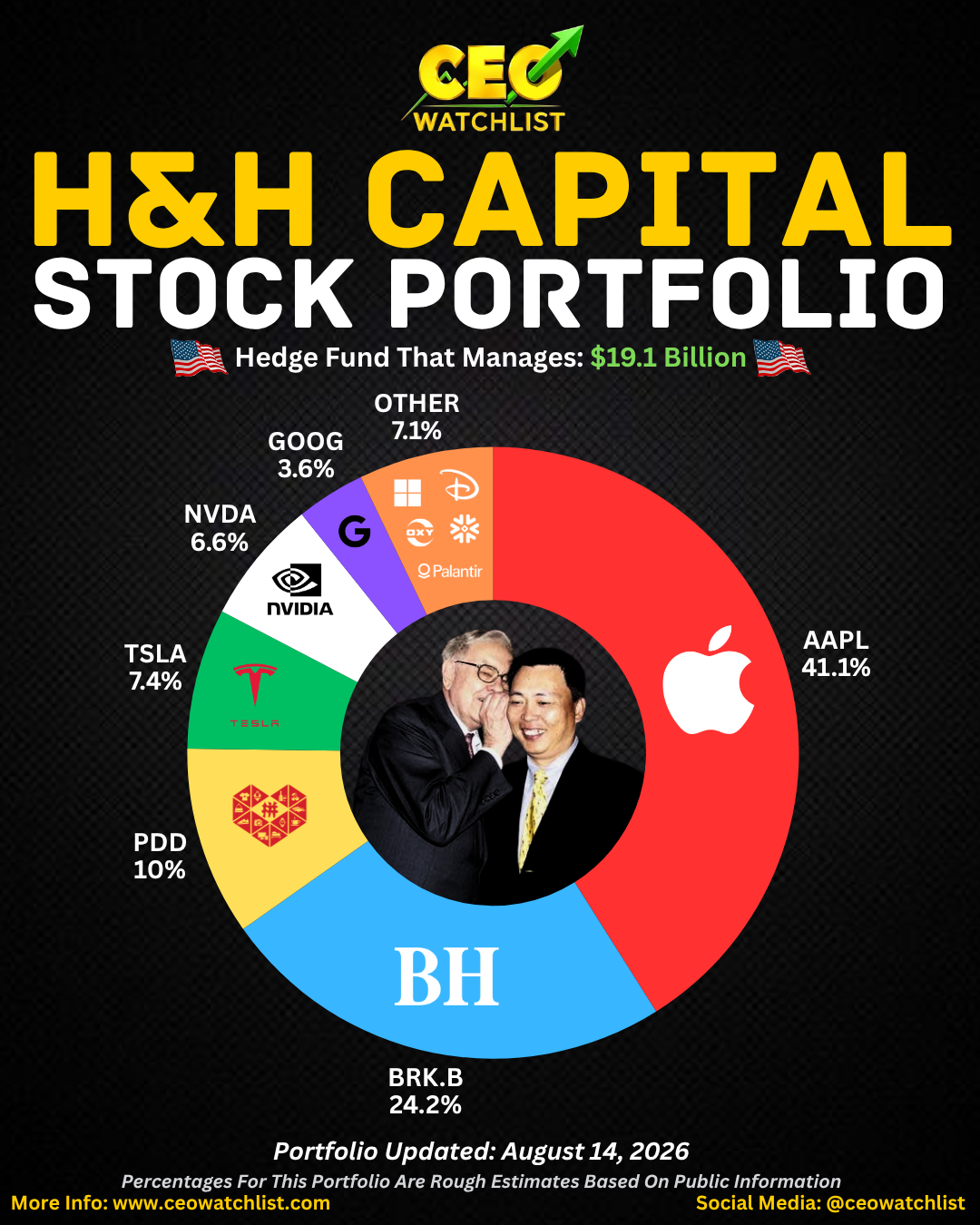
Most people in the Western investing world don’t know the name Duan Yongping, but in Asia he’s an absolute legend, often described as “the Warren Buffett of China.” He runs H&H Capital, and his backstory is remarkable. He built two of China’s biggest electronics empires, and he’s the mentor behind the founders of smartphone giants Oppo and Vivo. Like every major institutional player, H&H Capital is required to disclose its public holdings every quarter through a 13F filing. As a sidenote for newer readers, a “Super Investor” is just our term for a major institutional player, think massive corporations, elite hedge funds, or billionaire-run funds, whose quarterly stock disclosures give the rest of us a rare window into where the world’s smartest capital is flowing. Duan is one of the most fascinating names on that list, and his filing is a rare window into how one of the sharpest minds in global investing thinks.
Duan’s investing philosophy is about as "Buffett-inspired" as it gets. He preaches owning a small number of truly great businesses that you understand deeply, buying them at reasonable prices, and then holding them for the extreme long term. He’s known for his patience and his willingness to concentrate heavily in his highest-conviction ideas rather than diversifying for the sake of it. That shows up loud and clear in this portfolio, which is anchored by a couple of massive positions in companies he’s held and championed for years. What stands out immediately is how concentrated the top of this book is, with two names making up roughly two-thirds of the entire fund.
Here’s a full breakdown of the top 10 stocks in Duan Yongping’s public stock portfolio:
- Apple (AAPL) – 41.1%
- Berkshire Hathaway (BRK.B) – 24.2%
- PDD Holdings (PDD) – 10%
- Tesla (TSLA) – 7.4%
- NVIDIA (NVDA) – 6.6%
- Alphabet (GOOG) – 3.6%
- Occidental Petroleum (OXY) - 2.6%
- Microsoft (MSFT) - 1.5%
- Credo (CRDO) - 1.0%
- UnitedHealth Group (UNH) - 0.9%
The headline here is Apple, which alone makes up over 40% of the entire portfolio. Duan has been one of the most devoted long-term Apple holders out there, and his conviction mirrors Buffett’s own famous love of the stock. Right behind it sits Berkshire Hathaway at over 24%, which is a fitting second position given how much Duan’s entire approach draws from Buffett’s teachings. Together those two names make up roughly two-thirds of the book, which tells you everything about his concentrated, hold-forever mindset.
The rest of the portfolio carries some interesting personal threads. PDD Holdings is a notable position given Duan’s close relationship with its founder Colin Huang. Tesla, Google and NVIDIA add exposure to three of the biggest names in tech. The “Other” bucket rounds things out with names like Microsoft, Occidental Petroleum, and Palantir, a mix that blends classic Buffett-style holdings with a few newer technology bets. We will continue to monitor Duan Yongping’s portfolio, as well as dozens of other hedge funds and politicians and will continue to report on them every week to you all with updates on any new stock buys they make.
INSIDER STOCK TRADES FROM THE WEEK:
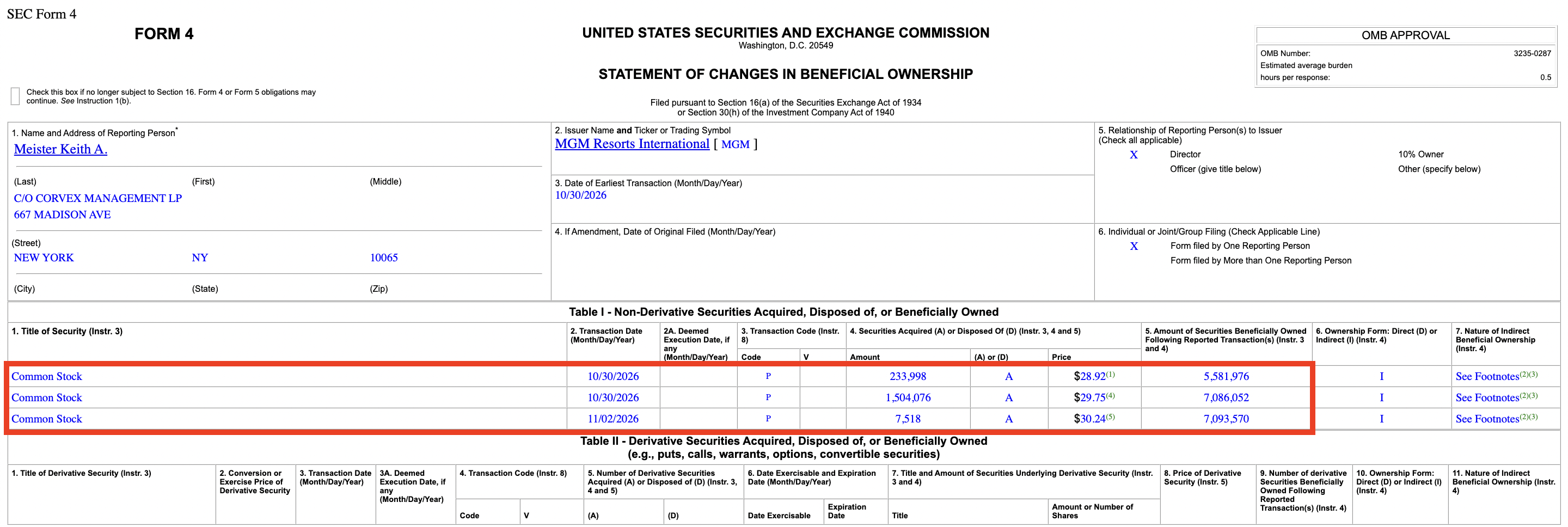
1. MGM Resorts (MGM) - Keith Meister (CEO) bought over $51,700,000 of MGM at an average price of $29.64/share on October 30, 2026, but it wasn't reported to the public until November 3, 2026. (Source)
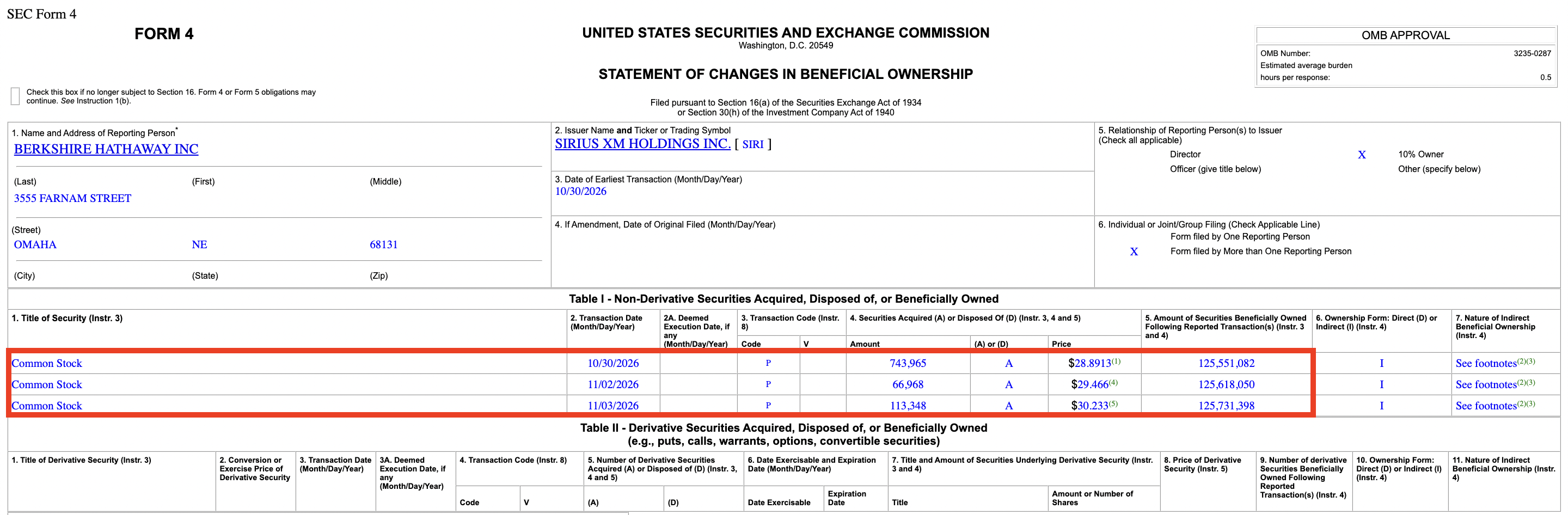
2. Sirius XM (SIRI) - Berkshire Hathaway (10% Owner) bought roughly $26,800,000 worth of SIRI at an average price of $29.10/share on October 30, 2026, but it wasn't reported to the public until November 3, 2026. (Source)
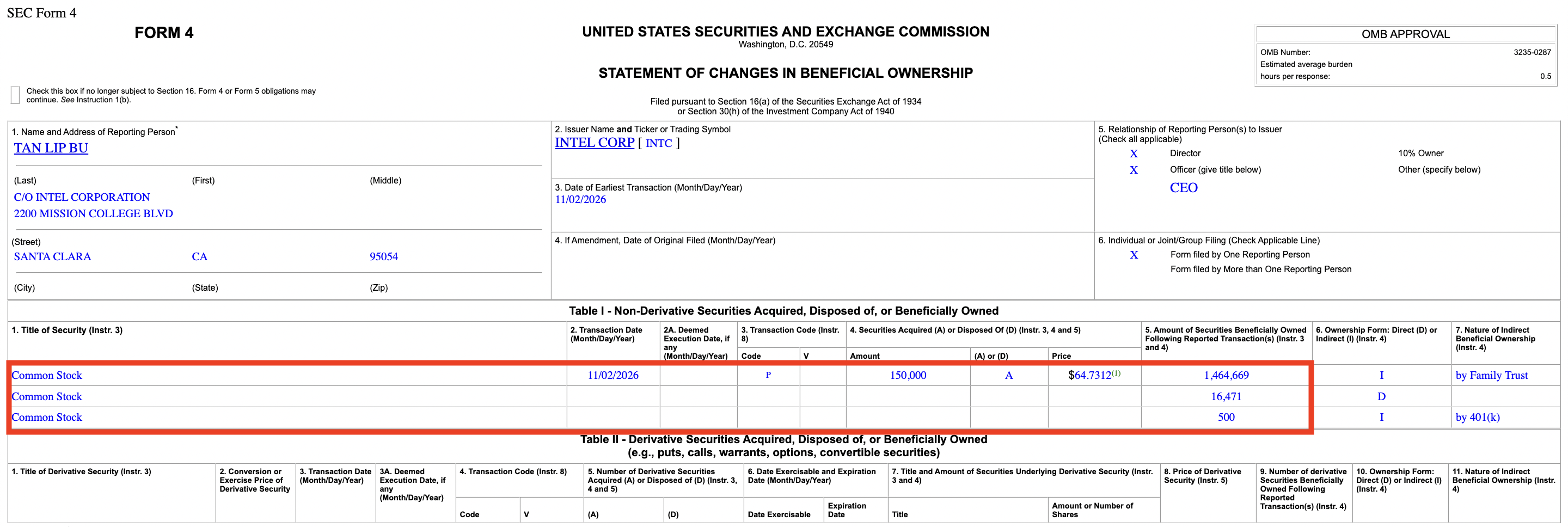
3. Intel Corp (INTC) - Lip Bu Tan (CEO) bought over $9,900,000 of INTC at an average price of $64.73/share on November 2, 2026, but it wasn't reported to the public until November 4, 2026. (Source)
Over 2,000 people have already signed up for my FREE Masterclass video on how to unlock my exact strategies for finding winning stock/options trades! I'll share everything including how to find what Politicians and CEOs are buying. Don’t miss your chance to get in for FREE before spots fill up!

INFOGRAPHICS FOR THE WEEK:
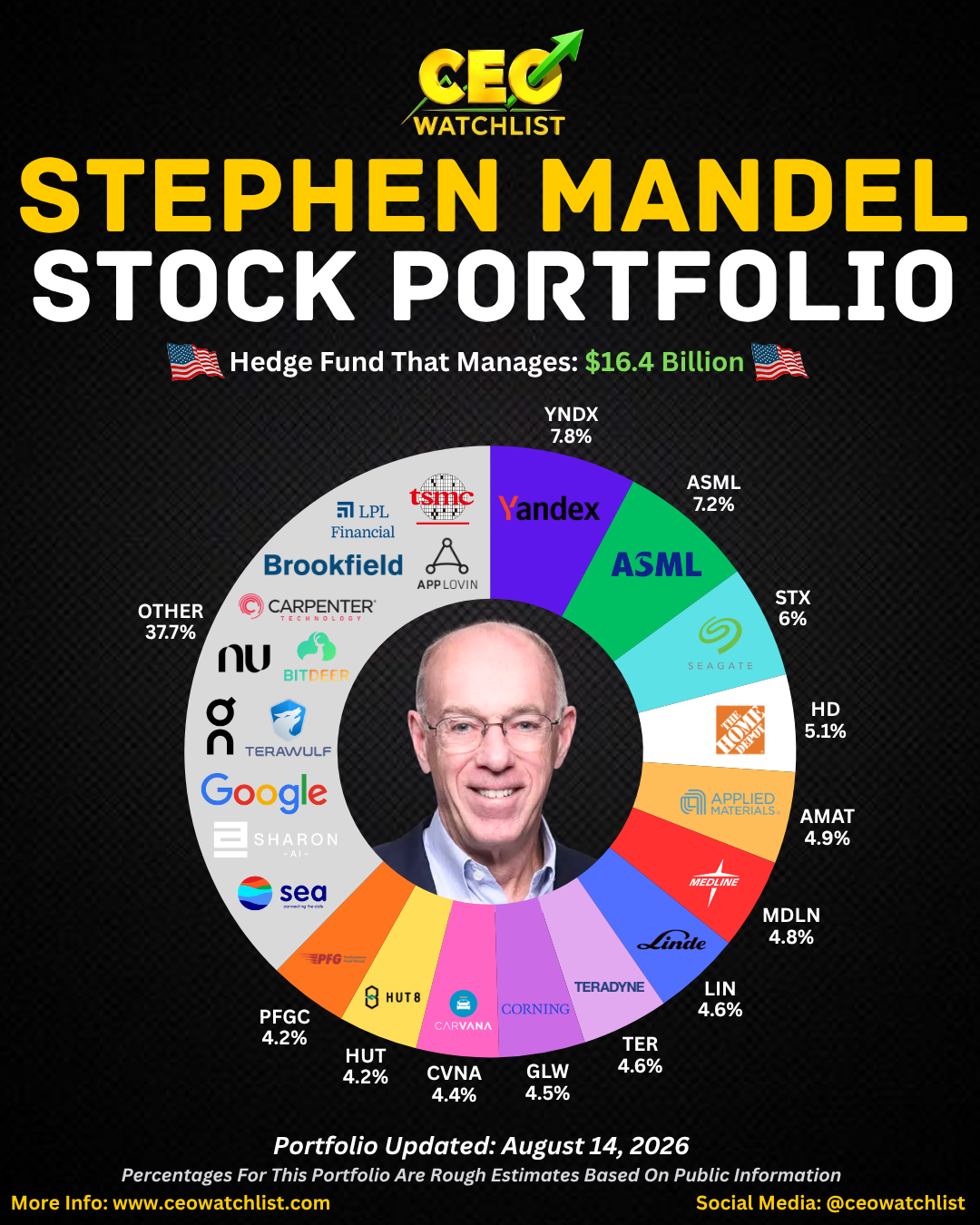
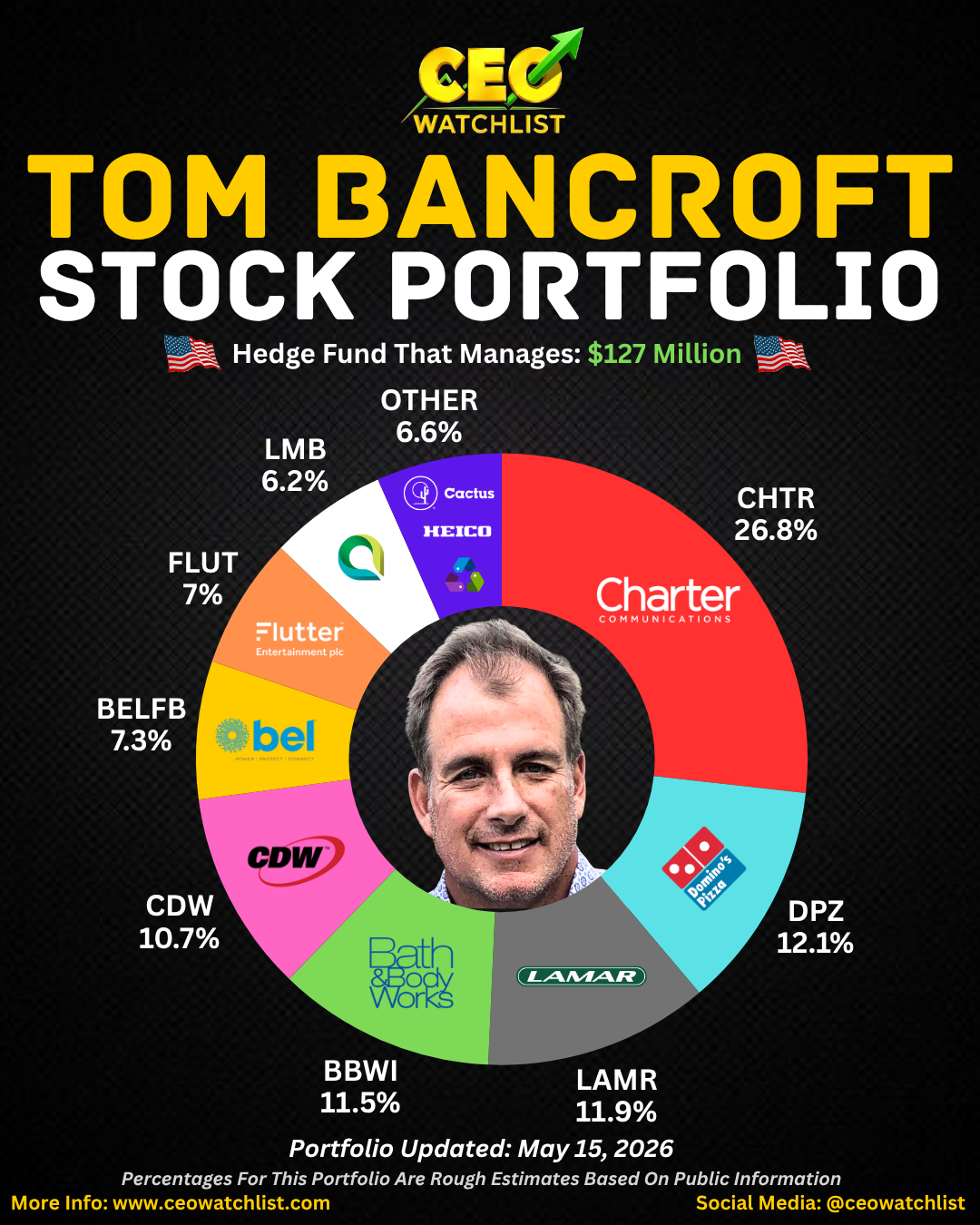
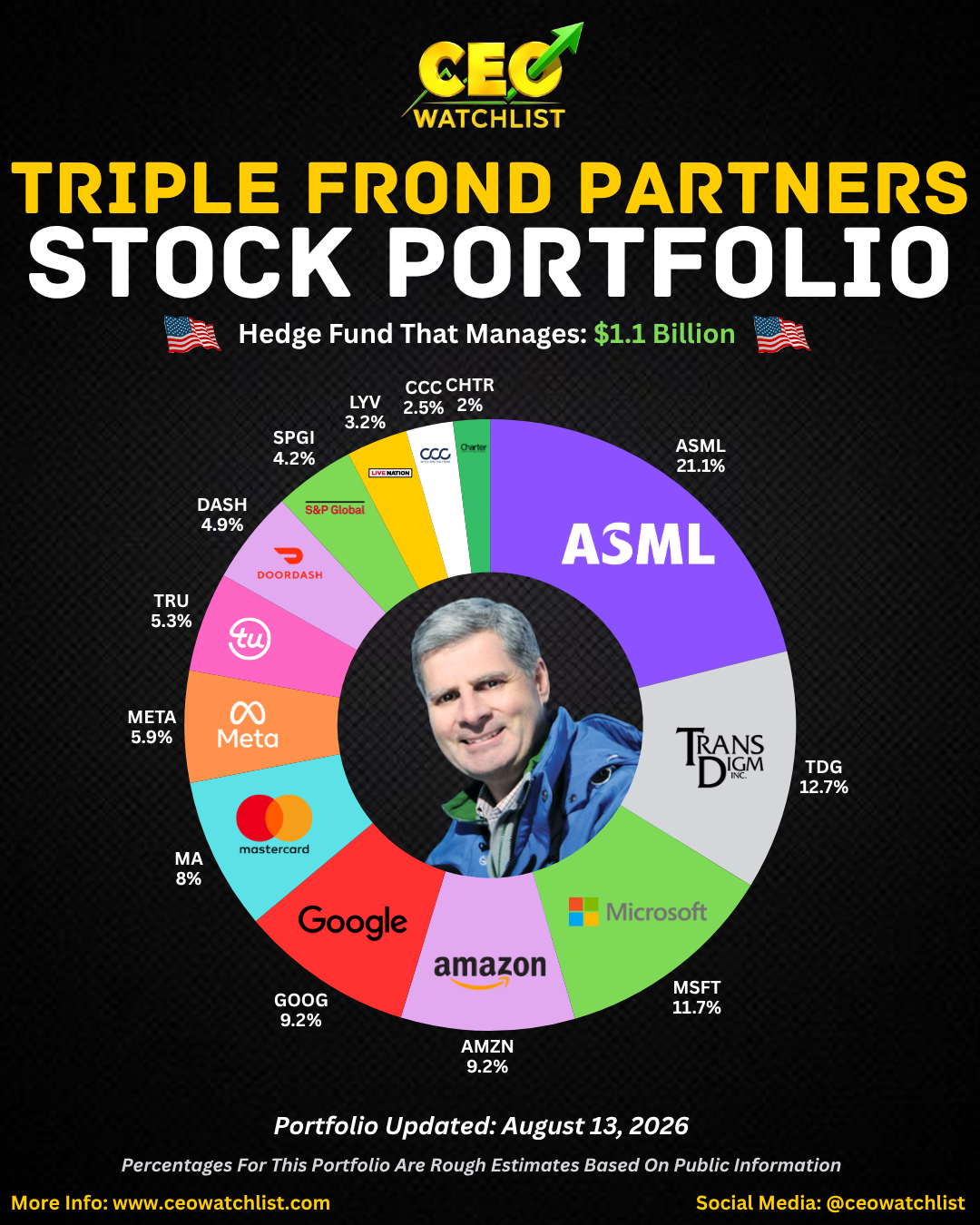

CONTACT US: [email protected]
Responses