TOP NEWS AFFECTING THE STOCK MARKET THIS WEEK:
The "Boring" Trade Just Had One Of Its Best Weeks, But What Does That Mean For THIS Week? (Source)
Stocks Mentioned: $HII, $LLY, $GOOG, $INTC
Last week we published “The Boring Trade,” and the whole idea fit on a napkin: when the market stops believing in the far-off AI payday, money runs toward companies whose profits show up on schedule. Trash pickup, warships, memberships, medicine, toilet paper. We called it insurance for a portfolio, the umbrella we carry not because we know it’s going to rain, but because getting soaked is expensive. Seven days later, the forecast showed up early. We’re not writing this to take a victory lap. We’re writing it because this is what our research process is supposed to do: spot where the money is likely to move before it moves, explain why, and then hold ourselves accountable to the scoreboard. So here’s the scoreboard.
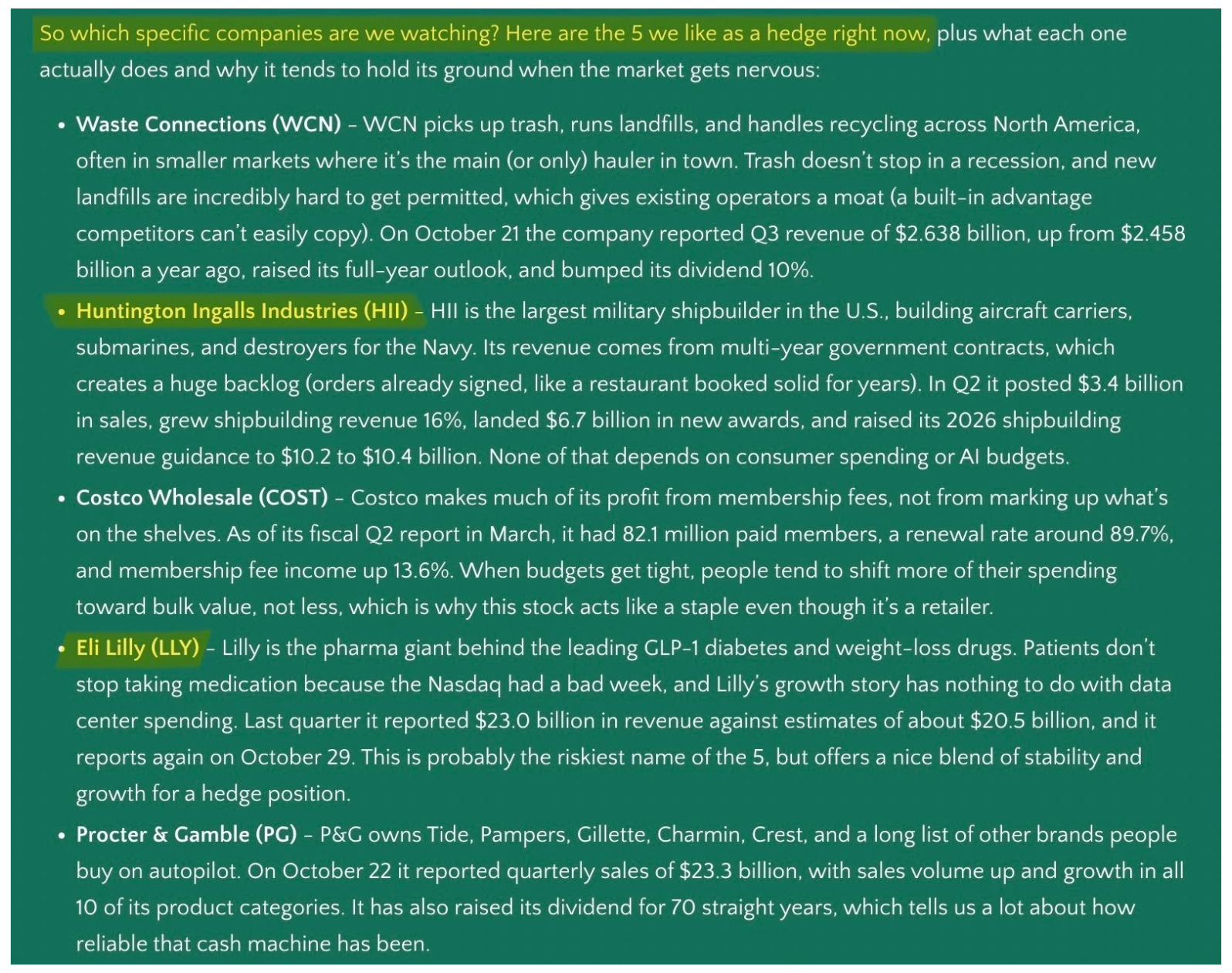
Our boring names had a week most tech investors would kill for. Huntington Ingalls (HII), the company that builds the Navy’s aircraft carriers and submarines, climbed about 13% in a single week. Eli Lilly (LLY), the drugmaker behind the leading weight-loss and diabetes drugs, gained about 10%. These were 2 of our top names coming into last week, as we mentioned in last week's newsletter, which you can see in this screenshot down below:
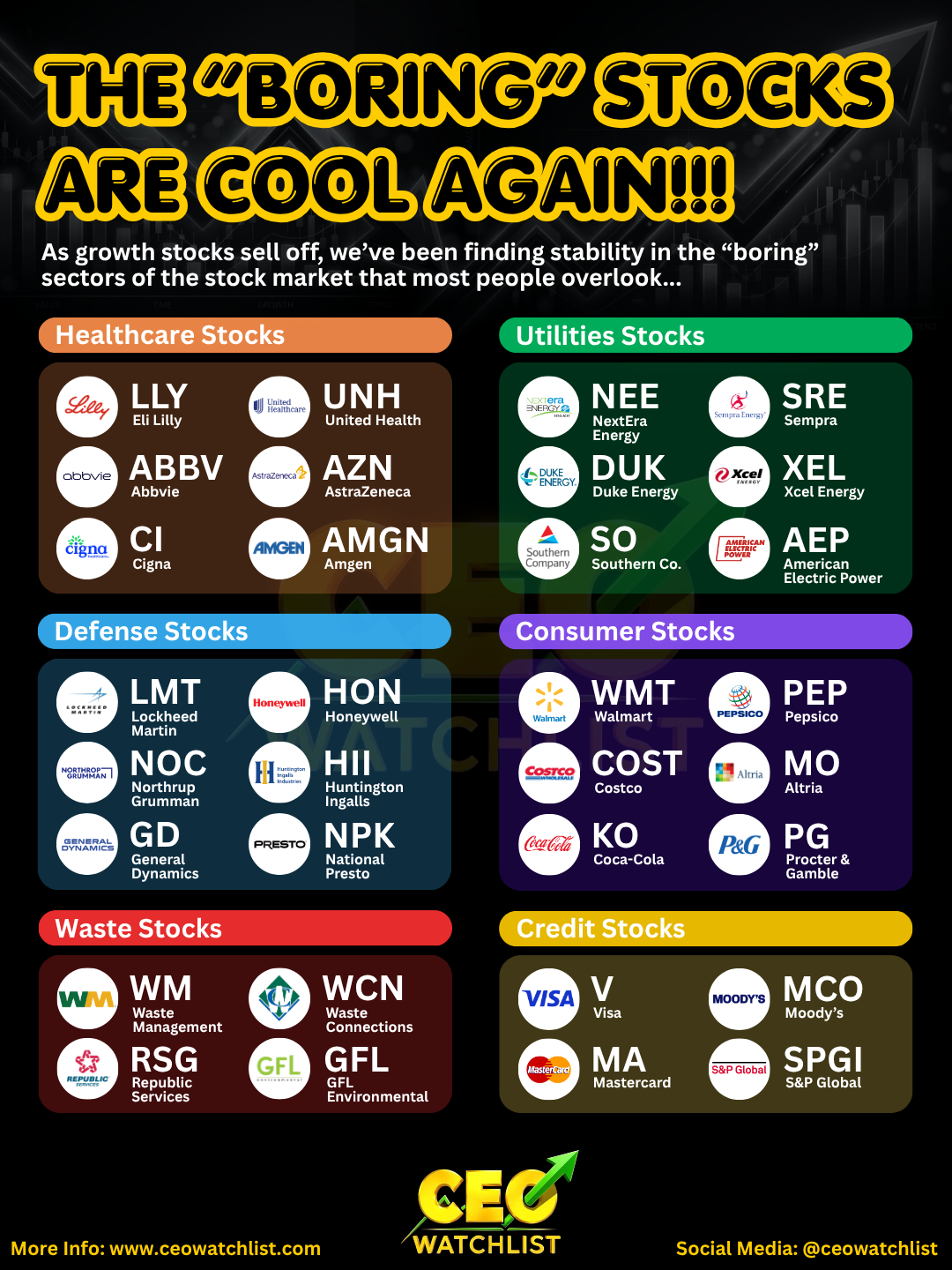
But investing is not just about making money, it's also about shielding your portfolio from losing money. This is why we believed, last week, a hedge was appropriate against the tech trade, and hopefully many of you did as well, because growthy tech names fell off a cliff. Google (GOOG) dropped roughly 12% and Intel (INTC) collapsed about 25%. So although tech has created most of this market's wealth over the past few years, we still have to be able to realize when we need to rotate our capital into other sectors, or a higher cash position. If you're new to the CEO Watchlist newsletter, or didn't get our newsletter last week, here is the infographic we created on a bunch of different "boring" stocks for you to look into:
Now zoom out, because this coming week could be just as important as last week was. On Tuesday, November 3, the U.S. holds its midterm elections. If that term is fuzzy, here’s the simple version. The president gets elected every 4 years, but halfway through that term the country votes on Congress: all 435 seats in the House of Representatives and about a third of the Senate. Think of it this way. The president is the driver, but Congress controls the gas pedal and the brakes. It writes the tax laws, approves government spending, and shapes regulation, all things that directly hit company profits. That’s why markets care so much. If one party ends up controlling both the White House and Congress, it can push its agenda through quickly, which some investors see as a green light for big policy moves and others see as a risk. If power gets split, Washington tends to gridlock, which some investors actually like because it means fewer surprises, while others worry it means nothing useful gets done. Many people will have many different opinions about this, but what we do know is that markets hate uncertainty more than almost anything, and Tuesday night removes a big chunk of it. According to the data, historically, this removal of uncertainty has often led to stocks doing well in the months after a midterm, as you can see down below:
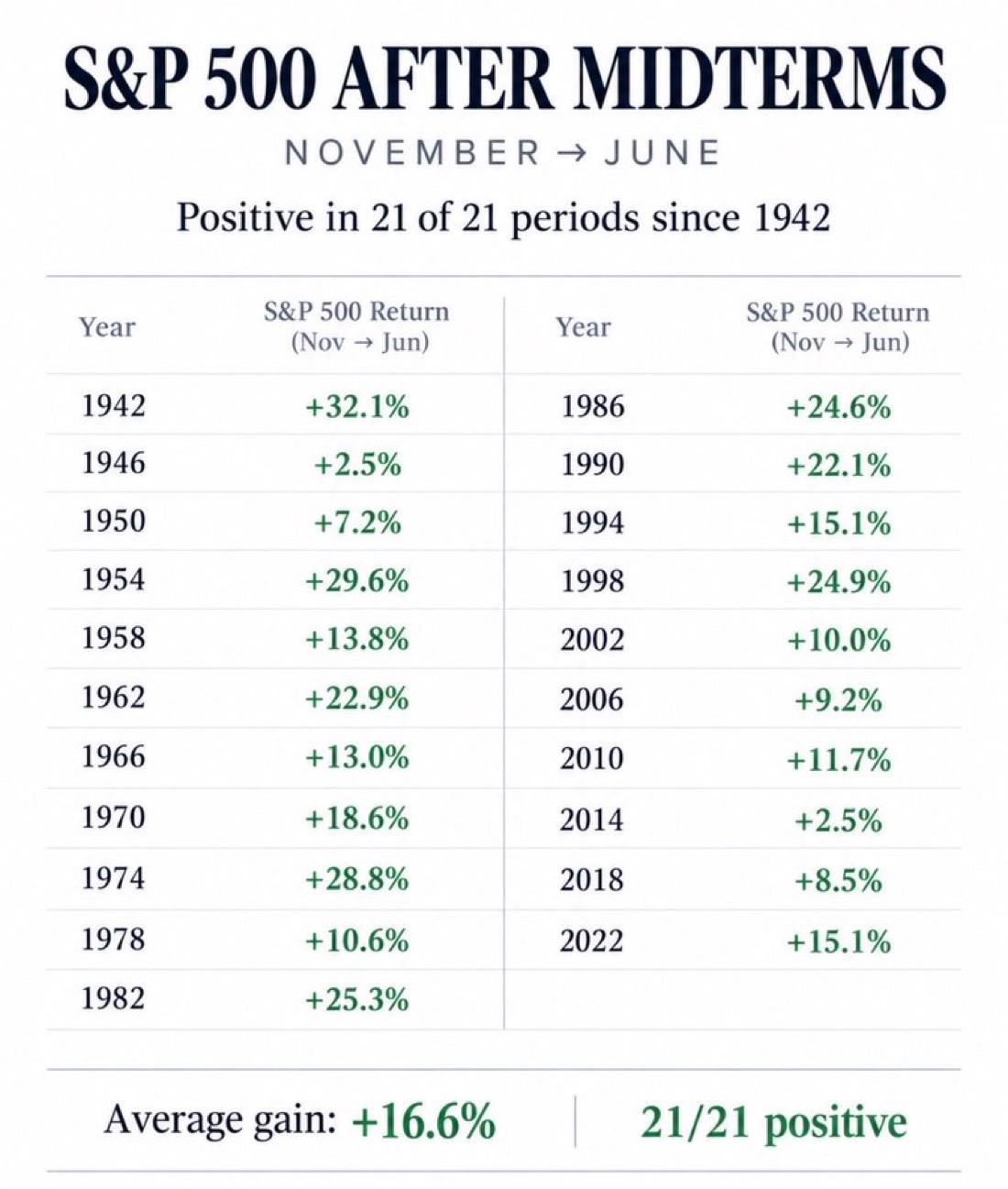
As the data states, 6 months after the midterms we are up on average by 16.6% and 100% of the time we are in the green dating back all the way to 1942! So the good news is, in the longer-term, the data is telling us that we should be fine 6 months from now, but in the short-term, these election results could create a lot of volatility and the outcome could send markets sharply in either direction.
But if you thought that was the only thing we had to worry about, you'd be mistaken. Sitting on top of the election is something even harder to price: the war with Iran, which is now in roughly its 8th month. The President has publicly said there would be no new strikes before the election, but reporting from the Wall Street Journal says he’s told aides he expects to resume bombing after the midterms, and in a Time interview he called stepped-up strikes “possible.” Why does a conflict on the other side of the world matter to a stock portfolio? One word: oil. Iran sits on the Strait of Hormuz, a narrow shipping lane that a huge share of the world’s oil passes through. Picture the one highway exit that most of the world’s gas trucks have to use. If that exit gets jammed, oil prices jump, which pushes up gas, shipping, and the cost of almost everything. Rising prices make it harder for interest rates to come down, and as we explained last week, higher rates hit growth stocks the hardest because so much of their value lives in the future. The other side deserves its fair shake, though. The administration says its talks with Iran have been productive, officials have reportedly said the President’s thinking could still change, and a real deal could send oil lower and stocks higher. Nobody knows which way this breaks, including us, and that’s the point.
So here’s where we land. We still believe growth tech is where the biggest long-term wins come from, and we aren’t abandoning it. But with a major election and a potential escalation overseas landing in the same week, we’re staying cautious, and for us that means keeping a healthy slice in cash or the boring stuff: companies that keep earning whether the headlines are good or ugly. This is how we’re positioning our own capital, not a recommendation for anyone else’s. If this kind of research is useful and you want to see exactly what we’re doing with our own stock and options portfolios in real time, that’s what the CEO Watchlist Investment Club is for. You will get one on one mentorship, live daily classes, weekly Sunday calls, beginner level stock/options video courses, and real-time research alerts. For Halloween, we’re giving away a limited time discount to join the Investment Club for 40% off by [CLICKING HERE]. The discount will automatically be applied when you [CLICK HERE] and you can be in the group as soon as today! With all the chaos that is coming up this week, this isn't the time to sit on the sidelines alone. Come join the community and let us take you to that next level. See you in The Club soon!
Earnings Season Week 4: These Are The 5 Stocks That We Are Watching ... (Source)
Stocks Mentioned: $GOOG, $AMZN, $INTC, $AAPL, $PLTR, $FN, $AMD, $KTOS
Last week was the Super Bowl of earnings season, and I don't think anyone walked off the field happy. In roughly 24 hours, three of the most important tech companies on the planet, Google (GOOG), Amazon (AMZN), and Intel (INTC), all handed in their reports. Quick refresher for anyone newer to this: an earnings report is a company's quarterly check-in where it shows how much money it made, how much it spent, and what it expects for the next few months. Wall Street sets expectations ahead of time, and the stock moves based on whether the company beats, meets, or misses them. Here's my honest scorecard. All three disappointed. Intel was the worst by a mile. Amazon was the "best," and I'm putting that in quotes on purpose, because "best" here mostly means it hurt the least. And Google fell somewhere in between.
Let's start with Intel, because it was ugly. On paper, the quarter itself was fine: revenue grew 21% and adjusted earnings came in ahead of estimates. The problem was the forecast. Intel guided fourth-quarter revenue to $15 to $16 billion when Wall Street wanted about $17 billion, and earnings to $0.25 per share versus the $0.43 analysts expected. Think of guidance like a weather forecast for the business: the market doesn't trade on yesterday's sunshine, it trades on whether a storm is coming. Intel blamed a PC slowdown it expects to last through at least the first half of next year, an explosion at its Israel factory, and not being able to make enough server chips to meet demand. The stock dropped 28.6% on Friday to $65.76, its worst single day since 1974. Amazon, meanwhile, technically missed too, with revenue of $201.9 billion and $1.89 per share versus expectations of $202.2 billion and $1.97. But under the hood, Amazon Web Services (AWS), the division that rents out computing power to other companies, grew 39% to $46 billion, its fastest pace in nearly five years, and Amazon posted its highest operating margin ever at 13.9%. The catch is the spending. Amazon still plans to spend roughly $220 billion on capital expenditures this year, meaning data centers, chips, and buildings, and says 2027 will be "meaningfully more." It's like a restaurant owner building 3 new locations before knowing if the lines will show up.
Last but not least is Google, which I think is the most important story of the week, despite Intel having the scarier headline. Google brought in $127.6 billion, up 25%, but that was still a touch below the roughly $128 billion Wall Street wanted. Earnings per share landed at $2.12 versus expectations near $3.00. The number that really stung me was Search. Google Search revenue grew 12% to $63.3 billion, but it came in below what analysts were hoping for, and in a market that is terrified of AI chatbots eating Google's lunch, "solid" isn't enough. Investors needed to see Search speeding up, and it didn't. At the same time, capital spending more than doubled to $51.4 billion, pushing free cash flow (the cash left over after paying the bills and building the future) negative by about $9.1 billion. The stock fell 12.6% on Thursday. Here's why that matters so much. Search ads are the engine that funds everything else at Google: YouTube, Cloud, self-driving cars, and the massive AI build-out. I think of Google Search like a toll booth on the busiest highway in the world. If people start taking a helicopter (an AI assistant that just gives them the answer), fewer cars pass through the booth. That's the domino risk: a slower ad engine plus exploding costs could squeeze profits from both directions at once.
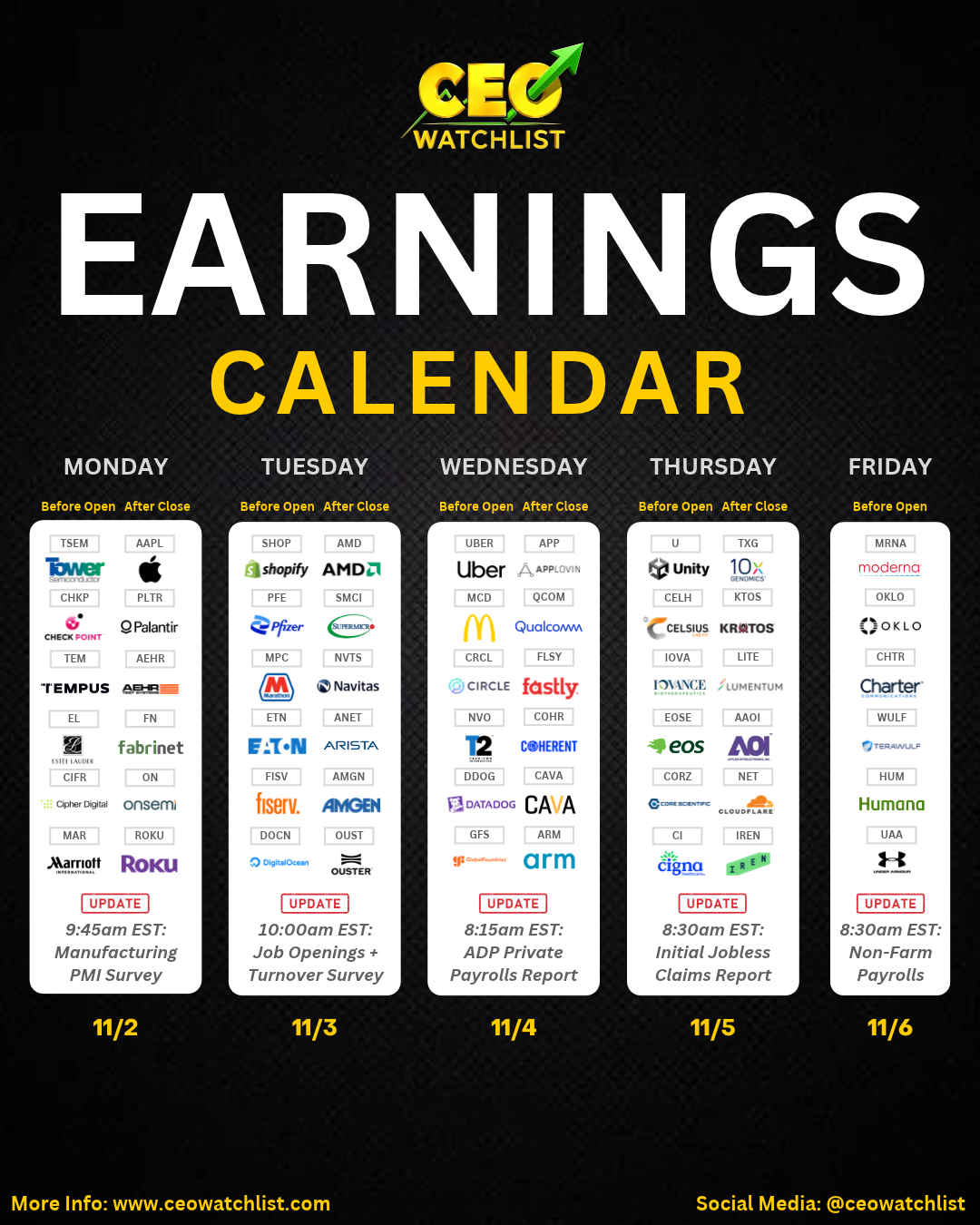
And we don't get a breather, because this week is another heavyweight round. We have major earnings reports from big tech such as Apple (AAPL) and many others. On top of that, we have the midterm elections on Tuesday and the October jobs report on Friday, so there's a multitude of things that can move the market this week. With that said, here are the 5 stocks on my radar that are reporting earnings this week:
- Apple (AAPL) - The iPhone maker, worth around $5 trillion, and the best performer in the "Magnificent Seven" this year, up about 28%. Apple matters because it's the one mega-cap that isn't being judged mainly on a giant AI spending bill. If it holds up, it shows investors still have a safe-feeling place to park money in big tech. If it stumbles, the "it's just the AI spenders" argument gets a lot weaker. Worth noting: Bank of America just pulled Apple off its list of top ideas, so not everyone is relaxed.
- Palantir (PLTR) - Software that helps governments and companies make sense of massive amounts of data, now heavily centered on AI. Palantir guided third-quarter revenue to about $2.16 billion, and analysts are looking for growth in the 80% range. The stock looks like its poised for a lot more growth. The flip side is that its valuation is extremely high, which means even a good quarter can get punished if it isn't great.
- Fabrinet (FN) - A lesser-known manufacturer that builds optical components, the parts that use light to move data at high speed between servers in a data center. I think of it as the company making the plumbing for AI. This one matters because those giant capex budgets at Amazon and Google are, in part, Fabrinet's sales. Rising spending is a headache for the hyperscalers but a tailwind for suppliers like this, and its report will show whether that money is still flowing.
- Advanced Micro Devices (AMD) - Intel's longtime rival, making chips for PCs, servers, and AI data centers. Analysts expect $1.94 per share on $13.1 billion in revenue, which would be about 42% growth. AMD fell roughly 10% on Friday right alongside Intel, so the question is whether that was guilt by association. Intel's PC warning matters for AMD's PC business, but AMD's AI data center chips are a very different story, and this report should help separate the two.
- Kratos (KTOS) - A defense technology company best known for military drones like the XQ-58 Valkyrie. This company has really struggled this year and this earnings report could be make or break for them. This is an extremely high-risk stock that has a very expensive valuation, but if they can put up some extreme growth numbers, then this name may just see a rally this week. This is definitely the highest risk stock of the 5 we mentioned.
So where does that leave us? Last week, Intel showed what happens when a company can't deliver on demand, Amazon showed that even great growth can get overshadowed by an enormous spending bill, and Google forced everyone to take the "AI replaces search" fear more seriously than they wanted to. The result was the worst day for stocks since June and a real wobble in the tech and growth trade. The bear case says this is the start of a bigger reckoning for companies spending hundreds of billions on AI without a clear payoff yet. The bull case says this is a healthy reset, the money is rotating rather than leaving, and the companies building the AI future are still growing fast underneath the noise. I honestly think both sides have a point, which is exactly why this week matters so much. Apple, Palantir, Fabrinet, AMD, and Kratos each test a different piece of the puzzle, from the consumer, to AI software, to AI hardware, to defense. By Friday, I expect we'll have a much clearer picture of whether last week was a speed bump or a warning sign, and I'll be watching every one of these reports closely. I have included an infographic down below for you to see the dozens of other names reporting this week, as there are too many to name in this one article:
"Super Investor" Spotlight: Norbert Lou (Source)
Stocks Mentioned: $BRK.A, $CROX, $PDD, $PYPL, $SGOV
Most people in the investing world have never heard of Norbert Lou, and that’s exactly what makes him so fascinating to study. He runs Punch Card Management, one of the most secretive and low-profile funds out there, and he’s famously reclusive to the point where very little is publicly known about him. What is known is the story of how he got his start, posting a legendary writeup on a value investing message board years ago that reportedly caught the attention of Joel Greenblatt, who then backed him. Like every major institutional player, Punch Card is required to disclose its public holdings every quarter through a 13F filing. As a sidenote for newer readers, a “Super Investor” is just our term for a major institutional player, think massive corporations, elite hedge funds, or billionaire-run funds, whose quarterly stock disclosures give the rest of us a rare window into where the world’s smartest capital is flowing. Lou is one of the most intriguing names on that list precisely because of how rarely we get any insight into his thinking, which makes his filing a real treat.
The name of his fund says everything about his philosophy. “Punch Card” is a reference to a famous idea from Warren Buffett, the notion that you’d be a better investor if you had a card with only a limited number of punches to make in your entire lifetime, forcing you to make only your very best, most carefully considered bets. Lou lives that philosophy completely. His portfolio is one of the most concentrated we’ve ever covered, holding just a tiny handful of positions, and he’s known for holding them for extremely long stretches. This is the polar opposite of a trader, and the extreme conviction on display here is exactly what draws value investors to track him.
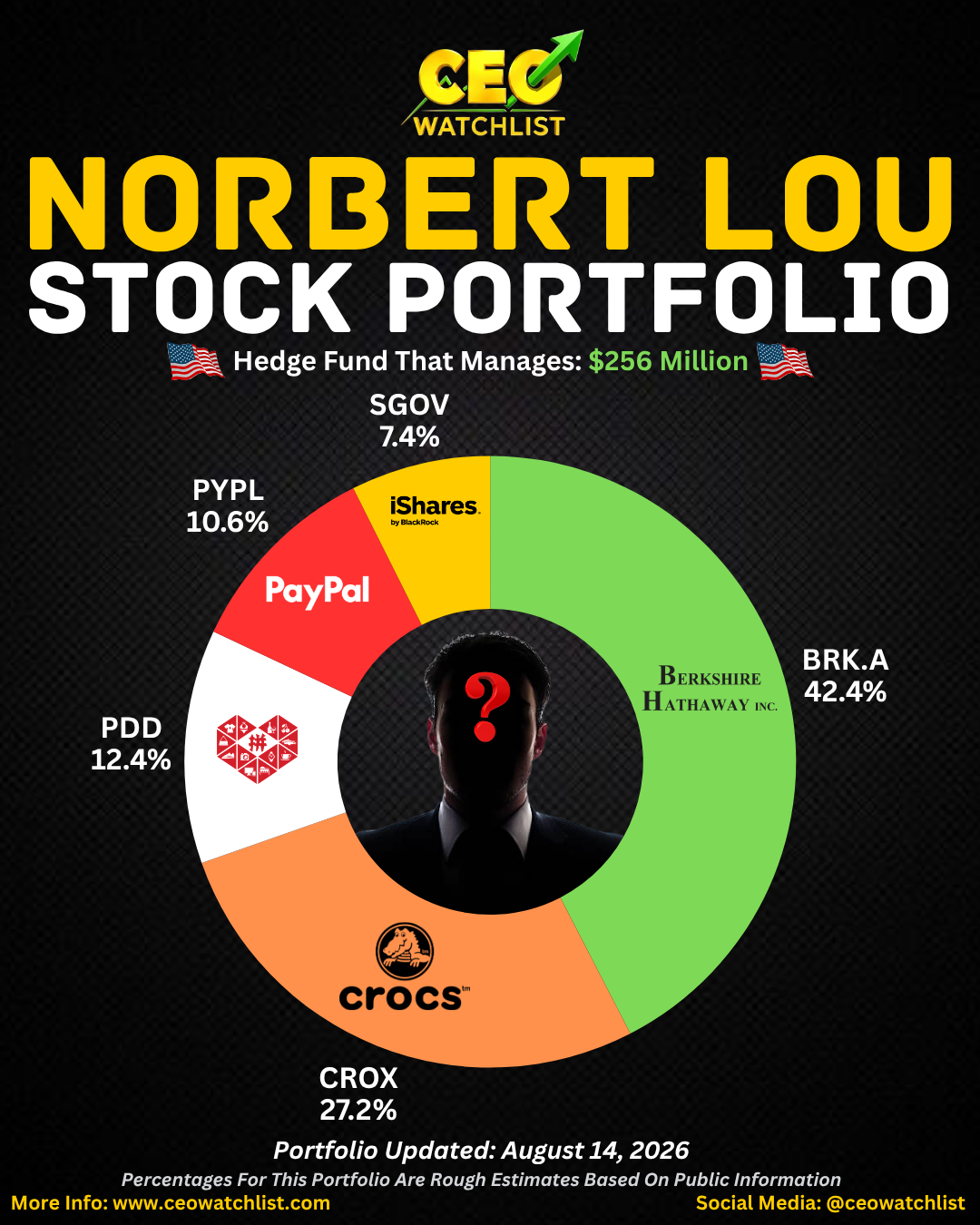
Here’s a full breakdown of every stock in Norbert Lou’s public stock portfolio:
- Berkshire Hathaway (BRK.A) – 42.4%
- Crocs (CROX) – 27.2%
- PDD Holdings (PDD) – 12.4%
- PayPal (PYPL) – 10.6%
- iShares Treasury ETF (SGOV) – 7.4%
The headline here is just how concentrated this book is, with the entire portfolio built on only a few names. Berkshire Hathaway sits at the top as the single largest position at over 40%, which is a fitting anchor given how much Lou’s whole approach draws from Buffett’s teachings. It’s essentially a bet on the ultimate collection of quality businesses, run by the investor whose philosophy inspired the name of Lou’s own fund. That kind of position size in a single name tells you everything about the conviction behind this portfolio.
The rest of the book leans into deep value and contrarian territory. Crocs makes up more than a quarter of the portfolio, a bold bet on a consumer brand that the market has often doubted but that keeps throwing off enormous cash flow. PDD Holdings, the Chinese e-commerce giant behind Temu, adds a high-growth but heavily debated international name, and PayPal rounds out the equity positions as a beaten-down fintech that value investors have been circling. The SGOV position is simply short-term Treasuries, which is where Lou is parking cash while he waits, another nod to the patient, only-swing-at-the-best-pitches mindset. We will continue to monitor Norbert Lou’s portfolio, as well as dozens of other hedge funds and politicians and will continue to report on them every week to you all with updates on any new stock buys they make.
INSIDER STOCK TRADES FROM THE WEEK:
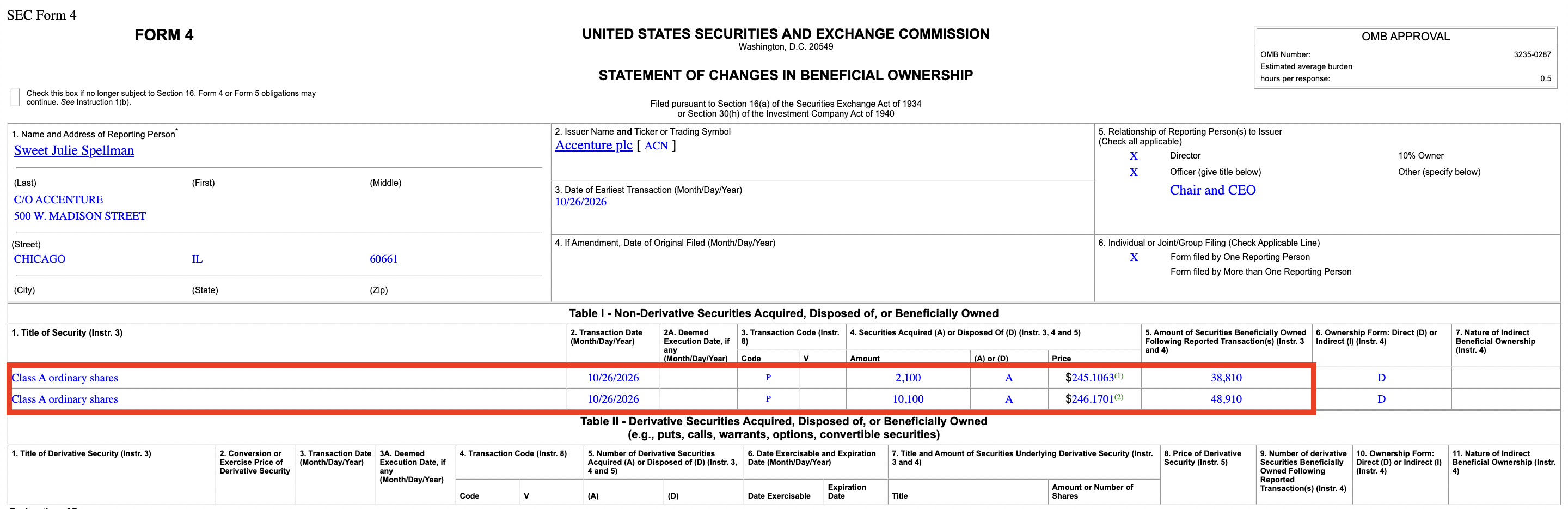
1. Accenture (ACN) - Julie Spellman (CEO) bought over $3,000,000 of ACN at an average price of $245.99/share on October 26, 2026, but it wasn't reported to the public until October 28, 2026. (Source)
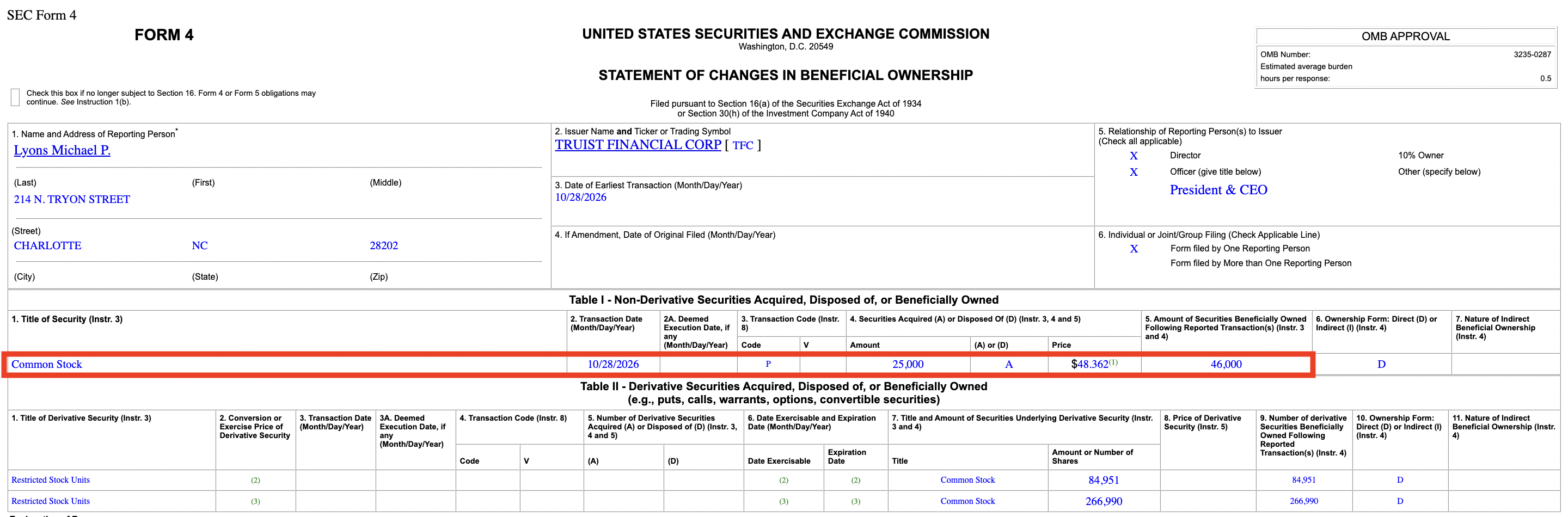
2. Truist Financial (TFC) - Michael Lyons (CEO) bought roughly $1,200,000 worth of TFC at an average price of $48.36/share on October 28, 2026, but it wasn't reported to the public until October 29, 2026. (Source)
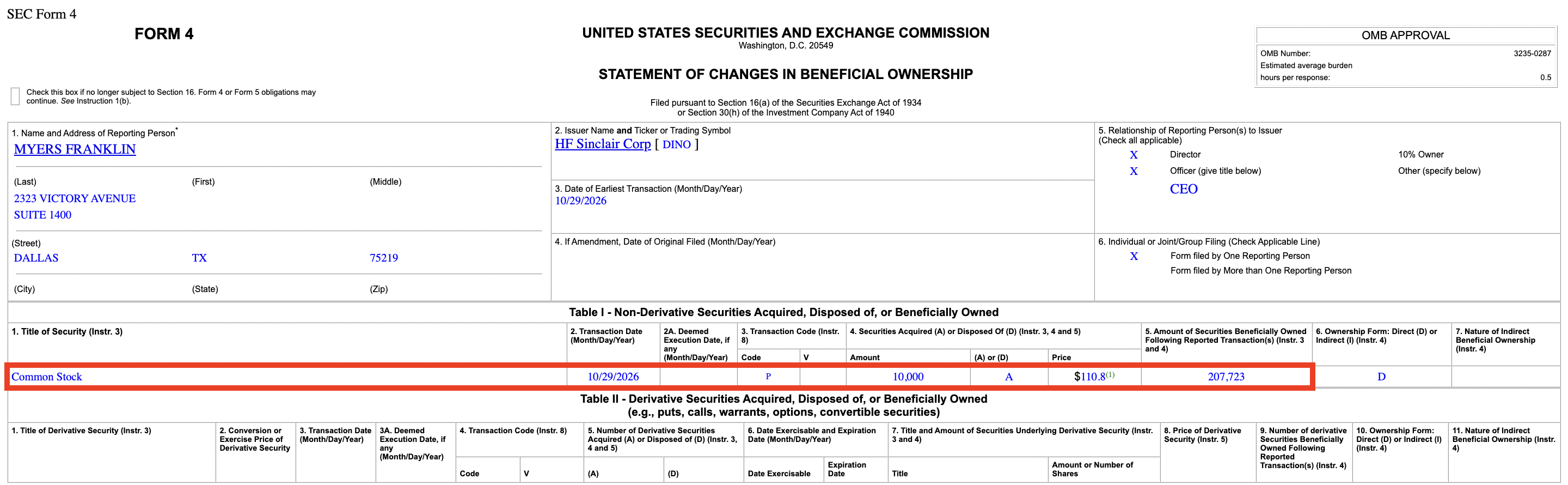
3. HF Sinclair (DINO) - Franklin Myers (CEO) bought over $1,100,000 of DINO at an average price of $110.80/share on October 29, 2026, and it was reported to the public later that same day. (Source)
Over 2,000 people have already signed up for my FREE Masterclass video on how to unlock my exact strategies for finding winning stock/options trades! I'll share everything including how to find what Politicians and CEOs are buying. Don’t miss your chance to get in for FREE before spots fill up!

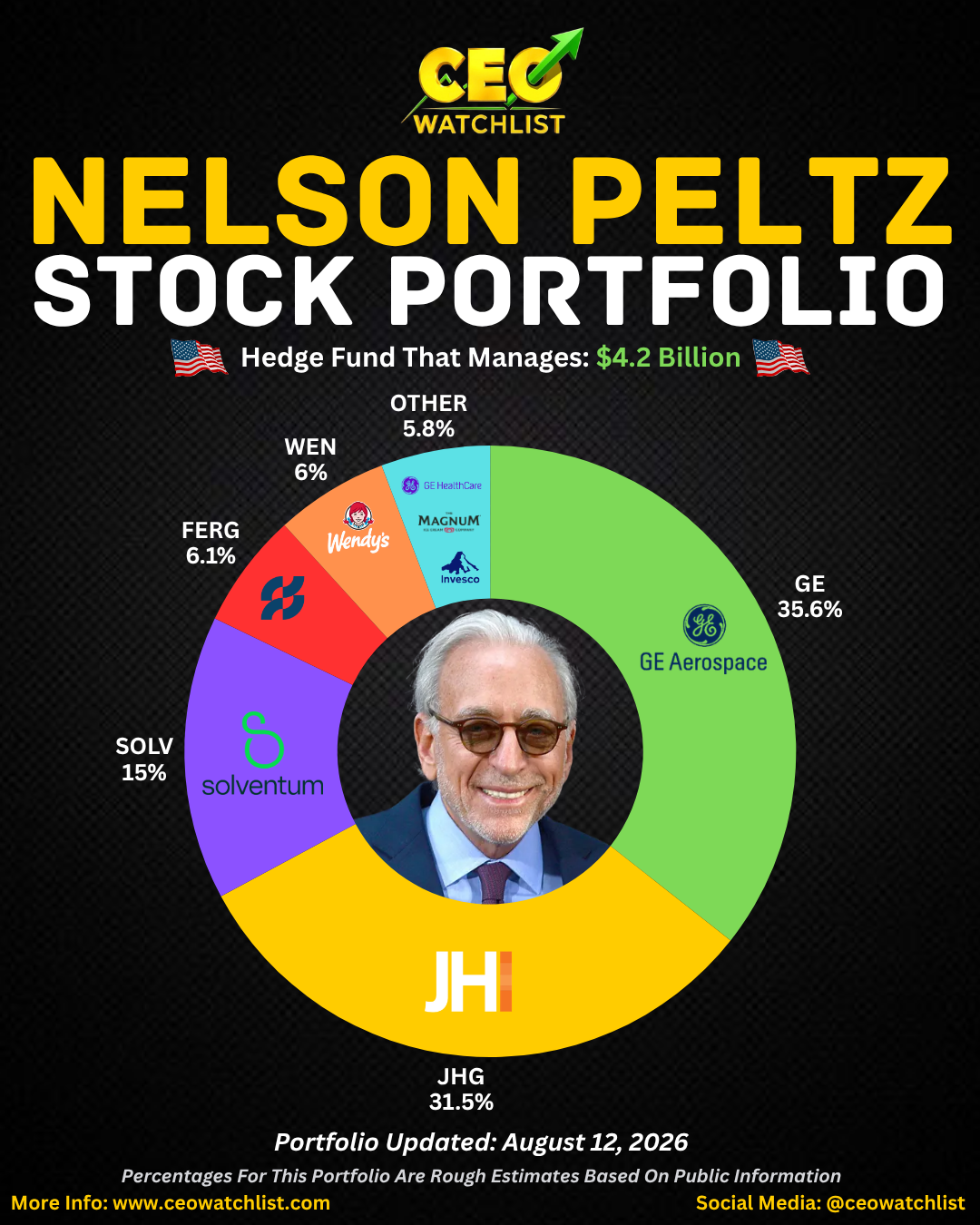
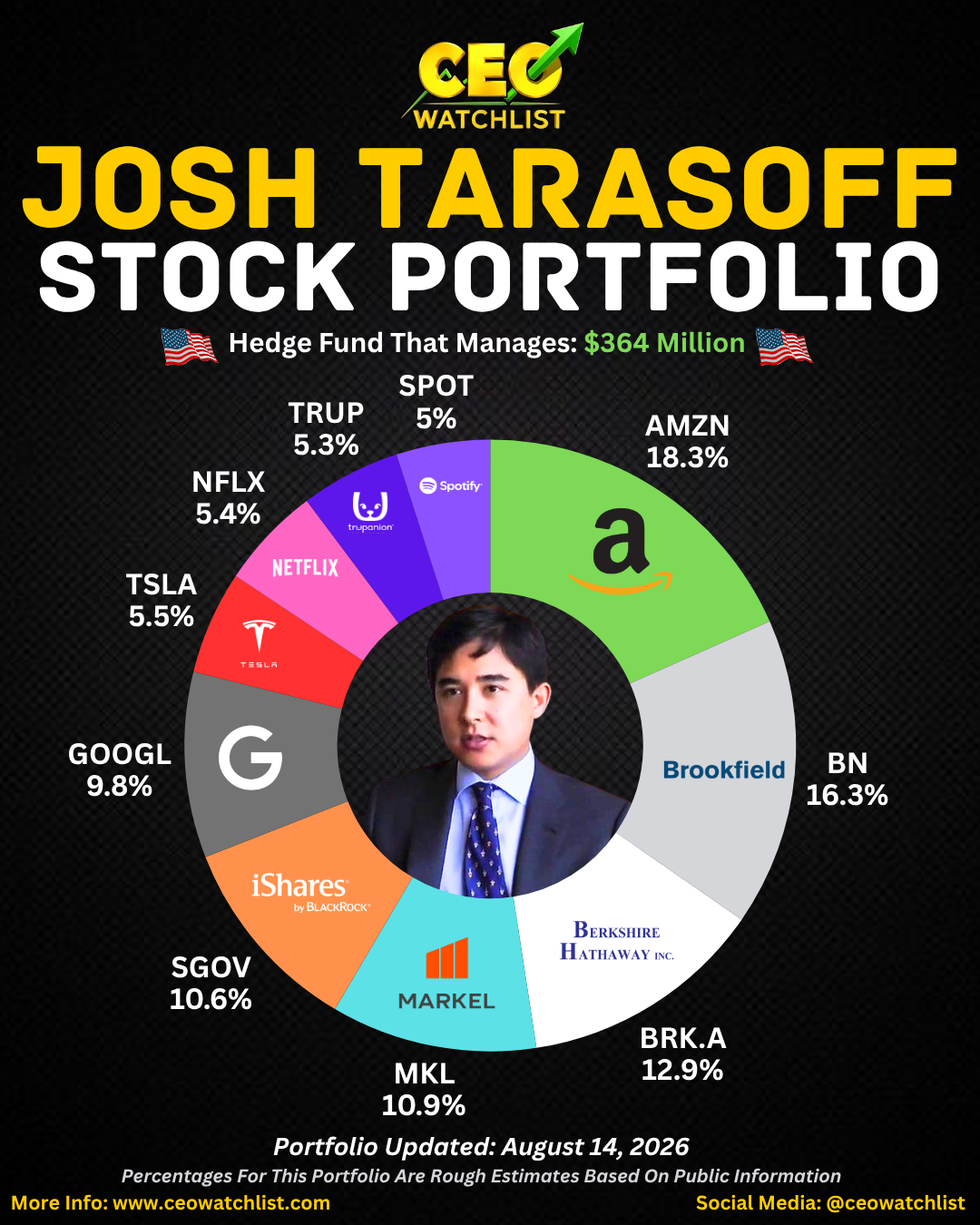
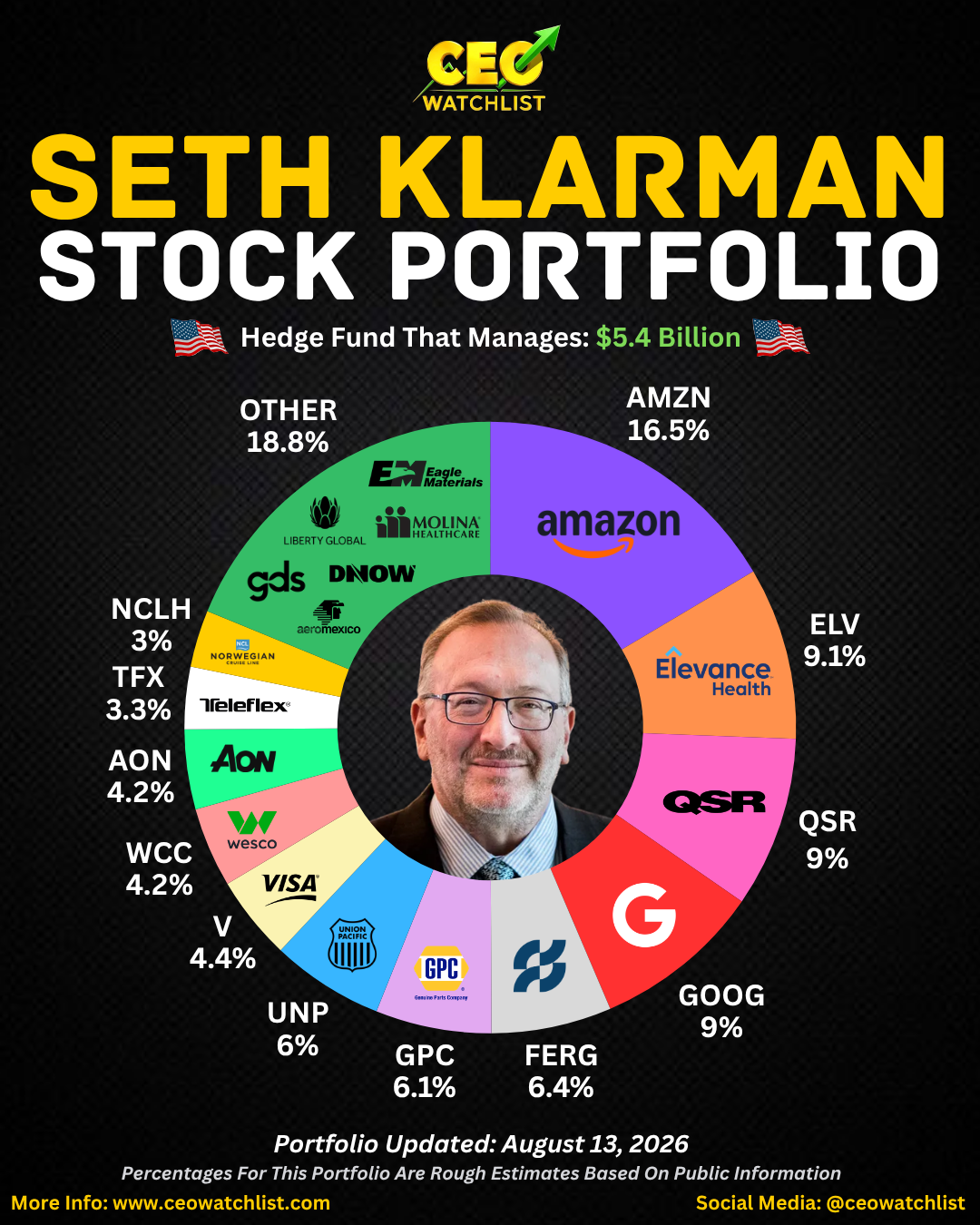
INFOGRAPHICS FOR THE WEEK:
CONTACT US: [email protected]
Responses